.svg)
Biomedical Equipment Technician
Also posted as Biomedical Equipment Technician II; Sr Biomedical Equipment Technician; Technician II
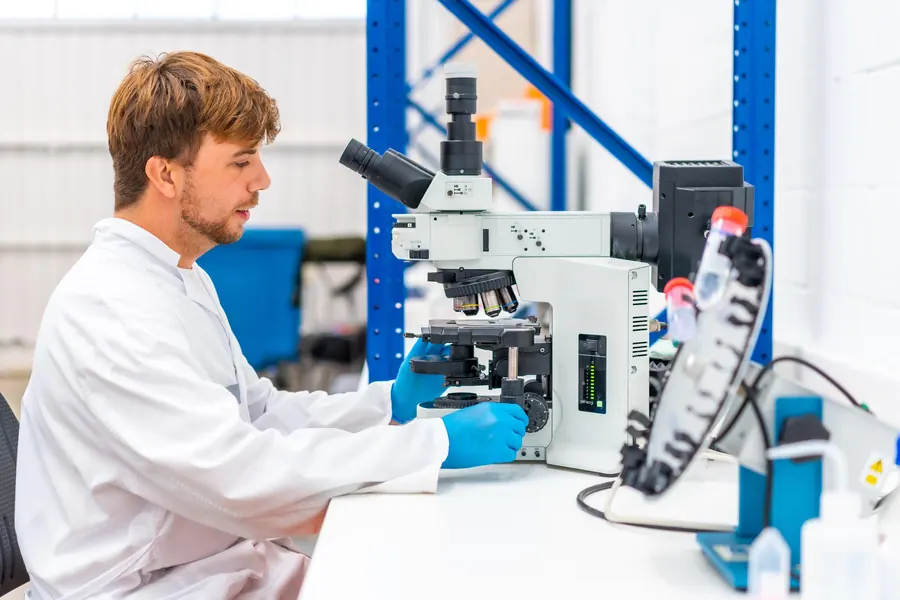
A biomedical equipment technician inspects, maintains, and repairs the medical devices hospitals depend on, from infusion pumps to imaging support equipment, keeping them safe, accurate, and compliant. It's a hands-on job in hospitals and healthcare facilities, and many people start with a two-year associate degree or a focused certificate rather than a four-year degree.
Below: what it pays, what you'd do, the skills you need, and how to become one.
The role profile
Everything you need to know about this role, the same details employers use to post openings and colleges use to build training.
How much does it pay?
Explore the core responsibilities of this role, from daily operations and equipment handling to safety, quality, and performance requirements.
Inspect medical devices
Perform scheduled safety and performance inspections on patient-care equipment.
Repair critical equipment
Diagnose and fix device failures quickly so clinical care is not interrupted.
Calibrate and verify
Test devices against specifications and document that they perform safely.
Manage compliance records
Keep service histories and compliance documentation current for accreditation.
What skills do you need?
Three core skills sit at the heart of this role. You can learn all of them through short, hands-on training.
Electronics
Testing, repairing, and replacing circuit boards, sensors, and electronic assemblies.
Compliance
Working to the codes, standards, and regulations that govern the job.
Troubleshooting
Isolating root causes fast using a systematic, test-driven approach.
Related roles.


Ready to start your
technician journey?
Get matched with training, apprenticeships, and employers tailored to this role.