.svg)
Gas Measurement Technician
Also posted as Natural Gas Measurement Technician; Measurement and Control Technician; Gas Metering and Regulation Technician; Gas Instrumentation Technician; Gas Measurement and Regulation Technician
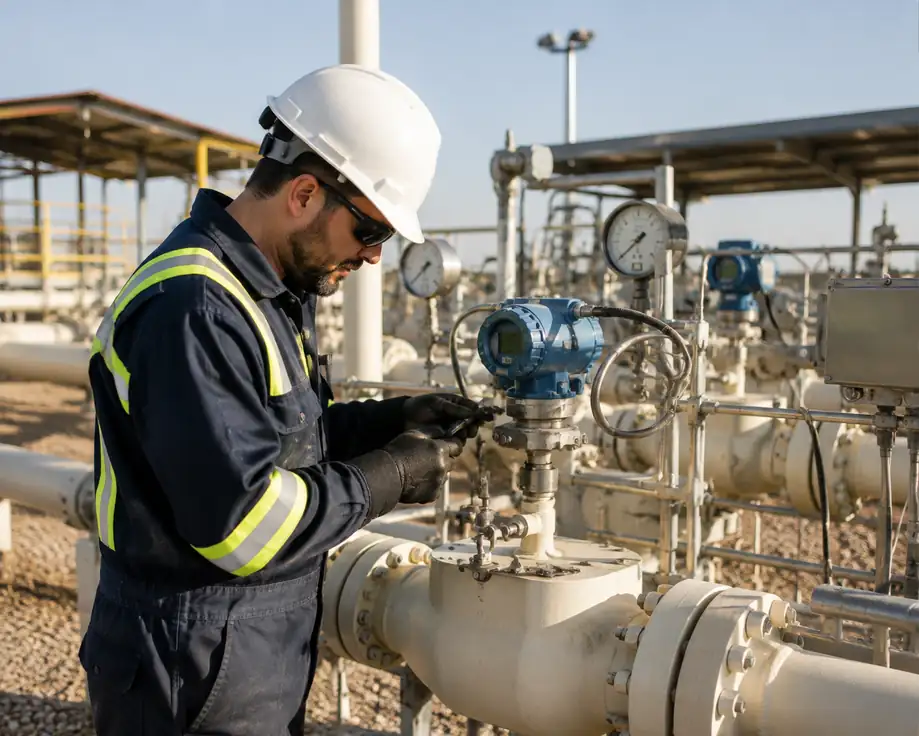
A gas measurement technician installs, calibrates, tests, maintains, and troubleshoots natural gas measurement, pressure regulation, control, telemetry, and station equipment used for accurate flow, pressure, quality, and custody-transfer data. Many people start with a two-year associate degree or a technical certificate rather than a four-year degree.
Below: what it pays, what you'd do, the skills you need, and how to become one.
The role profile
Everything you need to know about this role, the same details employers use to post openings and colleges use to build training.
How much does it pay?
Explore the core responsibilities of this role, from daily operations and equipment handling to safety, quality, and performance requirements.
Calibrate measurement equipment
Install, inspect, calibrate, and maintain meters, regulators, correctors, transmitters, and valves.
Test gas parameters
Test pressure, flow, temperature, differential pressure, gas quality, and communication signals.
Maintain measurement stations
Service commercial, industrial, regulator, gate, city-gate, and measurement stations.
Troubleshoot instrumentation
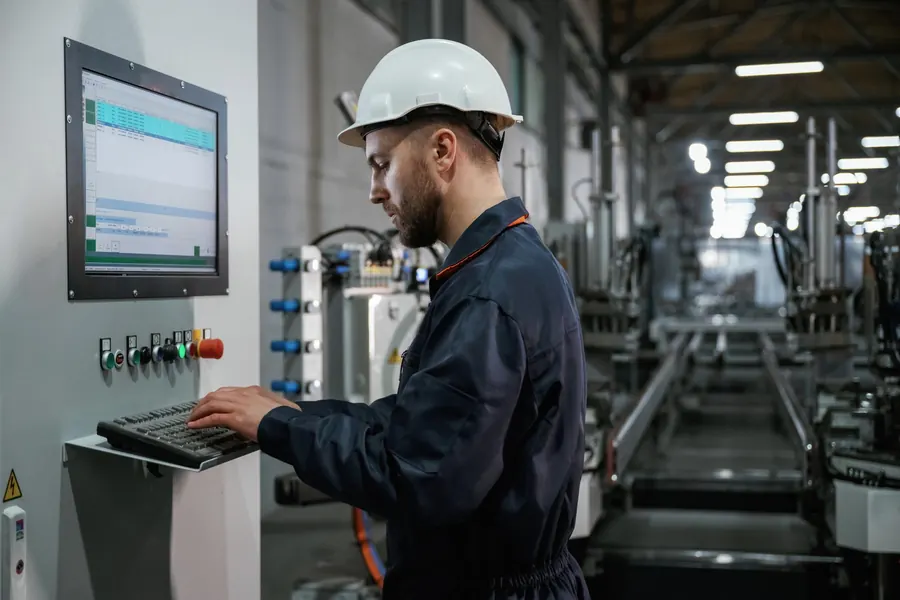
Diagnose pneumatic, mechanical, electrical, electronic, and telemetry problems.
What skills do you need?
Three core skills sit at the heart of this role. You can learn all of them through short, hands-on training.
Flow Measurement
Measuring and calibrating natural gas flow accurately.
Pressure Regulation
Maintaining pressure regulators and control valves.
Correctors & Telemetry
Working with electronic correctors, transmitters, and telemetry.
Related roles.

Ready to start your
technician journey?
Get matched with training, apprenticeships, and employers tailored to this role.