Jobs

Entry-Level Technician Jobs You Can Start Today Without Experience

You don't need years of experience to land entry-level technician jobs. You need the right opportunity and a clear pathway forward.
September 18, 2026
Dashboard mockup

Key Takeaways

  • Fast-track programs take weeks to months, not years: Entry-level technician training can be completed quickly without compromising quality.
  • Apprenticeships let you earn while learning: You'll get paid while developing real skills on the job.
  • Multiple pathways exist for different interests: From HVAC to manufacturing to electrical work, there's a technician career for you.
  • Demand is high and growing: Employers need entry-level technicians in nearly every region.
  • Where to start: Technicians of America helps you understand the landscape. Explore real job postings, wage data, and regional opportunities to see what fits your goals.

You don't need years of experience to land entry-level technician jobs. You need the right opportunity and a clear pathway forward. Thousands of employers are actively hiring entry-level positions right now in manufacturing, HVAC (heating and cooling systems), electrical work, and industrial maintenance. These positions don't require a four-year degree or a decade in the field. Many companies hire you as an apprentice and train you on the job if you show the right mindset and pick up technical knowledge quickly.

The technician economy is reshaping how employers think about hiring. Companies increasingly recognize that skilled people often come from non-traditional backgrounds. If you're a high school graduate, career-changer, or starting your first real job, the technician pathway is open to you. The skills gap is real, and employers are motivated to hire and develop new talent.

Technicians of America is here to show you what these paths look like. We're not a training provider, but we connect you to the right resources. Unmudl offers flexible training programs designed for people starting from scratch who want to launch a technician career.

Entry Pathways: Apprenticeships vs. Training Programs vs. Direct Hire

Not all entry routes look the same. Understanding the differences helps you choose the right path for your situation. Here's how the three main pathways to entry-level technician jobs compare:

Entry Pathways Compared
PathwayDurationStarting WageTraining CostBest For
Apprenticeship2–4 years$25k–$35k/yearTypically free (employer-funded)Learning on the job while earning
Fast-Track Training Program4–12 weeksEntry to $35k–$50k after hiring$2k–$8k (often employer-sponsored)Quick entry to the job market
Direct Hire with On-the-Job TrainingImmediate$30k–$40k/yearFree (employer-funded)Those with basic mechanical aptitude

Each path has distinct advantages. Apprenticeships provide the most structured long-term growth but require patience and commitment over multiple years. Fast-track programs get you job-ready quickly but may require upfront investment or employer sponsorship. Direct hire roles reward existing mechanical knowledge but may require more self-directed learning.

Fast-Track Technician Training Programs

Entry-level maintenance technician roles no longer require a two-year degree. That's the biggest shift in the technician economy right now. Many employers and training providers now offer short-form programs that take weeks or a few months to complete. These aren't watered-down versions of traditional apprenticeships. They're focused, intensive, and built around what employers actually need right now.

Fast-track programs typically cover core technical skills: reading blueprints, understanding mechanical systems, troubleshooting basic electrical circuits, and following safety protocols. Some programs specialize by industry. Manufacturing technician training might focus on CNC machinery (computer-controlled equipment) and production systems, while HVAC programs address heating and cooling systems across residential and commercial applications.

The advantage is faster earnings. Entry-level technician positions pay $35,000 to $50,000 annually, according to the U.S. Bureau of Labor Statistics Occupational Outlook Handbook. Once hired, many employers provide on-the-job training to help you advance. You're building both a paycheck and a resume simultaneously.

Unmudl's accelerated technician programs follow this model exactly. They're built with employers and focus on what matters most. You'll finish in weeks, not semesters, so you can apply for technician jobs faster. The programs emphasize hands-on skills that translate directly to the job market. This is why employers increasingly prefer candidates who've completed focused training over those with vague academic experience.

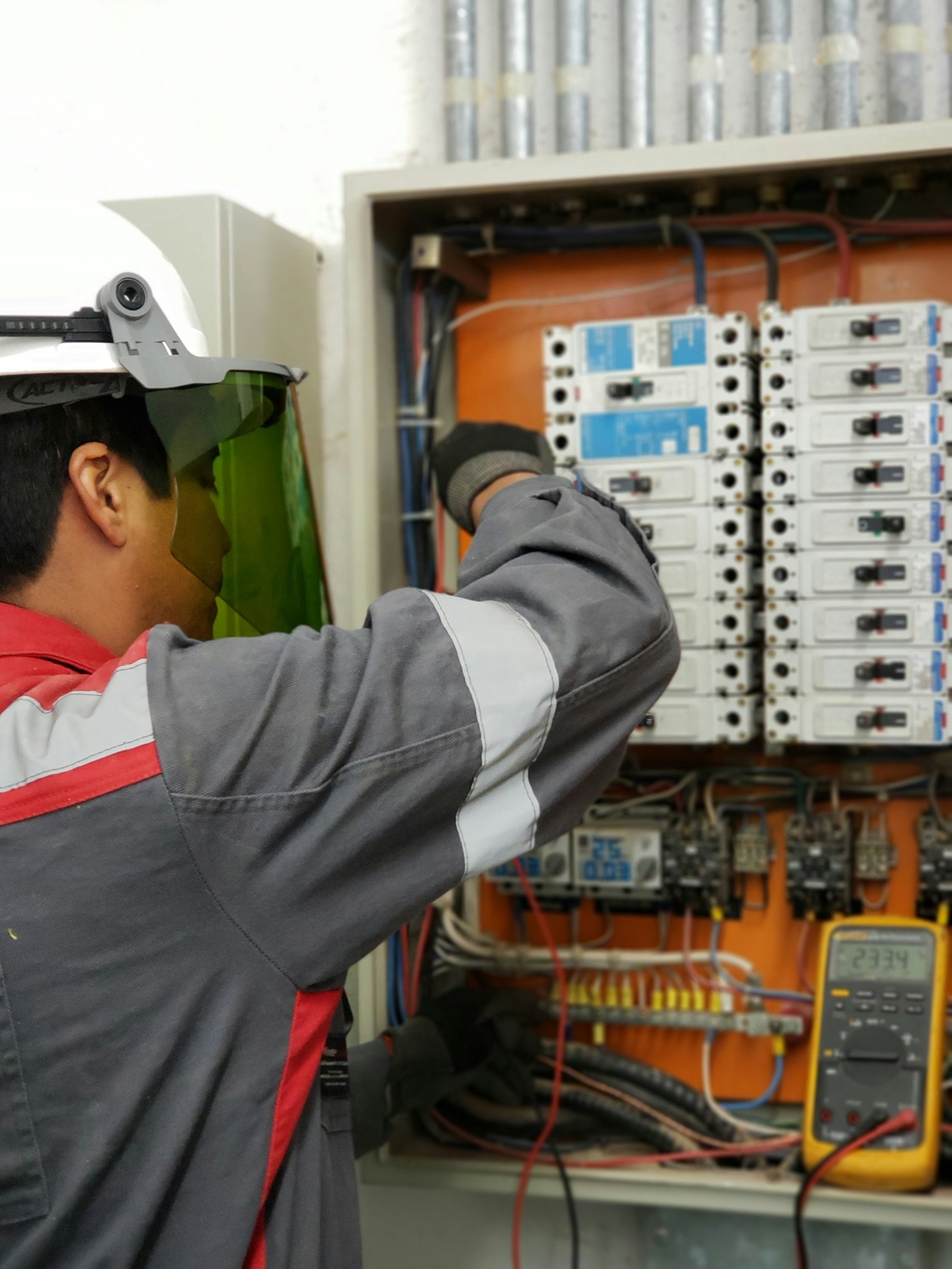
Technician trainee practicing hands-on skills in a workshop
Fast-track programs emphasize hands-on skills that transfer straight to the job.

Technician Apprenticeships: Earn While You Learn

Apprenticeships might be the best-kept secret in the technician job market. This is how many no-experience applicants get their break into stable, well-paying careers.

Technician apprenticeship entry works differently than a typical internship. You're not making coffee or filing paperwork. You're learning a skilled trade on real equipment with real consequences. You earn a wage from day one. As your skills grow, your wages increase. Over two to four years, you progress from beginner to fully trained technician.

Here's how it works: An employer hires you as an apprentice. You work on-site 40-plus hours per week, learning from experienced technicians. Simultaneously, you take technical courses (often evenings or during employer-provided time) that teach you the theory behind the work. Most apprentices start at $25,000 to $35,000 annually and finish earning $50,000 or more. You're building skills, earning money, and gaining industry credentials, with no student debt and no time wasted on irrelevant coursework.

Not all apprenticeships follow the same structure. Some register through the Department of Labor, meaning they follow strict standards and your credential is recognized nationwide. Others are company-specific programs that are equally valuable but tied to that employer. When exploring apprenticeships, ask whether the program's credentials transfer if you change jobs later in your career.

The apprenticeship pathway appeals to high school graduates who want to work immediately and earn while they learn. Apply like you would for regular jobs, but emphasize reliability, willingness to learn, and mechanical aptitude over experience.

Which Technician Jobs Hire Without Experience?

Technician jobs for beginners concentrate in specific sectors. Not all technician roles are equally accessible, but many are if you have training and the right attitude. Here are the biggest opportunities for no-experience technician jobs:

  • Manufacturing and production facilities hire maintenance technicians regularly to keep machines running, perform preventive maintenance, and troubleshoot failures. These roles exist across small shops and large industrial plants.
  • HVAC companies constantly need apprentices and entry-level technicians. Demand is particularly strong because HVAC work can't be outsourced, and when someone's furnace breaks, it needs fixing today. HVAC positions frequently welcome candidates with training but no field experience.
  • Facilities maintenance and building operations bring in entry-level technicians to maintain commercial buildings, schools, and hospitals, working on HVAC, plumbing, electrical, and facility infrastructure.
  • Electrical companies hire apprentices with basic knowledge and strong safety practices to wire new construction and perform maintenance on existing systems.
  • Industrial and automation technician roles in advanced manufacturing can feel intimidating, but entry-level positions exist as companies expand automation. Someone needs to install, maintain, and troubleshoot these systems.
  • Automotive service technicians often start as lube technicians or service assistants before advancing to more complex repair work.
Maintenance technician operating machinery on the factory floor
Manufacturing and industrial maintenance are among the most accessible entry points.

How to Start Your Technician Career Today

You've decided you want to start a technician career. Here's how to do it in three actionable steps:

  1. Get baseline technical training. This is the foundation. Whether it's a four-week fast-track program or a longer apprenticeship, you need structured knowledge before walking onto a job site. Training gives you vocabulary, safety knowledge, and enough hands-on experience to contribute on day one. It also helps you confirm the work appeals to you before committing years to it. Many candidates discover through hands-on training whether they prefer electrical work, HVAC, manufacturing, or facilities maintenance.
  2. Apply strategically. Look for entry-level maintenance positions, apprenticeships, or roles that explicitly say "no experience necessary" or "will train." Emphasize mechanical aptitude, your commitment to safety, and your training. Share stories about times you solved problems or fixed things. Focus your resume on reliability, problem-solving ability, and any relevant certifications or training you've completed. Highlighting training completion shows you're serious and capable of learning on the job.
  3. Interview to win. Technician employers prioritize reliability and attitude over experience. Show up on time, ask smart questions about the training you'll receive, and demonstrate genuine interest in the work. They're not expecting a ten-year veteran. They want someone dependable who'll show up and work hard. Come prepared with questions about career progression, because employers respect candidates who think long-term.

When you're ready to start a technician career through actual skills training, explore Unmudl's training options. You can train part-time while working or full-time to finish fast. You'll graduate with credentials that employers recognize and value.


Ready to explore technician roles, wages, and pathways?

Use Technicians of America to see which roles are most in demand in your region and what wages actually are. Check job boards filtered by entry-level or apprenticeship status to find positions hiring near you.
Explore Your Training Options
Feature imageFeature imageFeature imageFeature imageFeature image

Frequently Asked Questions

Everything you need to know about getting started, what to expect, and where the opportunities are.
  • Absolutely. Entry-level maintenance technician positions don't require four-year degrees, and most working technicians don't have them. You need technical training and hands-on experience, which you can get through apprenticeships, trade schools, short-form programs, or employer-sponsored training. A high school diploma or GED is typically the minimum starting point. Many technicians combine employer training with community college or online certifications to advance. The pathway has become more accessible precisely because employers recognize that formal degrees often don't prepare you for the specific technical skills you'll actually use.
    Most technician careers start with a vocational program, community college certificate, or apprenticeship — not a four-year degree. The path typically involves: (1) choosing a field like HVAC, industrial maintenance, electronics, or healthcare technology; (2) completing a training program (usually 6 months to 2 years); (3) earning any required certifications; and (4) gaining hands-on experience. Use the to explore paths aligned to your interests.Technician Role Library
  • Fast-track training programs take weeks to a few months. Full apprenticeships take two to four years. The key: you can start earning and learning immediately. You don't need to finish a program before getting hired — many employers hire you as an apprentice and provide the training you need. The timeline depends on your chosen pathway and how quickly you want to enter the workforce. Some people complete intensive eight-week programs and land roles within weeks; others prefer the structured approach of multi-year apprenticeships.
  • Apprenticeships combine work and learning over years while you earn a wage that typically increases as your skills grow. Training programs are often short-term, focused on specific technical skills, and completed before employment or employer-sponsored. Some employers fund your training; others prefer training you on the job. Both paths lead to technician careers and recognized credentials. The choice depends on whether you want immediate income (apprenticeship) or faster time to employment (training program).
  • Entry-level technician wages vary by region and specialty. According to the U.S. Bureau of Labor Statistics, most entry-level positions start between $30,000 and $45,000 annually, with HVAC and electrical roles often paying on the higher end. Wages grow quickly as you gain experience and take on higher-responsibility maintenance tasks. After three to five years, many technicians earn $50,000 to $70,000 or more depending on specialization and location.
  • Yes. No-experience technician jobs exist in most regions, with strong growth in manufacturing, HVAC, electrical, and facility maintenance. Check job boards, the BLS Occupational Outlook Handbook for your target specialty, and Technicians of America to see current demand and wages in your area. Regional demand varies, but the national trend shows consistent hiring across skilled trades. Rural, suburban, and urban areas all need technicians for different reasons, so opportunity exists wherever you're located.

Your Path Forward in 2026 and Beyond

The technician economy is strong right now. Employers are hiring, wages are competitive, and the work is essential. No matter where you live, there's likely demand for skilled technicians. The barrier to entry has dropped significantly compared to previous decades. Training is faster. Apprenticeships are accessible. The pathway is clearer than it's ever been.

Starting a technician career doesn't require years of preparation or significant financial investment. Unlike four-year degree programs, entry-level technician jobs offer shorter ramp-up times and immediate earning potential. Whether you choose an apprenticeship, a fast-track training program, or direct hire with on-the-job training, you're looking at a realistic timeline of weeks to months before you're earning and contributing in the field.

The biggest decision you'll face is choosing your specialty. Are you drawn to HVAC, where demand is steady and growing? Manufacturing maintenance, which offers competitive wages and advancement opportunities? Electrical work, which provides strong long-term earning potential? Or facilities maintenance, which exists everywhere and offers stable employment? Each path has different characteristics, but all offer genuine career growth.

If you're genuinely interested in how to start a technician career, your best first step is understanding the landscape. See what technician jobs exist near you. Learn what they pay. Read stories from working technicians about what the job is really like. That's what Technicians of America is here for. We show you the reality of technician careers so you can make a smart decision. The opportunity is there. The question is whether you're ready to take the first step.