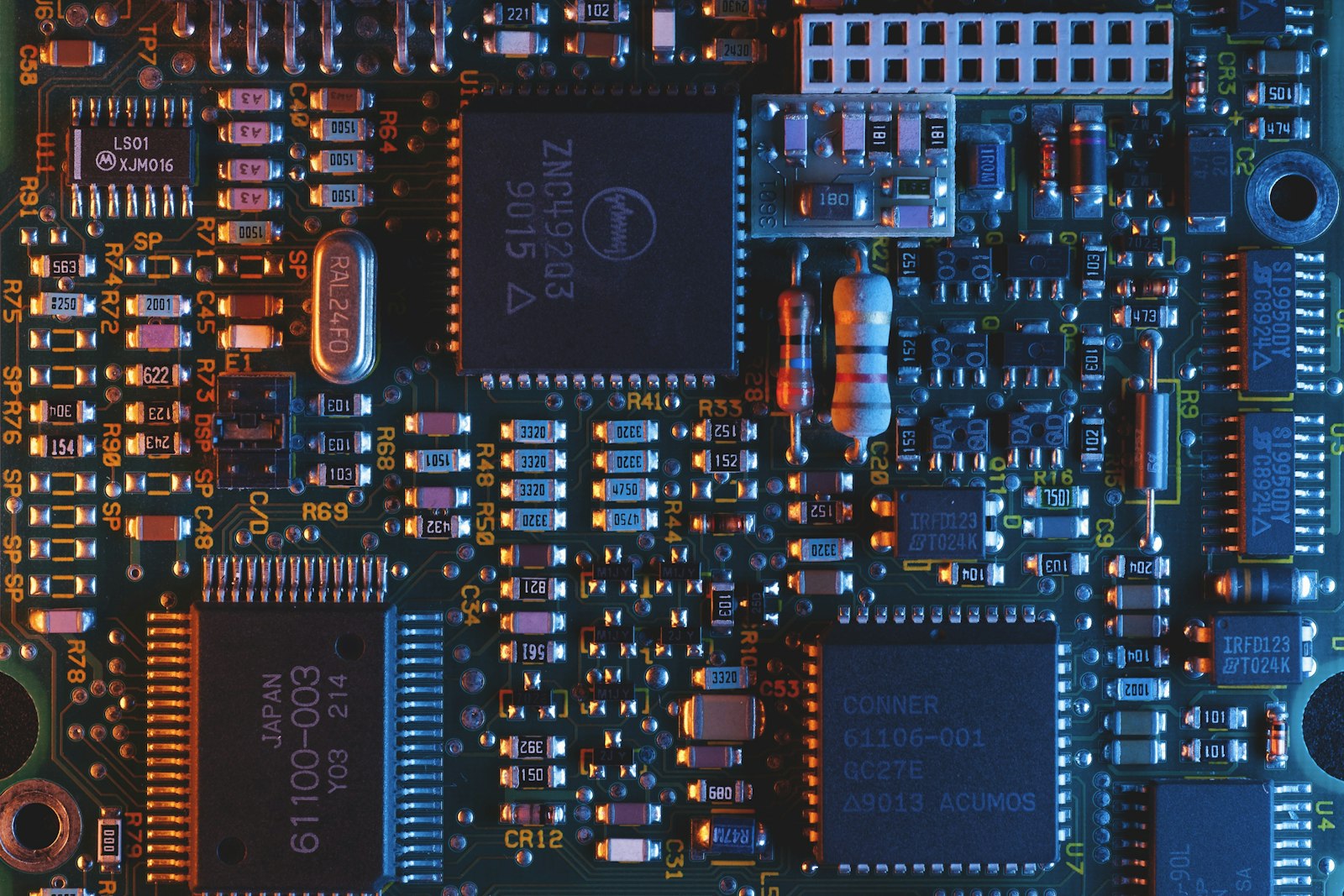


Are you wondering what separates a technician who lands a great job quickly from one who struggles to find work? The difference often comes down to in-demand technician skills that employers actively measure and value, including the specific combination of hard skills, soft skills, and digital competencies that modern facilities prioritize. Not just the technical know-how (though that's crucial), but the blend of hard skills, soft skills, and digital competencies that modern facilities demand. In 2026, the gap between technicians with a focused, well-rounded skill set and those with only baseline capabilities is widening faster than ever. Employers increasingly use structured skill assessments to benchmark technician capability and predict on-the-job performance. They're selective about which skills they prioritize, and they'll pay premium wages for technicians who have them. Understanding what employers actually want and building those skills strategically is your fastest path to a well-paying, secure job. Technicians of America and resources like TPV-Technicians™ help both job seekers and employers understand the skills landscape and what drives technician value.
The hard skills employers want most are the ones that directly impact operational uptime, product quality, and worker safety. Think of technical skills for technicians, like diagnostics and troubleshooting, as your core toolkit, the hands-on competencies that make you genuinely useful on day one.
Diagnostics and troubleshooting rank at the top of every employer's list. Rather than swapping parts until something works (the old reactive approach), employers want technicians who can follow a logical, methodical process to identify root causes. This means asking the right questions, using test equipment correctly (multimeters, pressure gauges, thermal imaging cameras, oscilloscopes), and interpreting results accurately. A technician who can pinpoint a problem saves the company money, reduces costly downtime, and builds credibility with management. This skill comes from hands-on training and dozens of hours of real-world practice troubleshooting actual equipment.
Preventive maintenance is equally critical. Many facilities depend on technicians who know how to follow scheduled maintenance procedures, document work in a CMMS (computerized maintenance management system), and spot equipment degradation before it fails catastrophically. This requires discipline, attention to detail, and the ability to read equipment specifications and understand wear patterns. It's unglamorous work, cleaning filters, checking fluid levels, lubricating bearings, but it's where most of your time goes, and it's what keeps a facility running smoothly.
Safety systems knowledge is non-negotiable in 2026. Lockout/tagout (LOTO) procedures, confined-space entry protocols, electrical safety, and hazard identification aren't optional skills; they're legal and moral requirements. Employers assess your safety knowledge carefully because mistakes cost lives, lead to regulatory fines, and damage company reputation. You'll encounter this in OSHA training and again during equipment-specific onboarding.
Calibration and measurement skills matter more than many technicians realize. Sensors, pressure gauges, and instruments need regular verification to ensure they're reading accurately. If a temperature sensor is off by 5 degrees, your process yields suffer, products fail quality checks, and costs spike. It's precision work that requires patience, careful methodology, and meticulous documentation.
Finally, basic automation and control-system understanding is increasingly expected. Programmable logic controllers (PLCs) and SCADA (supervisory control and data acquisition) systems run modern facilities. You don't need to be a programmer, but you need to understand how they work, read their interfaces, and troubleshoot basic faults. Courses like the Instrumentation and Control Technician: Fundamentals of Control Systems teach exactly this, the fundamental logic without requiring advanced math or coding.
Here's a truth many technicians discover too late: strong hard skills can stall your career if you lack soft skills. Many employers report that technician competencies specifically in soft skills determine advancement: those who lack communication, problem-solving, and teamwork don't progress to lead roles, supervisory positions, or higher-paying specialist roles.
Communication is the biggest differentiator. A technician who can explain a complex equipment issue to a non-technical manager, a customer, or a junior team member in plain language is worth significantly more to employers than someone who only speaks in jargon. You need to write clear, accurate work orders that the next technician can follow without confusion. You need to participate effectively in shift handoffs so critical information transfers correctly. You need to help train newer technicians without making them feel stupid. These communication tasks might comprise 30-40% of your actual job, yet many training programs barely touch them.
Problem-solving goes deeper than pure diagnostics. It's the ability to think creatively, ask clarifying questions, challenge assumptions, and adjust your approach when the first solution doesn't work. Employers value technicians who take intellectual ownership of problems, propose solutions, and don't just wait passively for instructions from a supervisor. Walk a manufacturing floor and you'll see the difference, the technician asking "Why did this fail?" versus the one saying "I don't know, ask my supervisor."
Teamwork and collaboration matter because most technician roles are embedded in a larger operation. You work shifts with the same people, hand off work to the next shift, collaborate with engineers or production managers, and sometimes supervise or mentor junior technicians. Can you keep things professional under pressure? Do you contribute ideas in team meetings? Do you pitch in on tasks outside your strict job description? These behaviors are noticed and rewarded.
Work ethic and reliability are foundational. Showing up on time (not 15 minutes late), being ready to work (not nursing a hangover), and taking initiative without being asked separates technicians who stall from those who advance. Employers keep and promote people who volunteer for extra responsibilities, seek out training opportunities, and demonstrate genuine interest in the facility's success.
Adaptability and learning agility matter more in 2026 than ever. Equipment changes, software gets updated, new safety standards emerge, regulatory requirements shift. Technicians who embrace learning, ask good questions, and adjust quickly thrive. Those who resist, get stuck on outdated methods, or blame "the way we've always done it" find themselves sidelined.
The good news: soft skills are entirely learnable. Many training programs at Unmudl build these alongside technical content through collaborative projects, communication modules, real-world scenarios, and mentoring.
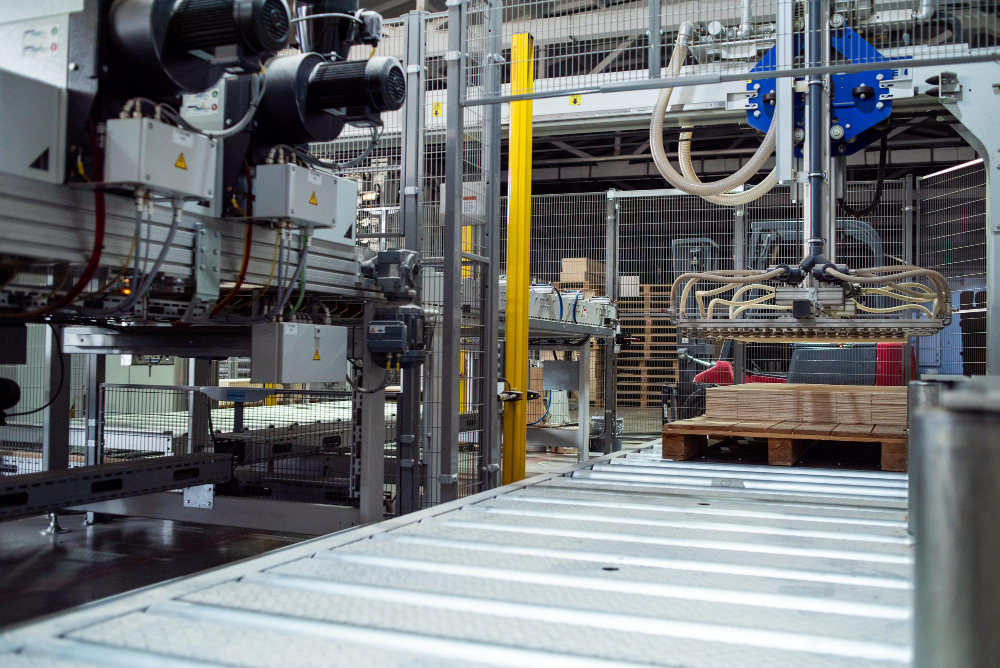

A decade ago, a technician could succeed with purely mechanical and electrical knowledge. Not in 2026. Digital fluency is now as important as your wrench skills.
IoT (Internet of Things) sensors have become ubiquitous in modern facilities. Equipment now generates continuous streams of data: temperature, vibration, pressure, current draw, cycle counts, efficiency metrics. Technicians need to read and interpret dashboards that display this data in real time. They need to recognize when a sensor reading is trending toward failure (even if the equipment still "works"). They need to understand what an alarm means and whether it's critical or informational. This is a fundamental shift from "here's a broken machine, fix it" to "here's a machine starting to fail, predict and prevent it."
Predictive maintenance represents this shift explicitly. Instead of changing parts on a schedule or after failure, you use data to predict when failure will occur and schedule maintenance accordingly. This requires basic data literacy: can you spot trends in a graph? Do you understand what a rising vibration signal indicates about bearing health? Can you read a trend chart and explain it to a supervisor? The Data Analyst Technician training teaches exactly these skills in weeks rather than years.
CAD (computer-aided design) isn't exclusively for engineers anymore. Technicians might use CAD to understand equipment layouts, plan maintenance routes, visualize how components interact, or create simple diagrams for training. At minimum, you need to read and interpret technical schematics and equipment drawings without confusion.
Automation and control logic are now baseline expectations. Understanding how PLC programs work, reading SCADA interfaces, troubleshooting automated systems, and interpreting I/O (input/output) logic is expected across manufacturing, HVAC, food production, and facility management. You don't need to write code, but you need to grasp the logic flow and understand how sensors trigger actions. Foundational courses like Instrumentation and Control Technician: Fundamentals of Instrumentation build this understanding quickly.
Data interpretation extends beyond just reading dashboards. Employers increasingly ask technicians to write brief reports, spot anomalies, and communicate findings. You'll be evaluated on metrics: mean time to repair (MTTR), first-time fix rate, safety incidents per month, equipment availability percentage. Understanding these metrics and how your work affects them is increasingly important.
The challenge: many technicians entered the field before these digital skills were standard. If you're catching up, start with foundational training in SCADA, IoT platforms, and basic data visualization. Your willingness to upskill in these areas can be a major career accelerator and job-security strategy in a competitive labor market.
Certifications aren't required to work as a technician, but they're increasingly expected by employers and valued by customers. They validate your knowledge, accelerate hiring timelines, and often increase wages directly.
Start with OSHA 10 (general industry) or OSHA 30 (advanced). OSHA 10 is a focused, 2-3 day certification covering workplace safety fundamentals: hazard recognition, personal protective equipment, incident prevention, and reporting. It's recognized across all industries and is often expected for entry-level technicians. OSHA 30 goes deeper and is more relevant for supervisors or safety-focused roles.
EPA 608 certification is mandatory if you work with refrigerants in HVAC, commercial cooling, or industrial refrigeration systems. It's not optional in these trades; it's a legal requirement enforced by the EPA. The exam covers different refrigerant classes and recovery procedures. Most people earn it in 1-2 weeks of focused study.
NATE (North American Technician Excellence) certification is the gold standard in HVAC. It demonstrates expertise in air conditioning, heating, and refrigeration systems, and employers prefer NATE-certified technicians. Certification often comes with wage premiums of 10-20% over uncertified peers, according to industry surveys.
NCCER (National Center for Construction Education and Research) offers modular credentials across building systems, maintenance, and utilities. You can earn certifications in specific areas like electrical systems, plumbing, HVAC, or equipment operation. Many construction and manufacturing firms value NCCER credentials.
MSSC CPT (Certified Production Technician) is valuable in manufacturing environments. It covers safety, quality, manufacturing processes, and maintenance fundamentals in one comprehensive exam. Many manufacturers expect or prefer this credential when hiring production technicians.
SMRP (Society for Maintenance & Reliability Professionals) offers the CMRP (Certified Maintenance & Reliability Professional) credential for more advanced technicians. It's oriented toward maintenance management and reliability engineering roles and typically requires several years of hands-on experience.
For those moving into control systems and instrumentation, consider certifications aligned with vendor platforms (Allen-Bradley, Siemens) or pursue foundational courses in instrumentation and control systems. The Instrumentation and Control Technician: Fundamentals of Control Systems course prepares you for further certifications in that specialty.
Don't chase certifications randomly. Research what your target role, employer, and industry value most. Then prioritize accordingly. One highly relevant certification often matters more than three random ones.
You've now reviewed the skills employers want across five dimensions: hard skills, soft skills, digital skills, certifications, and learning mindset. The next critical step is honest self-assessment.
Rate yourself on hard skills using a simple scale: novice, intermediate, or proficient. Can you diagnose equipment problems using a methodical process? Operate common test equipment accurately? Follow preventive maintenance schedules and document them properly? Troubleshoot a PLC or SCADA system? If you answer "novice" or "I can't" to more than one question, you've found the skills gap technicians should address next.
Assess soft skills next, and be truthful with yourself. Do you communicate well under pressure? Can you explain a technical issue to a non-technical person without frustration? Do you document your work clearly so others can follow? Do you take initiative or wait for instructions? Do you work well on teams? Do you handle feedback constructively? These gaps often hold people back more than technical ones.
Evaluate your digital and data skills with the same honesty. Can you read a PLC interface and understand the logic? Interpret IoT sensor data or a maintenance trend chart? Create a simple report with graphs? Write basic SQL or use a spreadsheet meaningfully? If not, this is where many technicians fall behind in 2026.
Consider your certifications objectively. Do you have OSHA 10? Do you have credentials specific to your trade (EPA 608, NATE, MSSC CPT)? Are there industry-standard certifications your target employer specifically wants?
Once you've identified gaps, prioritize ruthlessly. Which skills will have the biggest impact on your next job or advancement? Which certifications does your target employer actually want (check their job postings)? Which gaps are most glaring compared to competitors for the same role? Start there.
Training options vary widely. Community colleges offer comprehensive multi-semester programs. Unmudl specializes in short-format, employer-designed courses that target specific skills and certifications. Many are tied to major employers like Amazon and Intel. You can earn meaningful credentials and build real skills in weeks, not years. Look for training that includes both technical content and soft-skill modules.
Keep a running portfolio of what you've learned: certifications earned, courses completed, projects you've led or contributed to, equipment you've mastered. When you apply for jobs, you can point to concrete evidence of your skills and continuous learning commitment.





The technician field moves fast. Equipment evolves, standards shift, and employer expectations climb year after year. The technicians who thrive aren't the ones who learned a skill set and stayed still. They're the ones who committed to continuous learning, closed skill gaps strategically, and stayed curious about new tools and methods. Start by honestly assessing where you stand today. Then pick one skill gap and close it. Then the next one. Every skill you add increases your value, your job security, and your earning power. That's not just career advice, that's measurable economic reality in the Technician Economy.
What are the most important skills for a technician? The most important skills include problem-solving, attention to detail, and technical knowledge specific to your field. You also need patience, communication abilities to explain issues to non-technical people, and a willingness to keep learning. Hand-eye coordination and manual dexterity matter too, depending on your specialty. The best technicians combine practical expertise with strong customer service.
Do technicians need a college degree? Not necessarily. Many technician positions value hands-on experience and certifications over a degree. Trade schools and apprenticeships often provide better preparation than traditional college. That said, some advanced technical roles may require formal education. The key is demonstrating competence through practical skills, certifications relevant to your field, and a solid work history.
What tools should every technician have? Every technician needs a basic toolkit with screwdrivers, pliers, wrenches, and a multimeter or testing device appropriate for your field. Safety gear like gloves and eye protection is essential. Beyond that, specialty tools depend on your trade, HVAC techs need different equipment than electricians or computer technicians. Invest quality tools gradually as you advance in your career.
How can I improve my troubleshooting skills? Practice methodically. Start by understanding how systems work, then learn to diagnose problems by testing components and ruling out causes. Keep detailed notes of issues and solutions you encounter. Read technical documentation, ask experienced technicians for advice, and embrace mistakes as learning opportunities. The more you troubleshoot, the faster you'll recognize patterns and common problems.