


It's 5:45 a.m. on a Tuesday at a mid-size automotive parts plant. Marcus walks the shop floor with coffee, checking bearings and hydraulic lines before shift starts. He's done maintenance work for eight years. But a job posting in the break room is making him wonder. The company is hiring CNC operators and predictive maintenance technicians. The pay is higher. The work is more stable. The problem: he needs a certification he doesn't have, and stepping out of work for two years isn't realistic.
That dilemma faces hundreds of thousands of working adults in 2026. Technical careers are opening faster than people can fill them, but not all trade paths take the same time. Some certifications wrap in months. Others stretch two years or more. For someone already working, the difference between 6 and 24 months is the difference between possible and impossible. This guide maps the fastest trades to learn, shows real timelines, and connects you with training designed for people who can't wait.
Speed in technical training means more than clock hours. A 6-month welding bootcamp and a 12-month electrical apprenticeship might both certify you, but they run on different timelines. The secret is sequencing: do you train first and work later, or train while working?
Quick certification trades share three traits. First, they have clear, modular certifications. You don't need knowledge across five unrelated domains. HVAC technicians need EPA 608 certification (federal requirement for refrigerant handling) plus hands-on cooling and heating skills. Welders need specific rod and joint qualifications. Maintenance technicians need CMMS exposure (computerized maintenance management system) and basic electrical knowledge. Second, they exist in sectors where demand far exceeds supply. Schools and employers move quickly to certify people when waiting lists grow. Third, they accept working adults. A program built for 18-year-olds living in dorms won't serve someone with a job. The fastest programs run nights, weekends, or staggered modules so you keep earning while learning.
Accelerated trade training compresses timelines by targeting exact certifications, not padding hours. You're not taking general education on top of technical content. You're learning what the job needs, period. Raw calendar speed matters, but completion rate matters more. A 12-month program where 70 percent of working adults drop out is slower than a 6-month program with 90 percent completion. From tracking training outcomes across accelerated programs, the pattern is unmistakable: the fastest trades are the ones people actually finish.
If you need the shortest trade programs and must keep your paycheck, these three trades move fastest. Timelines assume you're in a full-time accelerated bootcamp or apprenticeship model.
Welding
Welders are hired on what they can weld, not just credentials. A tight 6-month bootcamp gets you competent on SMAW (stick), GMAW (wire), and FCAW (flux-core) techniques. You'll practice on plate, pipe, and structural steel until hand speed and bead consistency meet shop standards. Employers care about hands-on ability, so bootcamps drill technique relentlessly. Income jumps fast: entry stick welders earn $35k to $42k out of bootcamp, climbing to $50k plus as you master pipe and specialized positions.
Entry point: High school diploma or GED, clean background, no prior experience needed.

HVAC
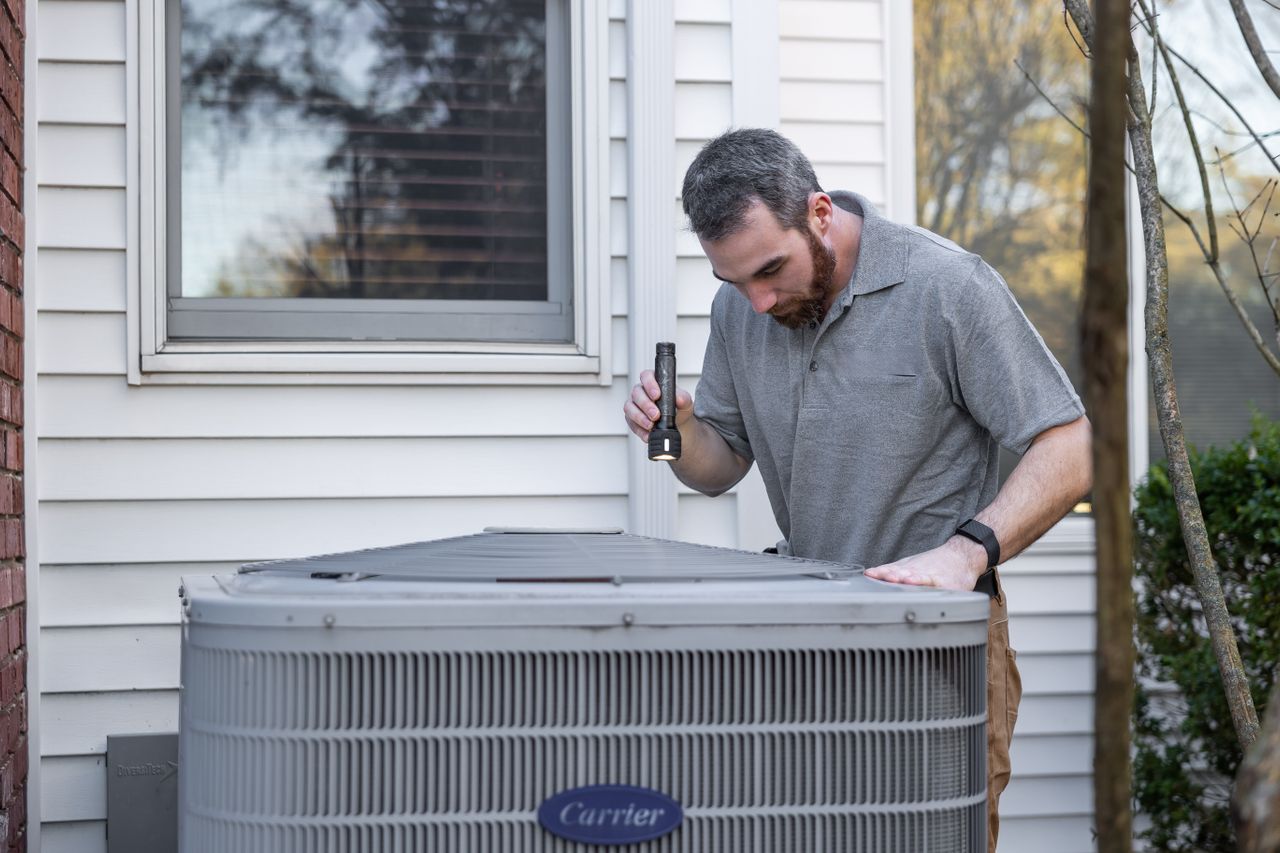
HVAC requires EPA 608 certification (federal regulation for refrigerant handling) plus hands-on cooling, heating, and ventilation knowledge. A solid bootcamp takes 6 to 9 months. You'll learn pressure diagnosis, compressor repair, ductwork, electrical controls, and troubleshooting procedures. The sector is desperate for people right now, so many bootcamps guarantee job placement or paid interviews. Check current wages and regional demand through Technicians of America.
Earnings: $40k to $52k entry level, often with rapid moves to $65k plus as you specialize in commercial systems or advanced diagnostics.
Entry point: High school diploma, valid driver's license (field service required), ability to pass a background check.
Electrical (Residential/Light Commercial)
Trade schools that take 6 months deliver basic residential electrical bootcamps or apprenticeships. You'll master National Electrical Code (NEC) fundamentals, grounding, load calculation, safe termination, and practical wiring installation. You won't be a master electrician yet, but you'll be entry-ready for crew positions and helper roles on job sites.
Earnings: $38k to $48k entry, scaling to $70k plus with journey-level card and specialty work (solar, industrial controls, data centers).
Entry point: Diploma, no electrical background required. Some programs require state apprenticeship registration; others supply it as part of enrollment.

Registered apprenticeships provide trade certifications for working adults through a proven speed route. Unlike bootcamps (classroom-compressed), apprenticeships represent the fastest way to learn a trade while maintaining steady income, stacking training on top of live work. You earn from day one, so there's zero income cliff. That matters hugely for people with dependents or no savings, which is most working adults.
A registered HVAC or electrical apprenticeship might run 4,000 hours over 2 to 3 years. But since you're paid from day one, the financial burden disappears entirely. You're swapping your old job for a higher-wage apprenticeship that includes structured training and mentorship. Many apprenticeships let you accelerate by taking college coursework nights and weekends, compressing the timeline to 18 to 24 months.
Apprenticeship flips the speed equation from "shortest calendar time" to "fastest payoff." Yes, a 6-month bootcamp finishes sooner on paper. But if you're broke those six months, you've hit a wall. An apprenticeship keeps cash flowing. Many trade unions and large employers (HVAC companies, electrical contractors, solar installers, manufacturers) run strong apprenticeship programs. They have incentive to move people fast because they're chronically short-handed. A union HVAC apprenticeship in a major metro might induct you, provide tools, and send you into the field within weeks. You attend classroom one evening per week or one week per quarter.
Check your state's apprenticeship database or regional employer coalitions through Manufacturing America. Call local union halls to ask about their schedule and completion rates. One caution: apprenticeship quality varies widely. Some run tight; others have weak classroom instruction. Ask about completion rates, actual classroom hours per year, and job placement results before you commit.
1-year trade certification programs offer the ideal balance for trades requiring deeper knowledge and specialized certifications, providing enough depth to handle specialty work without the drag of a traditional 2-year degree.
CNC Machining
CNC setup, programming, and operation require real depth. A tight 12-month bootcamp teaches G-code, CAD basics, machine diagnostics, setup procedures, and hands-on lab time on multi-axis equipment. You'll spend 600 to 800 hours in the lab mastering offsets, tool compensation, and speed optimization.
Earnings: Start around $45k, climbing to $70k plus as you master multi-axis programming and complex setups in aerospace or medical manufacturing.
Entry point: High school diploma, basic math skills, ability to visualize 3D geometry. No prior machining experience required.
Industrial Maintenance Technology
Maintenance technicians need electrical basics, hydraulics, pneumatics, mechanical troubleshooting, CMMS familiarity, and often PLC (programmable logic controller) fundamentals. Twelve months of full-time training covers this breadth.
Earnings: $42k to $58k entry, $70k plus with additional certifications like CMRP (Certified Maintenance and Reliability Professional) and ongoing specialization.
Entry point: High school diploma, mechanical aptitude, comfort with electrical basics. Some programs require math placement test; others provide remediation.
Commercial HVAC
If you skip the 6-month bootcamp and go straight to commercial systems, 12 months is realistic. You'll master large commercial units, control systems, energy auditing, advanced diagnostics, and safety protocols. Commercial work pays $10k to $15k per year more than residential because the systems are more complex and the stakes higher.
Earnings: $50k to $65k entry, $75k plus as you specialize in building automation or energy management.
Entry point: High school diploma or GED, valid driver's license, ability to work at heights and in confined spaces.
Three training models, three entirely different time-to-payoff formulas.
| Model | Timeline | Cost | Income During Training | Best For |
|---|---|---|---|---|
| Bootcamp | 6-12 months | $5k, $18k upfront | None | Savings available; zero tolerance for delay |
| Registered Apprenticeship | 18-36 months | $0, $2k (employer-covered) | Full wage from day one | Trade certifications for working adults with dependents; no savings; need income immediately |
| Community College | 18-24 months | $3k, $8k total (lower per-credit) | Varies; some work-study | Long-term career goals; plan to supervise or earn degree later |
Bootcamp (6-12 months) Intensive classroom and hands-on lab, often nights or weekends. You pay tuition upfront ($5k to $15k), complete training, then start working. Fastest calendar time. Many include job placement help or employer introductions. Best for people with savings or access to credit, zero tolerance for delay, no dependents relying on their paycheck tomorrow.
Registered Apprenticeship (18-36 months) Employer-sponsored, paid from day one. You earn while you learn. Classroom happens nights, weekends, or one week per quarter. Includes structured mentorship and union protections (if union-backed). Best for people with dependents, zero savings, need income immediately, comfortable with structured schedules and long-term commitment.
Community College Associate (18-24 months, part-time or full-time) Broader education, credits transfer if you later want a bachelor's degree, cheaper per credit than bootcamp, access to federal financial aid. Classroom-heavy (less hands-on than apprenticeships). Most valuable if you plan to stay in the field long-term or climb into supervisory or management roles where a degree opens doors.
Fastest absolute calendar timeline: bootcamp. Best financial timeline (zero income loss): apprenticeship. Most flexible long-term options: community college, if your schedule allows.
| Trade | Calendar Timeline | Entry Cost | Entry Salary | Why It's Fast |
|---|---|---|---|---|
| Welding (bootcamp) | 6-9 months | $8k, $12k | $35k, $42k | High hands-on ratio, clear quality standards, extreme demand |
| HVAC (bootcamp) | 6-9 months | $10k, $15k | $40k, $52k | Modular EPA 608 certification, recruiting pressure, fast-track availability |
| Electrical residential (bootcamp) | 6-12 months | $10k, $14k | $38k, $48k | Entry-level NEC knowledge sufficient, apprenticeship alternative available |
| CNC (bootcamp) | 10-12 months | $12k, $18k | $45k, $55k | Moderate; requires lab simulation time, steady demand, lower churn |
| Industrial Maintenance | 12 months | $12k, $18k | $42k, $58k | Moderate; broad skill set required, steeper earnings ramp after year one |
| HVAC commercial (bootcamp) | 12-14 months | $14k, $20k | $50k, $65k | Deeper system knowledge, much higher earning floor, less bootcamp supply |





The 6-month-to-certified timeline isn't a shortcut anymore. It's the baseline. Demand has outpaced training capacity so aggressively that schools and employers have stripped away filler and built programs tight. If you're serious about moving fast, apprenticeships keep you earning and credentialed. If you have savings and need pure speed, bootcamps deliver. Start exploring accelerated pathways today.