.svg)
Heavy Equipment Technician
Also posted as Heavy Equipment Technician II; Sr Heavy Equipment Technician; Technician II
A heavy equipment technician diagnoses, maintains, and repairs heavy equipment and diesel-powered fleets, working across engines, hydraulics, and electrical systems that keep machines earning. It's a hands-on job in shops and in the field, and most people start with a certificate or short, hands-on training program, not a four-year degree.
Below: what it pays, what you'd do, the skills you need, and how to become one.
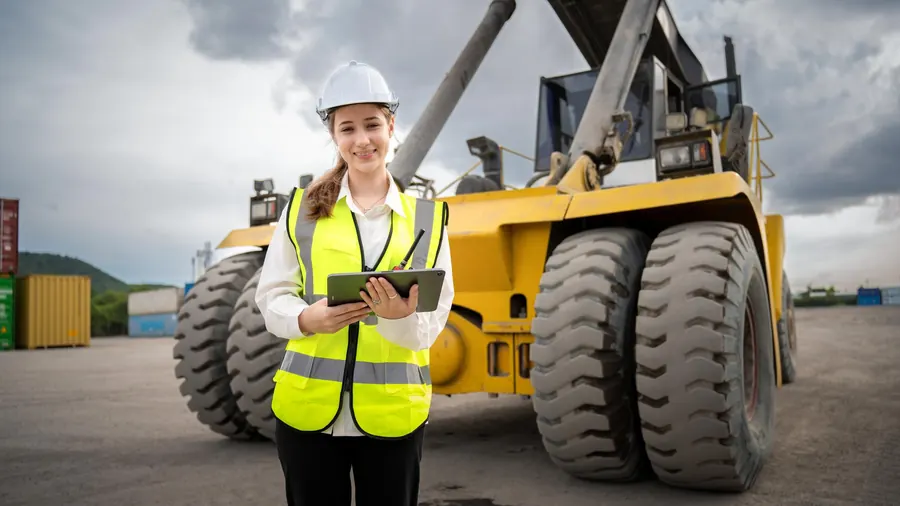
The role profile
Everything you need to know about this role, the same details employers use to post openings and colleges use to build training.
How much does it pay?
Explore the core responsibilities of this role, from daily operations and equipment handling to safety, quality, and performance requirements.
Diagnose with precision
Use scan tools and tests to find faults in engines and systems fast.
Repair major systems
Service engines, hydraulics, drivetrains, and electrical systems.
Run preventive maintenance
Keep fleets inspected and serviced so machines stay on the job.
Document and order
Record work and manage parts so repairs finish on time.
What skills do you need?
Three core skills sit at the heart of this role. You can learn all of them through short, hands-on training.
Mechanical
Maintaining and repairing mechanical drives, bearings, and moving assemblies.
Equipment Controls
Working with the onboard controls and electronics that run modern equipment.
Troubleshooting
Isolating root causes fast using a systematic, test-driven approach.
Related roles.

.webp)
.webp)
Ready to start your
technician journey?
Get matched with training, apprenticeships, and employers tailored to this role.