
Weather Systems Technician
Also posted as Aviation Weather Systems Technician; ASOS/AWOS Technician; Meteorological Equipment Technician
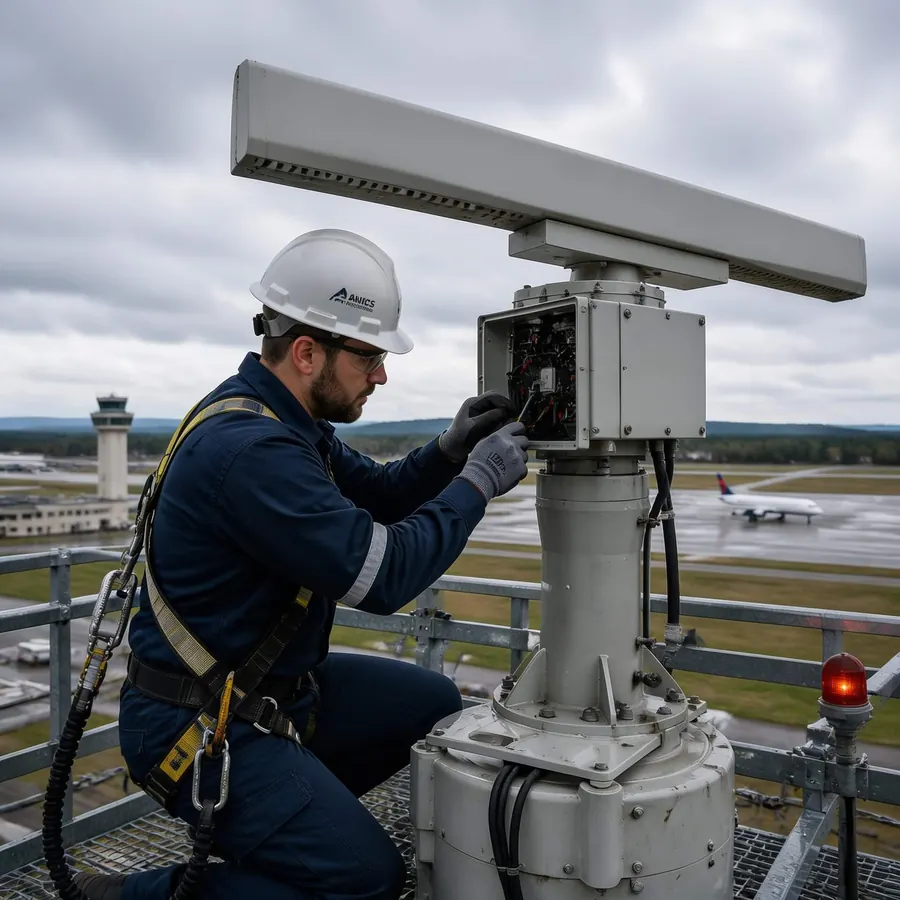
A weather systems technician maintains, calibrates, and troubleshoots aviation weather sensors, electronics, data interfaces, and field equipment. It's hands-on work in airport weather stations, field sites, air traffic support facilities, and electronics maintenance teams, where technical instructions, safety procedures, troubleshooting, and accurate documentation all matter.
Below: what it pays, what you'd do, the skills you need, and how to become one.
The role profile
Everything you need to know about this role, the same details employers use to post openings and colleges use to build training.
How much does it pay?
Explore the core responsibilities of this role, from daily operations and equipment handling to safety, quality, and performance requirements.
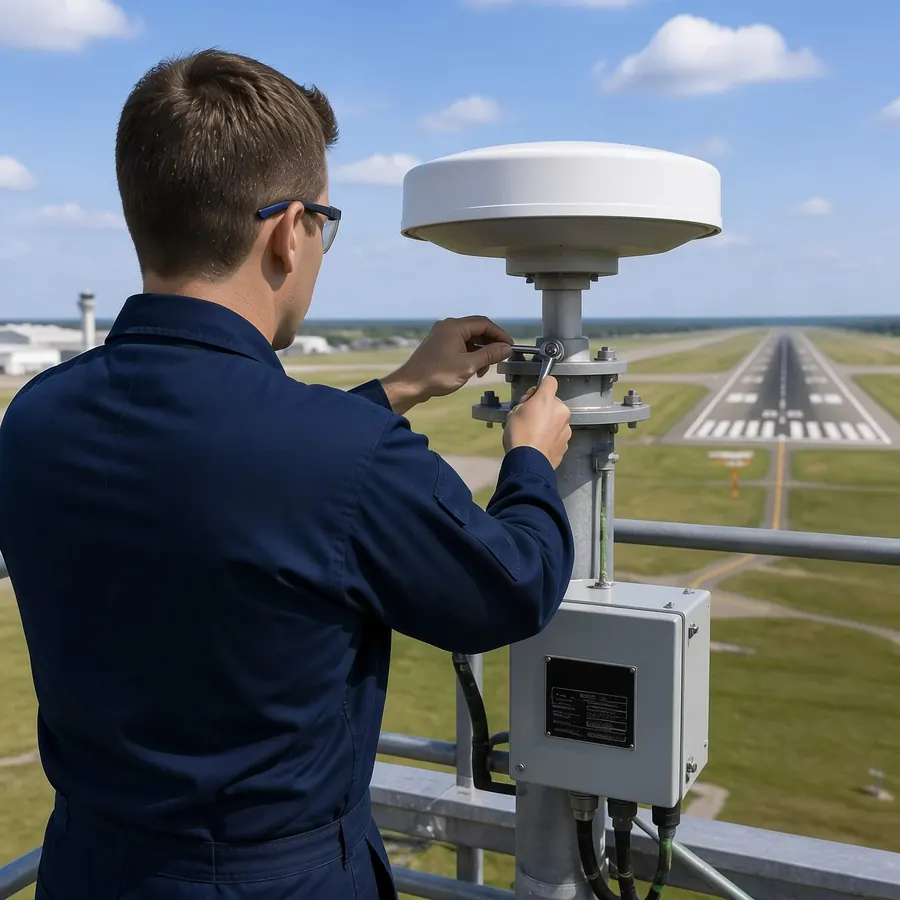
Inspect weather sensors
Check wind, visibility, temperature, pressure, precipitation, and related sensors for condition and performance.
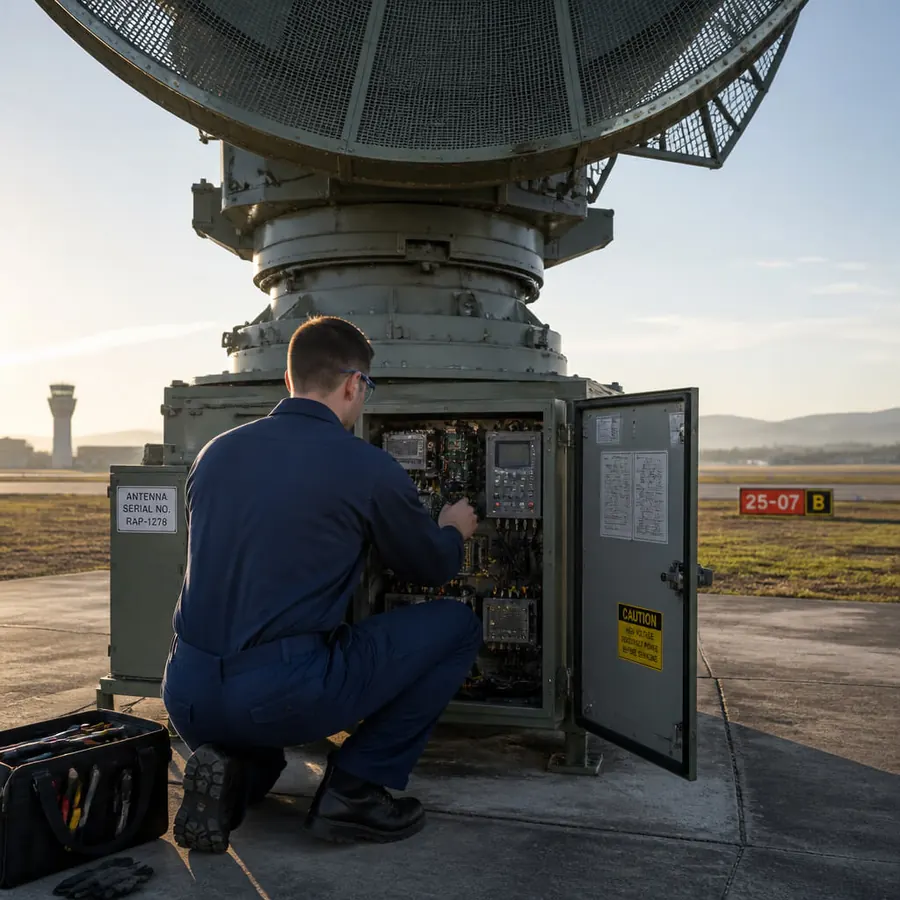
Calibrate measurement equipment
Perform calibration checks and functional tests so weather readings remain reliable.
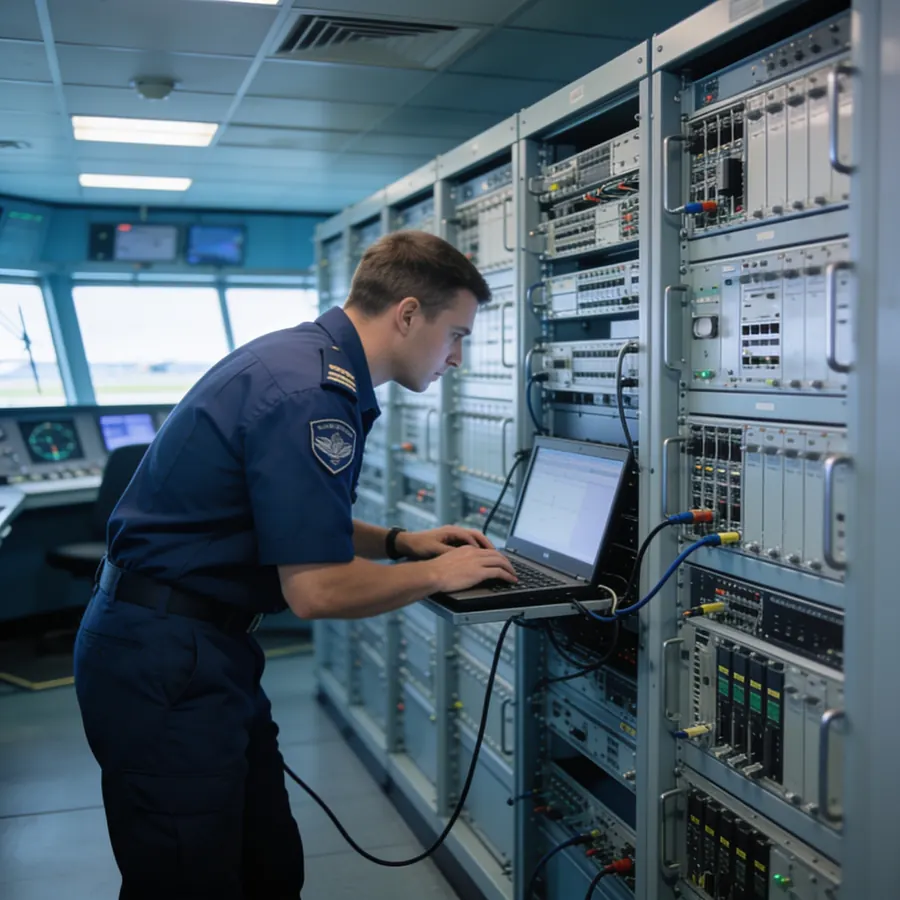
Troubleshoot data interfaces
Diagnose sensor, electronics, RF, power, communication, or data-feed issues.
Record field maintenance
Document calibrations, repairs, inspections, readings, and equipment status.
What skills do you need?
Three core skills sit at the heart of this role. You can learn all of them through short, hands-on training.
Weather Sensor Maintenance
Maintaining aviation weather sensors and field equipment used for operational weather data.
Electronics / Rf Basics
Troubleshooting power, electronics, RF, and signal paths in field weather systems.
Calibration
Verifying readings against standards and adjusting systems to keep measurements accurate.
Related roles.
Ready to start your
technician journey?
Get matched with training, apprenticeships, and employers tailored to this role.