.svg)

.svg)
Nearly 9 in 10 entry-level technician positions don't require a four-year degree. Many employers will train you on the job. You can start a technician career right out of high school, from military service, or while working another job.
Entry-level technician jobs are hands-on positions in manufacturing plants, facilities, utilities, renewable energy projects, and logistics centers that hire high school graduates and career changers with no prior technical experience. These roles provide on-the-job training, starting salaries ranging from $28,000 to $48,000, and clear advancement pathways without requiring a four-year college degree.
Walk a manufacturing floor, a data center, or a renewable energy facility. You'll see technicians in their 20s and 30s earning solid incomes, building job security, and advancing into leadership roles. The technician shortage is real. Equipment breaks down. Systems fail. Facilities need people who can diagnose problems, maintain assets, and keep operations running. That demand is your opportunity.
This guide covers six entry-level technician roles you can start today, typical salary ranges, and the clearest pathways to get hired. Whether you're a high school graduate, a military veteran, or someone looking to switch careers, you'll find a role that fits. Unmudl connects thousands of people to technician training and jobs each year, making it easier to move from interest to income.
Maintenance technicians keep equipment and systems running in manufacturing plants, data centers, hospitals, and commercial buildings. You diagnose problems using tools and meters, perform repairs, replace worn parts, and sometimes operate CMMS (computerized maintenance management systems, software that tracks equipment history and work orders).
What the work looks like: You might replace a conveyor belt motor, repair a hydraulic line, troubleshoot a control circuit, or schedule preventive maintenance before something fails. Most of the job is hands-on: reading blueprints, using wrenches and screwdrivers, climbing ladders, and occasionally crawling into tight spaces. You'll work from your employer's maintenance schedule or respond to urgent breakdowns.
The 2026 outlook: Manufacturing and facilities management are growing fields. BLS data shows steady demand for maintenance technicians, especially in regions with active manufacturing or data centers. Remote work isn't an option, so location and local industry matter.
Starting salary: Typically $30,000 to $42,000 annually, depending on industry and region. Union shops and large manufacturers often pay on the higher end.
Entry requirements: High school diploma or GED. Many employers hire based on attitude and mechanical aptitude, then train on equipment-specific tasks. OSHA 10 safety certification and NCCER (National Center for Construction Education and Research) courses in basic maintenance strengthen your application. The Multi-Craft Technician: Level 1 pathway covers fundamentals.
HVAC (heating, ventilation, and air conditioning) technicians install, maintain, and repair climate control systems in homes, offices, and industrial spaces. It's a trade with strong job security, because buildings always need heating and cooling.
What the work looks like: You'll diagnose system failures using refrigerant gauges and digital meters, replace compressors or expansion valves, charge refrigerant lines, seal leaks, and clean ductwork. Much of the work is diagnostic and hands-on, often in attics, crawl spaces, or rooftops. In summer, HVAC emergencies spike, so busy seasons are predictable.
The 2026 outlook: HVAC demand remains strong. New building codes emphasizing energy efficiency drive demand for skilled technicians. With climate change and more extreme temperatures in many regions, HVAC work stays steady year-round in many markets.
Starting salary: $32,000 to $46,000 annually. Licensed technicians and those with EPA 608 certification (the federal credential required to handle refrigerant) earn more and have better job mobility.
Entry requirements: High school diploma. EPA 608 certification is often required or strongly preferred. Apprenticeship programs (typically 3-5 years) combine classroom training with on-the-job work and lead to a journeyperson license. Many employers hire entry-level applicants without certification and support EPA 608 training.
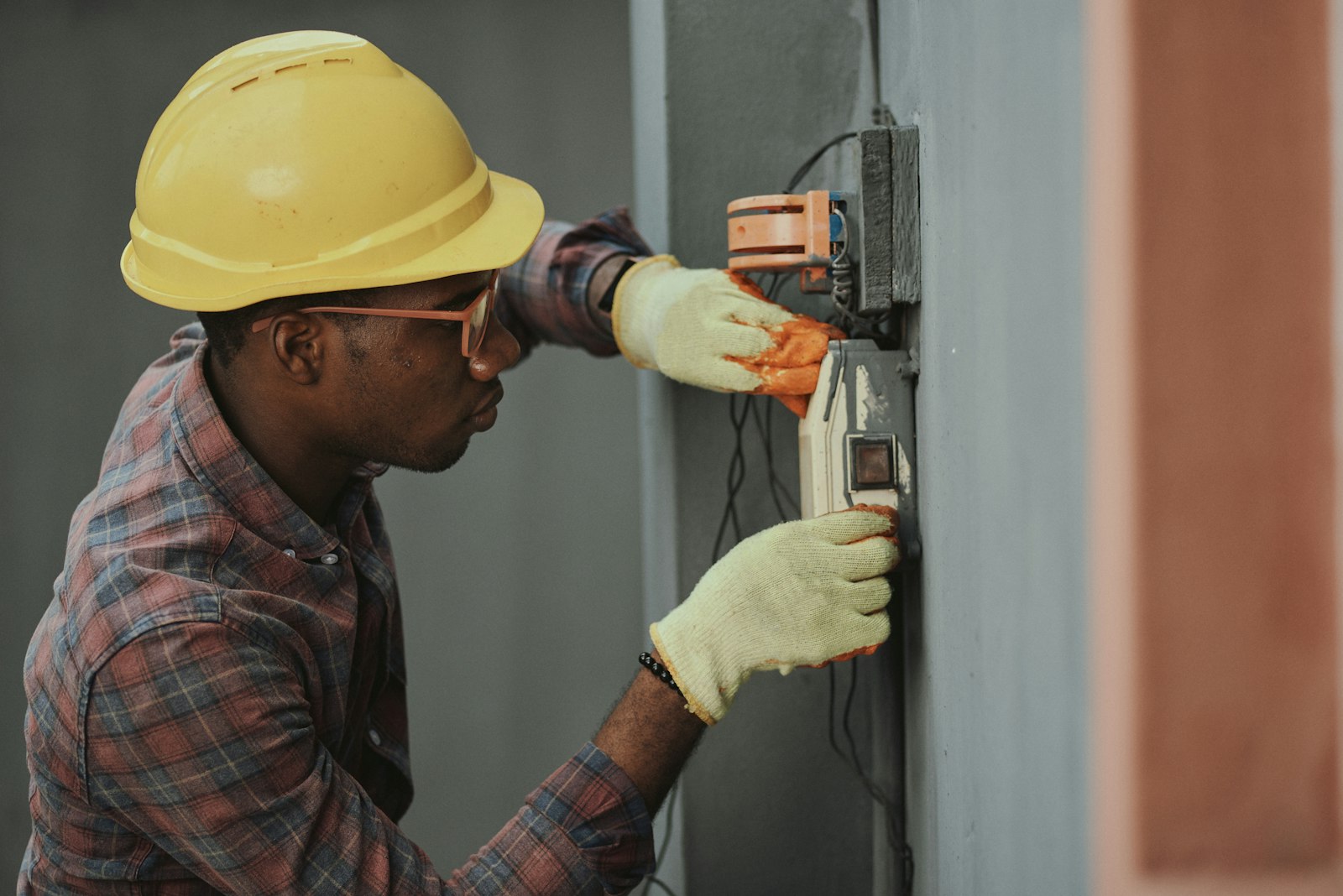
Electrical technicians work on wiring, panels, motors, and control systems in buildings, factories, and power distribution networks. You're the person who ensures electricity flows safely where it's needed.
What the work looks like: Pull wire through conduit, terminate cables to panels, test circuits with multimeters, troubleshoot control systems, and inspect equipment for safety. You might work indoors in a factory, outdoors on utility poles, or in commercial construction. The work is technical and detail-oriented. Mistakes matter for safety.
The 2026 outlook: Electrical technicians have strong job growth. Energy infrastructure upgrades, renewable energy installation, and new construction all drive demand. Manufacturing also relies heavily on electricians.
Starting salary: $30,000 to $44,000 annually. Journeyperson electricians (after apprenticeship) earn significantly more.
Entry requirements: High school diploma or GED. Apprenticeships are the standard pathway (4-5 years) and combine classroom training with paid on-the-job experience. Some employers hire entry-level helpers and fund apprenticeships. OSHA 10 safety certification and basic electrical certification (NCCER) improve hiring chances.
Warehouse technicians operate material handling equipment, troubleshoot conveyor systems, and maintain packaging machines in fulfillment centers and distribution hubs. If you've worked in a warehouse and noticed how equipment breaks down, you've seen the role you could move into.
What the work looks like: Diagnose conveyor jams, replace worn rollers, troubleshoot PLC (programmable logic controller, a computerized control system) errors, operate forklifts, and coordinate with operations to minimize downtime. You'll work indoors, often on your feet or climbing equipment. Many fulfillment centers operate 24/7, so shift work is common.
The 2026 outlook: E-commerce and logistics are booming. Amazon, Walmart, and other major retailers constantly hire warehouse technicians. This role is one of the fastest-growing entry points into a technician career.
Starting salary: $28,000 to $40,000 to start; with specialized skills and seniority, $50,000+. Amazon Career Choice offers tuition assistance for technician training while you work.
Entry requirements: High school diploma preferred but not always required. Forklift certification and basic PLC troubleshooting training (available through short courses) help you advance quickly. Many employers hire warehouse workers and train technicians internally.
Renewable energy technicians install, maintain, and repair solar panels, wind turbines, and other clean energy systems. This is one of the fastest-growing technician fields, with strong pay and the bonus of working on advanced technology that's expanding rapidly.
What the work looks like: Climb towers and roofs (you'll need a head for heights), install and wire solar modules, perform electrical checks, troubleshoot inverters and battery systems, and maintain equipment. Much of the work is outdoors in all weather. You might work for solar installers, wind farms, or utility companies.
The 2026 outlook: Renewable energy is booming. State incentives, federal investment, and corporate sustainability goals all drive demand. Solar technician positions are among the fastest-growing technician roles nationwide.
Starting salary: $32,000 to $48,000 annually. Specialists in complex systems (like battery storage or wind turbines) command higher pay.
Entry requirements: High school diploma or GED. NABCEP (North American Board of Certified Energy Practitioners) certification and OSHA 30 (height safety) are valuable but not always required at entry. Many solar companies offer on-the-job training and support certification.
Automotive technicians diagnose and repair vehicles in dealerships, independent shops, and fleet maintenance facilities. It's a trade with decades of history and a path to shop ownership for those who build expertise.
What the work looks like: Plug diagnostic equipment into vehicles, interpret fault codes, replace brake pads and filters, troubleshoot electrical and engine systems, perform oil changes and inspections, and communicate findings to customers. You'll work in a shop, often lifting vehicles on hoists, working with power tools, and troubleshooting complex mechanical systems.
The 2026 outlook: The auto industry is shifting. While traditional engine repair demand may soften, electric vehicle (EV) maintenance is growing rapidly. Technicians who learn EV diagnostics and repair have excellent job security. Overall, job growth is moderate, but demand varies by region and shop type.
Starting salary: $28,000 to $42,000 annually. ASE (Automotive Service Excellence) certification and EV training boost earnings.
Entry requirements: High school diploma. Apprenticeships (4-5 years) are common, but many shops hire entry-level technicians and train on the job. ASE certification requires on-the-job experience and passing exams. EV training is increasingly important and available through community colleges and specialized providers.
You don't need to master everything on day one. Employers know they'll train you on specific equipment and systems. But certain mindsets and foundational skills make you hireable.
Mechanical aptitude: Can you visualize how machines work? Do you naturally troubleshoot when something breaks? Employers test for this, and it's hard to fake. If you've built things, repaired cars or equipment, or worked with your hands, emphasize that.
Reading blueprints and schematics: Technicians interpret wiring diagrams, mechanical drawings, and system schematics. If you're not familiar, community colleges and online courses teach this skill quickly.
Attention to detail: A misplaced wire or a missed decimal point can cause safety hazards or equipment failure. Employers want people who double-check their work.
Problem-solving: When a system fails, there's rarely a single obvious answer. Employers value people who ask questions, test hypotheses, and methodically narrow down root causes.
Willingness to learn: Technology changes. Equipment gets updated. Certifications expire. Employers hire people who commit to ongoing training, not just checking a box at hire.
Teamwork: Most technicians collaborate with electricians, mechanics, supervisors, and operations teams. You'll need to communicate clearly and work alongside others in tight timelines.
Safety mindset: Technicians work around high voltage, heavy equipment, and hazardous chemicals. Employers prioritize people who take safety seriously and follow protocols.
Getting hired often comes down to timing, location, and the right certifications or training. Here's a realistic pathway.
Start with a foundation course: If you're completely new to technician work, a short course can give you credibility. The Multi-Craft Technician: Level 1 covers basic skills applicable across roles. Many employers recognize these credentials.
Get a relevant certification: OSHA 10 safety certification, NCCER courses, EPA 608 (for HVAC), or ASE (for automotive) are recognized nationwide. They're not always required to apply, but they help your resume stand out.
Target growing industries and regions: Renewable energy, data centers, Amazon fulfillment centers, and regions with active manufacturing are hiring aggressively. Your geography matters. Use Technicians of America to see regional demand and wages.
Leverage warehouse, military, or trade experience: If you've worked in a warehouse, served in the military, or worked construction, you already understand the culture. Emphasize that background.
Apply directly to employers: Large manufacturers, utilities, Amazon, and solar companies have career pages. Apply online, call the maintenance office, or visit in person. Persistence matters.
Consider apprenticeships: Union apprenticeships (IBEW, International Brotherhood of Electrical Workers, for electrical; HVAC unions) combine classroom training with paid on-the-job work. You earn while you learn. Application processes vary by region.
Build a network: Talk to technicians. Join local manufacturing or trade groups. Attend job fairs. Word-of-mouth often leads to jobs faster than online applications.





Technician roles are opening faster than employers can fill them, and most don't require a four-year degree. If you're drawn to hands-on work, problem-solving, and job security, a technician career is within reach. Start with a foundation course, get a relevant certification, target roles in growing industries, and apply. Explore technician opportunities in your area to find the path that fits your timeline.