.svg)

.svg)
The modern world runs on complex machinery, intricate electronics, and advanced software. Behind every smooth-running hospital, efficient manufacturing plant, and perfectly tuned vehicle, there is a dedicated professional ensuring everything operates as it should. If you enjoy hands-on problem solving, working with cutting-edge technology, and seeing the tangible results of your labor, exploring technician jobs could be the smartest career move you make.
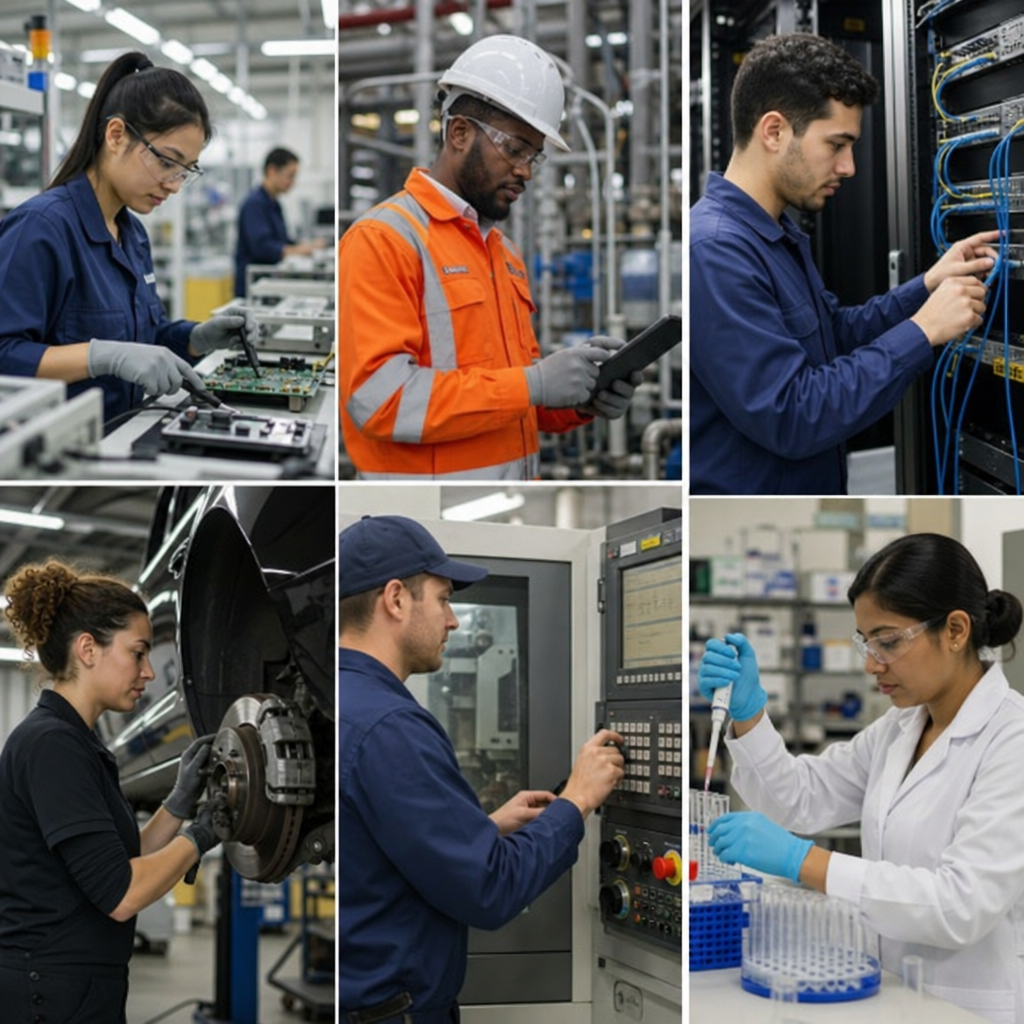
Today’s technical careers have evolved far beyond basic wrenches and screwdrivers. They require a blend of digital literacy, critical thinking, and specialized training. In this comprehensive guide, we will explore the diverse opportunities within this field, examine how education shapes your trajectory, and highlight the fastest-growing niches in the market.
The stereotype of a grease-covered worker turning a wrench is rapidly fading. Today, mastering the essential technical skills for the modern workforce means understanding computer diagnostics, automated systems, and specialized software alongside traditional mechanical principles.
From analyzing data readouts to replacing micro-components, the scope of the profession is incredibly vast. As technology advances, the demand for highly trained experts who can maintain, repair, and innovate continues to skyrocket. This shift is creating excellent entry level technical career paths for high school graduates and career-changers alike.
The automotive industry is experiencing a massive technological renaissance. Vehicles are essentially rolling computers, which has fundamentally changed the nature of auto repair.
A common point of confusion is the difference between automotive technicians vs mechanic roles. While the terms are often used interchangeably, there is a distinct difference in the modern shop:
For those who dedicate themselves to continuous learning, the ceiling in the automotive field is remarkably high. Professionals who achieve the status of master auto technicians possess deep expertise across all vehicle systems and command premium salaries.
Niche specialization can be even more lucrative. For instance, luxury and exotic car owners will only leave their vehicles in the hands of elite experts. Finding trusted Ferrari technicians (Hollywood, FL, being a notable hub for luxury auto repair) is a priority for exotic car enthusiasts, and these specialized professionals often earn six-figure salaries due to the precise, high-stakes nature of their work.

The healthcare sector is heavily reliant on technical staff to support patient care behind the scenes. These roles offer stability, competitive compensation, and the satisfaction of knowing your work directly impacts human health.
If you are interested in medicine but prefer an administrative and organizational focus, becoming a pharmacy tech is a fantastic route. But how much do pharmacy technicians make? Depending on location, experience, and the facility type (retail vs. hospital), the median salary typically ranges from $36,000 to $45,000 annually. However, those working in specialized clinical settings or holding advanced certifications can earn significantly more.
For those who lean heavily into electronics and mechanics, the biomedical field is incredibly rewarding. BMETs repair, calibrate, and maintain life-saving medical equipment like MRI machines, ventilators, and patient monitors. Because hospitals cannot function without this equipment, the biomedical technicians salary is highly competitive, often starting around $55,000 and easily surpassing $85,000 for seasoned experts managing complex imaging systems.
Beyond cars and hospitals, the global supply chain and manufacturing sectors rely on a massive workforce of industrial specialists.
Depending on your working style, you might prefer a stationary lab environment or the unpredictability of traveling to job sites.
You don't always have to be on-site to fix a problem. One of the fastest-growing niches involves remote diagnostic support positions. In these roles, technicians use cloud-based software and IoT (Internet of Things) connectivity to troubleshoot industrial machinery or IT networks from thousands of miles away, often resolving issues before a field tech even needs to be dispatched.
Manufacturing plants require constant upkeep. Industrial mechanics (also known as millwrights) keep factories running by maintaining conveyor systems, hydraulic presses, and automated packaging lines. The average salary for industrial mechanics sits around $60,000 per year, though heavy industry and energy sector roles often push into the $80,000+ range with overtime.

One of the most attractive aspects of a technical career is that it doesn't necessarily require a traditional four-year college degree. However, it does require specialized knowledge.
When considering the route to take, the trade school vs university degree debate is a vital conversation.
Before enrolling, always verify vocational training program requirements. Ensure the school is accredited and has partnerships with local industries to help with job placement upon graduation.
If you prefer to learn on the job, look into apprenticeship opportunities for beginners. Programs sponsored by local unions, manufacturing plants, or automotive groups allow you to work under the guidance of a journeyman. You get paid to learn the trade, and you typically graduate with a guaranteed job and zero educational debt.
Many successful technicians start their lives in entirely different fields. Transitioning from retail to technical work is surprisingly common and highly effective. The soft skills mastered in retail—customer service, de-escalation, time management, and clear communication—are incredibly valuable. When a field tech visits a frustrated client whose machinery is broken, the ability to communicate empathetically is just as important as the ability to fix the machine.
To truly maximize your earning potential, you must validate your skills through official channels.
If you are wondering how to become a certified technician, the process generally involves:
For roles involving public safety (like aviation or advanced electrical work), you will need state or federal licensing. The steps to earn professional licensure usually include submitting background checks, logging a specific number of apprenticeship hours, and passing a rigorous state board examination.

Overall, your specific technician salary will depend heavily on your industry, location, and certification level. However, society's increasing reliance on complex infrastructure has led to a boom in high paying skilled trade careers. Plumbers, electricians, aviation mechanics, and wind turbine technicians frequently earn middle-class to upper-middle-class incomes without the burden of massive student loans.
Furthermore, job security in this sector is exceptionally strong. The occupational outlook for maintenance specialists and specialized mechanics is projected to grow steadily over the next decade. Unlike some administrative or creative roles, hands-on technical maintenance cannot be easily outsourced overseas or fully replaced by artificial intelligence.
Because technology never stops advancing, neither can you. Committing to continuing education for trade professionals is non-negotiable. Whether it is learning how to service the latest EV battery tech, understanding a new robotic surgical arm, or mastering updated safety codes, ongoing training ensures you remain an invaluable asset to your employer.





The world of technician jobs is vast, dynamic, and incredibly rewarding. Whether you are aiming to troubleshoot life-saving medical devices, maintain high-speed manufacturing robots, or become one of the elite experts tuning exotic sports cars, the opportunities are endless. By choosing the right educational pathway, pursuing specialized certifications, and committing to lifelong learning, you can build a lucrative, secure, and highly respected career keeping the modern world in motion.