.svg)

.svg)
Are you tired of the daily commute? Many technicians are asking the same question. Remote technician jobs are becoming real opportunities across multiple sectors. You'll find IT support, systems monitoring, diagnostics, and data analysis roles that let you work from anywhere. The shift toward hybrid and fully remote positions reflects how modern technical work actually happens. Some tasks still demand hands-on presence; others don't. Cloud-based platforms, remote diagnostics tools, and real-time monitoring systems mean a growing number of technician roles can be performed from home.
This guide maps which remote technician jobs exist, what they pay, what tools you'll use, and which companies actively hire. Whether you're changing careers or seeking better flexibility, understanding these opportunities can help you find a path that fits your life. Unmudl connects working adults with technician training through partner community colleges and employer-designed courses built for roles supporting remote work.
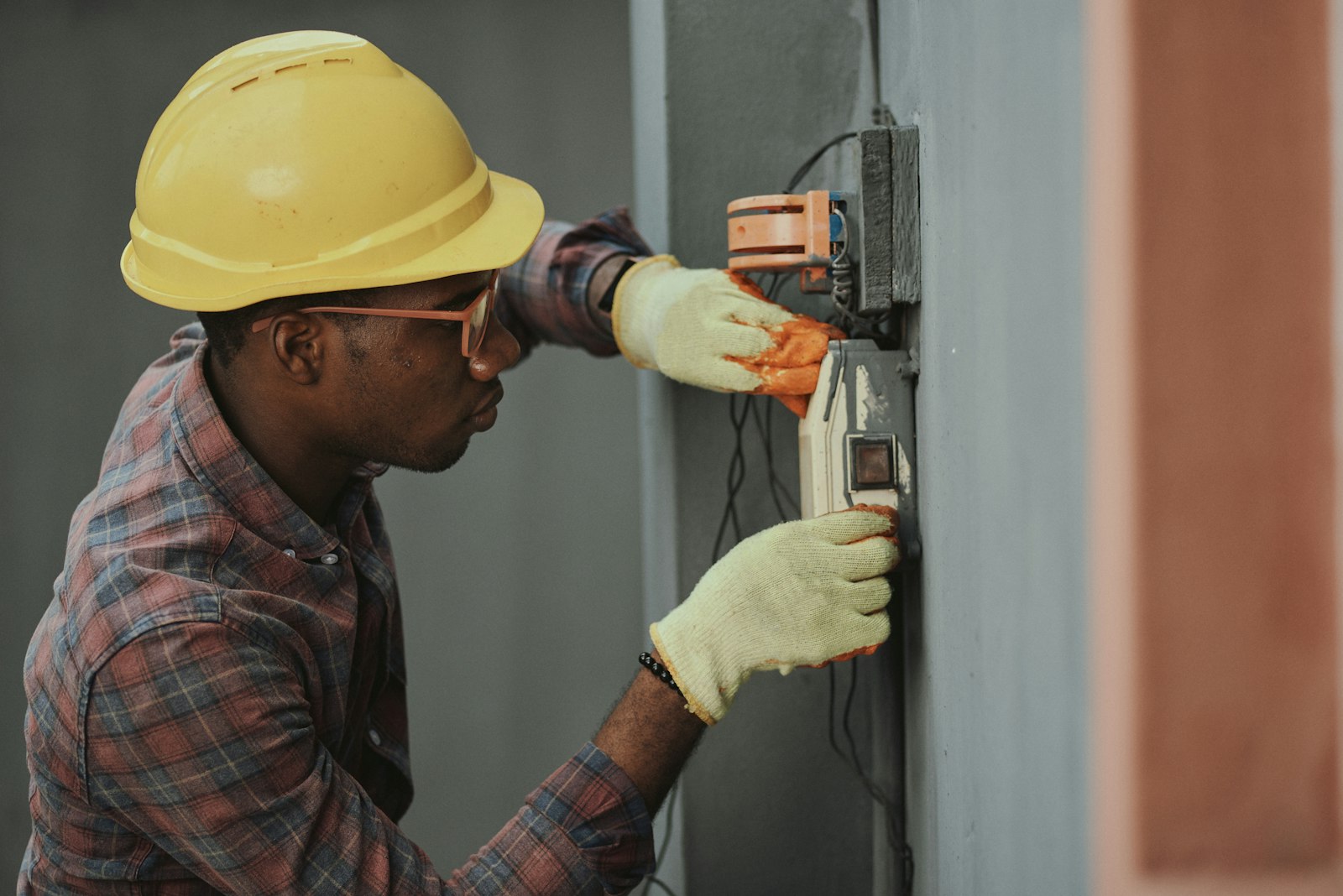
Not every technician job can be done from a laptop. HVAC installation, electrical wiring, and hands-on machinery repair require physical presence. But a growing segment of technical work is fully remote or hybrid.
Fully remote technician roles include IT support technicians who handle helpdesk and user issues entirely via phone, chat, or screen sharing. Systems monitoring technicians track network health and server performance from a home office, watching dashboards and responding to alerts. Remote diagnostics technicians troubleshoot equipment through remote access software, guiding on-site workers when physical tasks are needed. Data analyst technicians review system data to identify trends and prevent breakdowns. Documentation and technical writing roles create manuals and procedures entirely online.
Hybrid roles blend remote work with occasional site visits. Instrumentation technicians might commission systems remotely during setup, then check in on-site quarterly. Maintenance technicians overseeing distributed facilities spend most time monitoring remotely but visit when major repairs occur. Quality control technicians use remote inspection systems and cameras to evaluate products without constant factory presence.
The key difference is whether work involves physical manipulation. If it does, you visit the site. If it's monitoring, analyzing, diagnosing, or documenting via software, remote is likely possible. Your specific role and industry determine the split between home and office time.
Salary is a top concern when changing careers. The good news: remote technician salaries are competitive with on-site work.
Data shows remote technical roles often match or exceed on-site pay. A systems monitoring technician working from home might earn the same as an on-site counterpart. Employers often pay more because they can hire talent from any region without relocation costs. Entry-level remote IT support starts lower (typical for IT support overall), but specialized remote diagnostics roles command solid mid-range salaries.
Salary varies based on several factors. Specialization matters significantly. General IT support pays differently than advanced diagnostics. Industry affects pay substantially; manufacturing remote monitoring typically pays more than basic tech support. Experience and certifications increase your salary trajectory. Geographic demand also shifts pay. Some regions have more remote technician positions than talent available, which pushes opportunities up.
Remote work also reduces your personal costs. No commute means no gas, no vehicle wear, no parking fees. Food costs drop when you eat at home. Wardrobe expenses shrink. That money stays in your pocket and boosts effective earnings. Over a year, these savings add several thousand dollars to actual take-home value.
The BLS Occupational Outlook Handbook reports strong growth for technician roles overall, and remote positions are expanding within those fields. You're entering a growing sector with real momentum.
Before accepting a remote technician role, understand the tools you'll work with. They're standard industry-wide, and knowing them helps you hit the ground running.
Remote access and support software forms your daily toolkit. TeamViewer, AnyDesk, and similar platforms let you access and control systems from your computer. VPNs (virtual private networks) securely connect you to employer networks so nobody intercepts your data. Microsoft Remote Desktop and similar tools give you full computer-to-computer control.
Monitoring and diagnostics tools track equipment health constantly. CMMS software (think of it as a digital maintenance logbook) records every repair, tracks equipment history, and alerts technicians when service is due. Maximo and Maintenance Connection are common CMMS platforms used across manufacturing and facilities management. SCADA systems (supervisory control and data acquisition) monitor industrial processes in real time, displaying dozens of data streams on your screen. Thermal imaging and vibration analysis software interpret sensor data uploaded from remote locations. They tell you if a bearing is wearing out before it fails.
Communication platforms connect you to your team. Slack, Microsoft Teams, or Zoom handle collaboration and quick questions. Ticketing systems track customer and internal requests so nothing falls through cracks. Confluence, Sharepoint, or wiki software store procedures, troubleshooting steps, and knowledge bases you'll reference constantly.
Core Remote Technician Tools by Category:
If any of these sound unfamiliar, that's fine. Structured training programs teach these tools through hands-on labs. The Data Analyst Technician course trains you in data interpretation and systems monitoring within weeks. The Instrumentation and Control Technician courses, including the Virtual Lab component, give you practical experience with remote monitoring and supervisory control in depth.

You might be surprised which companies offer remote technician roles. Large employers in manufacturing, automotive, and logistics actively hire remote technicians because they manage facilities across multiple states or countries. Amazon, for example, runs a Career Choice program through Unmudl that includes technician training with flexible delivery for roles supporting remote environments. Intel employs process technicians and systems monitors in distributed setups.
Smaller software and monitoring firms also hire remote technicians. If a company sells CMMS software or remote diagnostics platforms, they employ remote technical support specialists and systems analysts. These experts work from home. Their own expertise pools test and support the tools they sell.
Regional manufacturers with distributed facilities value remote technicians especially. Those managing multiple plants across different states can monitor and troubleshoot across locations without travel. A technician managing five plants in different time zones from a central office is more cost-effective. They respond faster than travel between sites would allow.
Check Manufacturing America for information on employers organizing around technician hiring in your region. Regional variation matters significantly, some areas have more remote technician positions than talent available, which increases your negotiating power.
Getting into a remote technician role requires specific skills, and the good news is they're teachable. You don't need decades of experience to start.
Core skills for remote work include troubleshooting via software and communication (not just hands-on assessment), remote access software proficiency, and strong written communication. When you can't see equipment in person, you describe what you see and diagnose through description and data. Time management and self-discipline matter enormously when working from home; nobody's watching you, so you hold yourself accountable. Attention to detail becomes critical. Small data signals, a slight temperature rise, a minor vibration increase, a small pressure drop, tell you something important is developing.
Technical certifications help you compete. CompTIA A+ is standard for IT support roles and opens doors. Manufacturer-specific certifications vary by equipment type but show deep expertise. CMMS platform certifications prove you can use industry-standard software. Vendor certifications from Siemens, Rockwell, or similar companies demonstrate specialized knowledge relevant to remote monitoring roles.
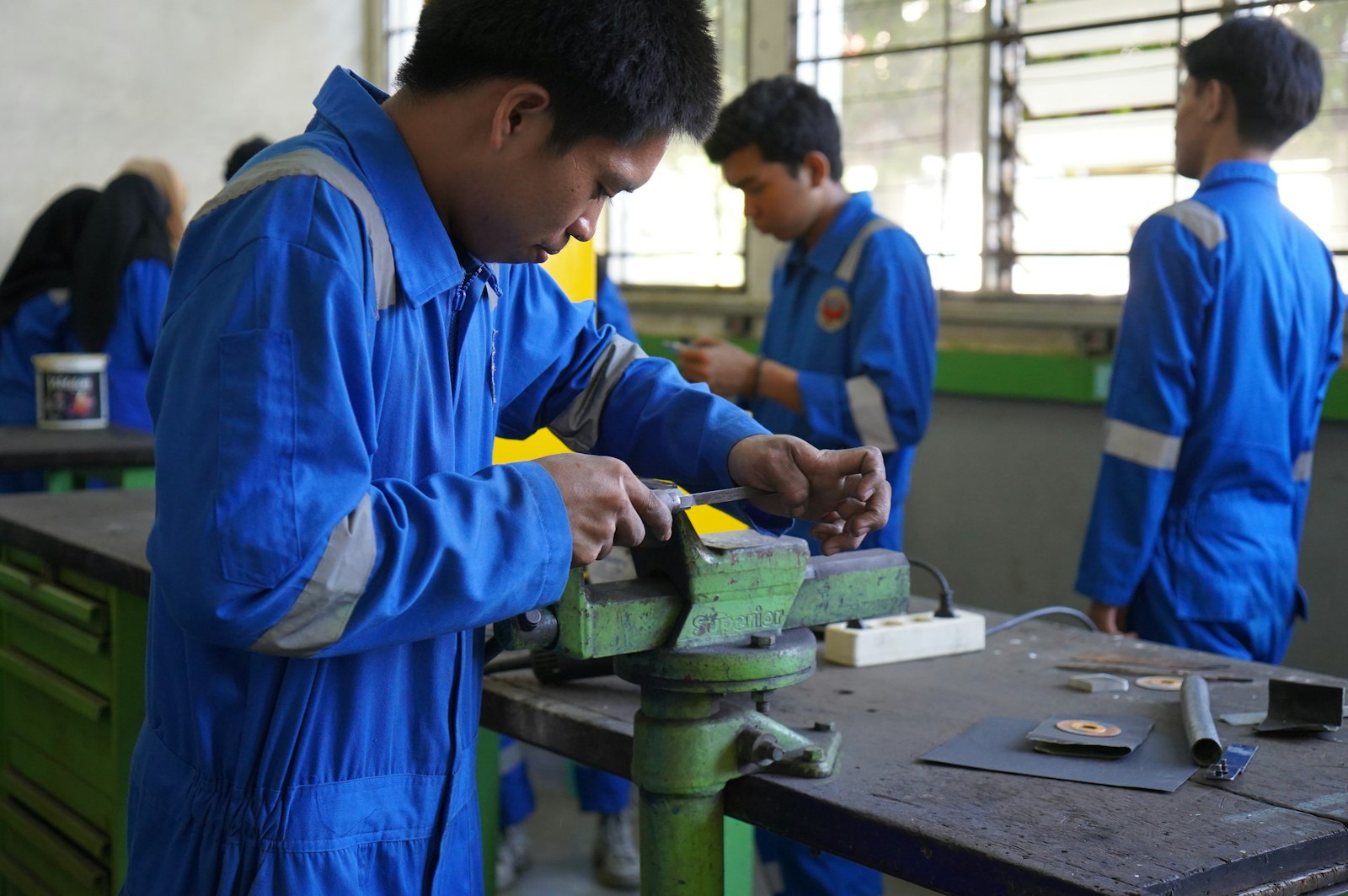
The fastest path combines short-format training with hands-on labs. Many employers value demonstrated competence over traditional degrees. If you can troubleshoot clearly and communicate effectively, you're competitive regardless of educational background.





The barrier to entry is lower than ever. Years ago, becoming a technician meant a two-year associate degree. Today, you can train in months through employer-designed courses and hands-on labs.
If data interests you, courses in data analysis teach you to read industrial systems in weeks, not semesters. If industrial monitoring appeals, control systems training covers everything from sensors to remote diagnostics. Both paths lead to remote-capable roles hiring right now.
Time to paycheck matters when you're changing careers. Faster training means sooner earning. Remote technician starting salaries are solid, and growth accelerates as you stack certifications and experience. Commit now, train this fall, and be job-ready by spring. That's the pace the technician economy moves at in 2026. Browse technician courses and find one aligned with your goals to start your remote technician career.