.svg)
.svg)
You might think CNC machine operators are just button-pushers. They're not. A CNC machine operator career attracts skilled professionals who understand precision, problem-solving, and the equipment driving modern manufacturing. The financial case is compelling. Entry-level CNC operators earn 35 to 50 percent more than other entry-level trades, and that gap widens as you advance. If you're weighing a career switch or choosing a technical path, understanding what CNC operators actually do, what they earn, and how to enter the role can make all the difference. This guide covers the real job, the training required, salary progression, and employer demand in 2026.
A CNC machine operator sets up, monitors, and maintains computerized machining equipment that cuts metal and other materials to precise specifications. CNC stands for Computer Numerical Control. Unlike a manual machinist who hand-adjusts each cut, you work with programs that guide the machine through complex sequences at high speed.
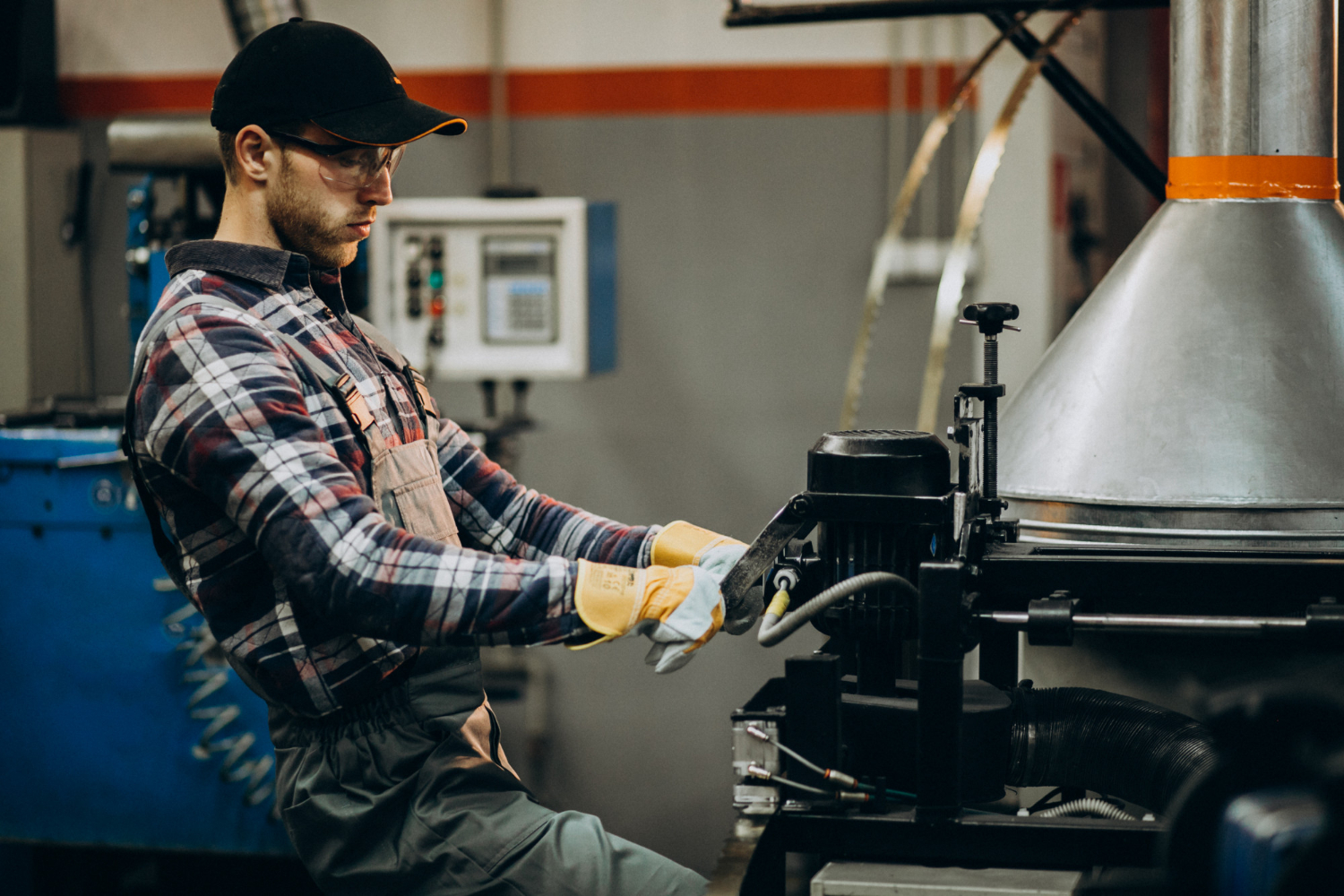
On a typical shift, you start by reviewing the work order and the G-code (the programmed instructions the machine follows). You load stock material into the chuck or fixture, input offsets that account for tool wear and part size, and press start. Then you watch. Most of the time the machine does the cutting while you monitor spindle speed, feed rate, and whether the part stays within tolerance. You take measurements with calipers or micrometers and compare them to the blueprint. If a dimension drifts, you adjust the tool offset and re-run a test piece.
Troubleshooting fills much of the workday. A tool breaks mid-cycle. A chuck loses pressure. The spindle makes an odd noise. You diagnose the problem, swap the tool, check coolant levels, or alert maintenance. You're not a full repair technician, but you know enough about the machine's systems to keep production moving.
The role bridges the shop floor and the engineer's desk. Programmers write G-code; operators run it and feed back whether the program works in reality or needs tweaking. This feedback loop is where operators earn respect and often higher pay. Operators who understand both the machine and the program become valuable, especially in high-volume manufacturing and aerospace shops that rely on precision and uptime (imagine a single scrap part costing thousands of dollars in aerospace applications).
One skill that separates competent operators from great ones is reading blueprints and understanding tolerances. An experienced operator doesn't just run the machine; they catch errors before scrap happens. This is a real value-add that employers see on the bottom line.
Three roles often get confused on the shop floor: CNC operator, CNC machinist, and CNC programmer. Understanding the differences helps you see the career ladder and know where your starting point leads.
A CNC machine operator runs pre-written programs, monitors the machine, adjusts offsets during production, troubleshoots common problems, and measures finished parts. Entry point: high school diploma or GED plus 4-12 weeks of formal training. You don't need programming knowledge on day one.
A CNC programmer writes and tests G-code (the language that tells the machine what to cut), uses CAM software (Computer-Aided Manufacturing) to generate toolpaths, understands cutting speeds and feeds for different materials, and optimizes programs for efficiency and speed. Entry point: operator experience first, or 6-18 months of dedicated programming training. Programming roles pay 15 to 25 percent more than operator roles.
A CNC machinist (sometimes called a machining technician) is a master of both operation and programming. They understand cutting theory, tool geometry, material properties, and can design solutions to production problems. Entry point: operator experience plus advanced training, or a formal technician program. Machinist roles pay 20 to 40 percent more than entry-level operator roles.
Your career progression typically looks like operator → senior operator or operator-programmer → full programmer or manufacturing technician. Each step adds skills and responsibility. The good news: you don't need to decide right now. Start as an operator, see what the work feels like, and let your interest and employer's training opportunities guide the next move.
If you're wondering how to become a CNC operator, the fastest path is through a short-format training program and on-the-job mentoring, taking weeks to a few months from start to hire. You don't need a two-year associate degree or a four-year college program to get started.
Here are the key CNC operator training requirements employers typically expect:
CNC certification programs vary by employer and industry. Many employers sponsor certification once you're hired, while others require it upfront. NCCER offers recognized CNC certifications, as do equipment manufacturers. Some shops use internal training or certifications specific to their equipment.
Short-format training is the real advantage. Instead of spending two years in a community college program, you can complete foundational CNC skills in 4 to 12 weeks. The Introduction to CNC Machinist course covers the essentials: G-code fundamentals, setup procedures, safety, and hands-on practice. Employers value candidates who show up already knowing basic G-code syntax and shop terminology. It accelerates your onboarding by months.
Advanced programs like the Smart CNC Machinist training add deeper skill layers, CNC programming, CAM software fundamentals, and troubleshooting, compressing what used to require two years into a focused pathway. Graduates move faster into senior roles and higher pay.
The real advantage: short-format training is affordable and fast. Pair it with employer sponsorship or a tuition-reimbursement benefit, and you're working and earning within weeks.
CNC operator earnings vary by region, experience, and industry, with entry-level roles commanding a significant premium over other entry-level trades. That's the financial advantage that attracts career-switchers.
An entry-level CNC operator in most U.S. markets earns 35 to 50 percent more than entry-level retail, warehouse, or general manufacturing labor. The median sits solidly in the lower-to-mid skilled-trade range. Within 2 to 3 years, experienced operators move into senior or lead operator roles, earning 20 to 40 percent more than their entry-level self.
Progression depends on your employer's commitment to development and your own initiative. Some shops promote operators to training roles, where they mentor new hires and earn higher pay. Others move operators into programming or technician roles. A few stay in operation for decades and earn senior-level wages by seniority and expertise.
Top-paying industries for CNC operators:
Aerospace and defense tops the list. CNC work in aerospace requires extreme precision (tolerances measured in ten-thousandths of an inch), and operators with that discipline command premium pay. Aerospace shops invest in training and retention because the cost of scrapping a part far exceeds the cost of paying a master operator.
Semiconductor manufacturing is another high-payer. Precision equipment and high-uptime demands mean skilled operators are hard to find and expensive to lose.
Automotive (both OEM suppliers and tier-one shops) pays solidly for CNC work, especially when you specialize in high-volume production optimization.
Medical device shops pay well because precision literally affects patient outcomes. A poorly machined surgical component is unacceptable, so operators with proven track records earn accordingly.
Salary progression over a decade typically looks like: entry-level operator → experienced operator (2-3 years in) → senior/lead operator (5+ years in) → programmer or technician role (optional, depends on your growth path). Each step adds 15 to 25 percent to your wage. Geographic variation matters. Urban manufacturing centers (Detroit, Chicago, Los Angeles, Southwest) often pay higher than rural areas, though cost of living differs too.

Employers aren't looking for operators who just press start. They want technical depth. The skills gap in manufacturing is real, and shops struggle to find people who combine hands-on ability with shop floor literacy.
G-code reading and basic editing is table stakes. You don't need to write complex programs, but you need to read a line of code, understand what it's telling the machine, and spot obvious errors. This skill alone sets you apart from candidates with zero technical training.
Precision measurement is non-negotiable. Calipers, micrometers, depth gauges, and height gauges are your everyday tools. You measure a part, understand the tolerance window, and report it accurately. Some shops use digital CMMs (coordinate measuring machines); familiarity helps.
Machine troubleshooting separates good operators from average ones. When the spindle won't start, when a chip gets caught, when vibration increases, when coolant flow drops, you diagnose and act. This isn't deep mechanical repair, but it's enough mechanical sense to keep the shop running while you wait for maintenance.
Blueprint reading and tolerance understanding is the bridge between the engineer's vision and the physical part. You read a drawing, understand the dimensions and tolerance bands, and know whether your measurement is acceptable. Many shops run operators through quick training on this if you don't have it, but showing up with the skill is a huge plus.
Speed and feed optimization is where experienced operators shine. You learn to run the machine a little faster, choose the right coolant, and reduce cycle time without sacrificing quality. Over time, this skill adds up to massive productivity gains and higher pay.
Safety and OSHA (Occupational Safety and Health Administration) awareness is mandatory. You know lockout-tagout procedures, PPE requirements, and safe machine operation. Most employers require OSHA 10 or equivalent awareness before day one.
How do you develop these skills? The Smart CNC Machinist course includes G-code fundamentals, measurement basics, and real machine practice. The Introduction to CNC Machinist course covers essentials at a faster pace. Both prepare you for employer-specific training and accelerate progression into higher-paying roles.
A CNC operator position is a foundation, not a ceiling. Most large manufacturers have a defined path from operator to technician to engineer. The progression depends on your employer's size, your own drive, and the investment they're willing to make in your development.
Operator to senior operator: This is the easiest step. You master your machine, mentor newer operators, and earn more through seniority and expertise. Senior operators often lead shifts, train new hires, and troubleshoot complex problems. Pay increases 20 to 30 percent over base operator wage.
Operator to programmer: Many operators transition to a CNC programming career after 1 to 3 years. You learn CAM software, deepen your G-code knowledge, and start writing programs for new jobs. Some employers sponsor this training; others expect you to pursue it on your own time. Programmer roles pay 15 to 25 percent more than operator roles, and career advancement accelerates.
Operator to manufacturing technician: With formal education (an associate degree, for example) or deep experience plus advanced certifications, you move into broader troubleshooting, process improvement, and equipment maintenance. Manufacturing technician roles are gateways to engineering or operations management.
Operator to manufacturing engineer: This usually requires a four-year engineering degree or equivalent experience. But employers value operator experience because you understand real-world constraints engineers often miss. Many manufacturing engineers started on the shop floor.
The big picture: if you start as an operator, you're positioned to move up. Shops need people who've actually run the machines. That experience is a resume builder for any technical path. Career-switchers often progress faster because they're focused and intentional about the learning curve.





Unmudl partners with Amazon Career Choice to offer courses that cover 95 percent of tuition for high-demand skills, including advanced manufacturing roles. Major employers recognize that career-switchers bring focus, discipline, and financial motivation to CNC work. You've likely held other jobs; you understand what it means to show up and deliver. That maturity is often more valuable than a fresh high school graduate on the shop floor.
If you work for an employer offering tuition reimbursement or learning benefits, CNC training qualifies. If you're self-funding, the payoff timeline is short: most operators recoup costs within 6 to 12 months through higher wages. The financial case is straightforward. Start by exploring career paths for CNC operators at Technicians of America, find a training provider, and set your start date.