.svg)
.svg)
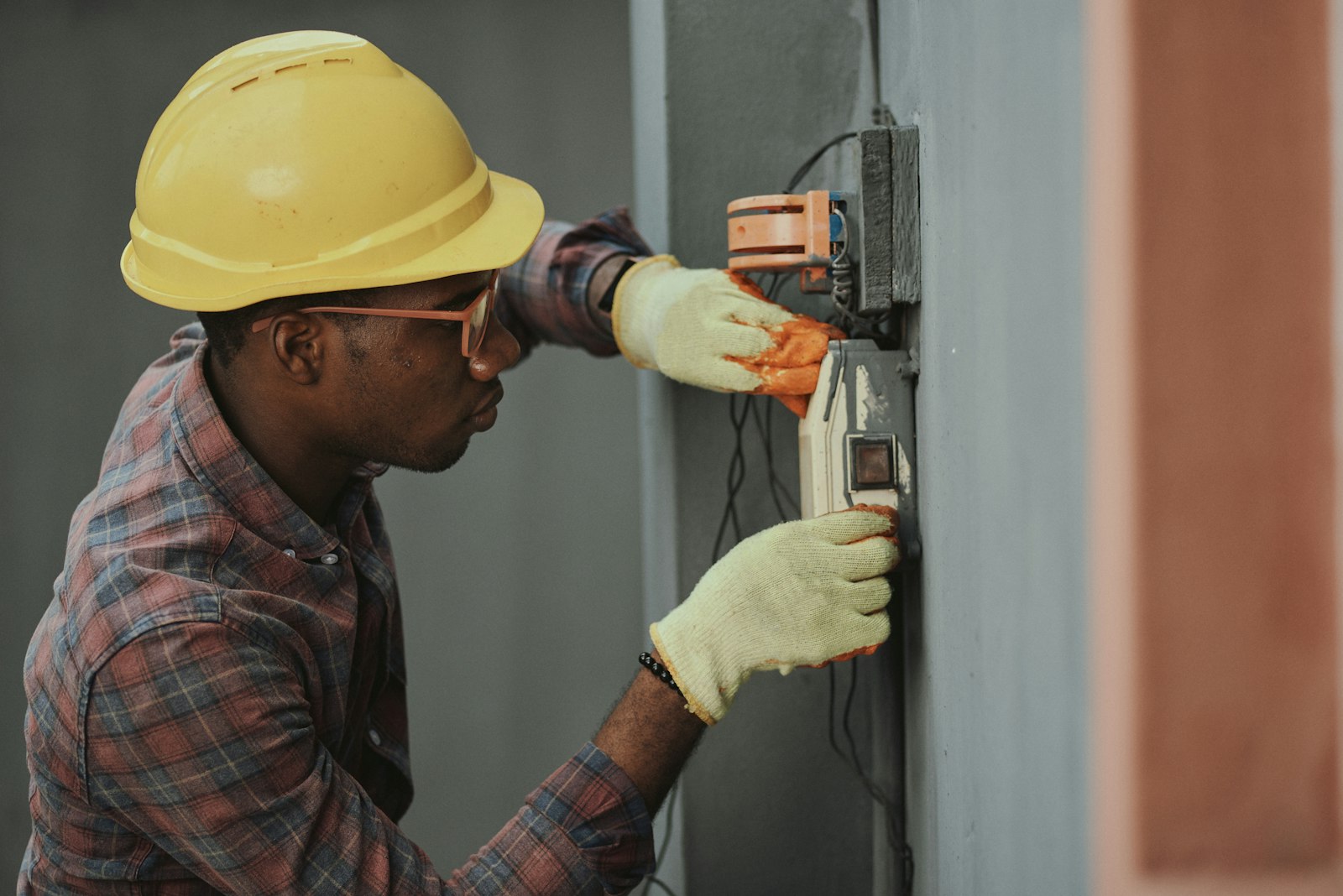
Electrician jobs are more in-demand than ever. Whether you’re curious about the trade, already working, or seeking a career change, understanding what electricians do matters. The electrical trade offers stability, strong wages, and solid growth potential. Many electricians report high job satisfaction because they solve real problems every day and see tangible results from their work. Ready to build your career? Unmudl offers training programs to help you develop the skills employers want. This guide walks you through everything you need to know about starting and advancing an electrician career in 2026.
An electrician installs, maintains, and repairs electrical systems in homes, businesses, and industrial facilities. This work spans residential wiring and power distribution to complex industrial automation and renewable energy systems. As technology evolves, smart homes, electric vehicles, solar power, and advanced manufacturing drive demand. The electrical trade expands with new specializations and higher earning potential. If you’re researching electrician jobs or considering how to become an electrician, now is an exceptional time to enter this field.
Not all electrician jobs are the same. The electrical trade splits into several specializations, each with its own focus, complexity, and earning potential. Understanding the types of electricians helps you identify the right entry point and long-term direction for your electrician career path.
Residential Electricians install and maintain electrical systems in homes and apartment buildings. They work on wiring, outlets, lighting, and safety systems. Residential work often offers steadier schedules and more predictable project timelines. Many residential electricians start here because entry barriers are lower compared to commercial or industrial roles. The work requires solid technical knowledge and customer service skills, but less complexity than other specializations. Residential electricians often interact directly with homeowners, making communication abilities valuable.
Commercial Electricians work on larger projects like office buildings, shopping centers, and hospitals. Their work involves bigger electrical systems, higher voltage requirements, and stricter building codes. Commercial electricians typically earn more than residential electricians and enjoy more consistent work schedules and larger projects that may span months. This specialization is ideal if you prefer working on bigger-scale installations and more complex systems.
Industrial Electricians maintain and repair electrical equipment in factories, power plants, and manufacturing facilities. This role demands deeper technical knowledge and carries higher responsibility since equipment failures can halt production. Industrial positions often pay the highest wages in the electrical trade. However, they usually require more experience and advanced certifications. If you pursue industrial work, expect to master complex machinery and troubleshooting techniques.
Maintenance Electricians focus on keeping existing electrical systems running smoothly. They diagnose problems, repair equipment, and perform preventive maintenance on facilities. This role combines troubleshooting skills with broad system knowledge. Many companies employ maintenance electricians on staff for facility reliability. If you prefer stable, ongoing employment with one employer rather than project-based work, maintenance roles offer excellent career stability.
Each specialization has different job requirements, salary ranges, and growth rates. Your career might start in residential or commercial work and advance to industrial roles as you gain experience and certifications. Understanding these differences helps you pick the right starting point. Learn more about electrician career paths to find where you fit best.
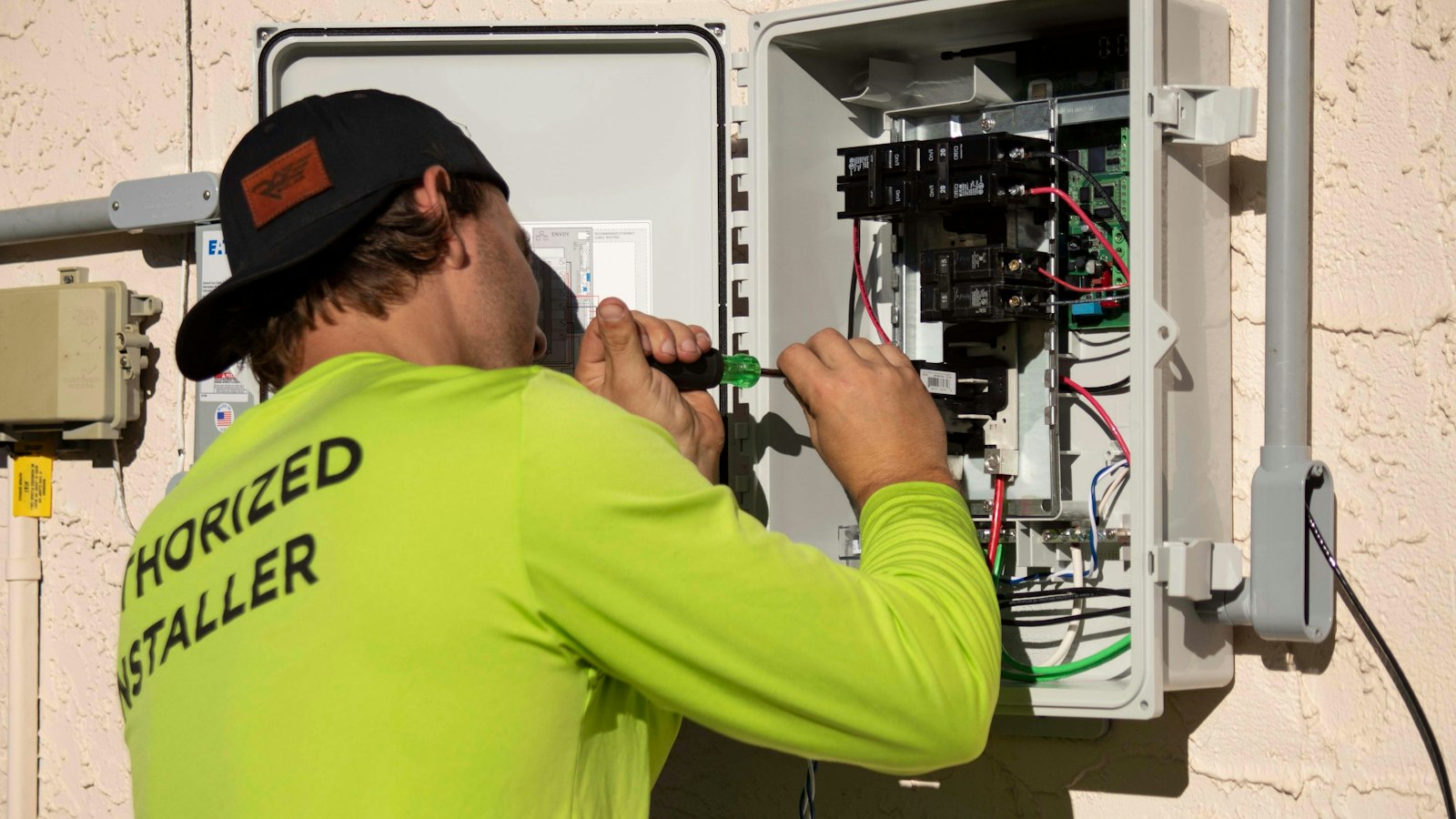
Becoming a skilled electrician requires both technical knowledge and hands-on training. Employers look for specific abilities that prove you can do the job safely and effectively. Understanding electrician job requirements helps you prepare for success in this competitive field.
Technical Skills form the foundation. You need to understand electrical theory, circuits, and how to read blueprints. You’ll learn to use specialized tools like multimeters, wire strippers, and testing equipment. Knowledge of NCCER building codes and safety standards is essential. Many electricians today also learn computer skills for smart systems and digital diagnostics. Advanced technical skills often lead to higher pay and more specialized work opportunities.
Problem-Solving Abilities matter because electrical issues aren’t always obvious. From our work with industry professionals, we’ve found that the best troubleshooters combine logical thinking with patience. You’ll diagnose what’s wrong, figure out solutions, and fix problems under time pressure. Strong problem-solving skills often differentiate experienced electricians from newcomers.
Physical Skills include climbing ladders, working overhead, bending in tight spaces, and standing for extended periods. Hand-eye coordination and dexterity matter. Most electricians stay physically active throughout their careers, which keeps them healthy and engaged. These physical capabilities become less demanding as electricians advance into supervisory or business ownership roles.
Safety Mindset is critical. Electricity is dangerous. Electricians who follow safety protocols, use proper equipment, and stay alert avoid injuries and protect customers. Safety training never stops. Your commitment to safety impacts your own career longevity and your reputation in the industry.
Communication Skills often get overlooked but matter tremendously. You’ll explain work to customers, coordinate with contractors, and document your work clearly. Strong communication helps you advance into supervisory positions and build a client base if you work independently.
Education Pathways typically include:
Explore electrical training at Unmudl to see accelerated learning options that fit your timeline.
Most states require licenses. You’ll progress through levels: helper, apprentice, journeyman, and master electrician. Each level demands more hours, experience, and passing certification exams. Understanding these progression levels helps you map your long-term career development.
Earning Potential
What do electricians actually earn? In 2026, median electrician salaries range from $55,000 to $65,000 annually. Experienced electricians in high-demand areas earn considerably more. Master electricians and business owners frequently exceed $100,000 per year. Your earning potential depends on specialization, location, experience, and certifications.
Salary by Specialization
| Specialization | Salary Range | Details |
|---|---|---|
| Residential | $50,000–$70,000 | Electrician salary 2026 varies by region and experience level |
| Commercial | $60,000–$80,000 | Typically higher than residential work |
| Industrial | $70,000–$95,000+ | Highest wages; requires advanced skills |
| Maintenance | $55,000–$75,000 | Depends on facility and employer size |

Factors Affecting Pay:
Job Growth and Outlook
According to the U.S. Bureau of Labor Statistics, demand for electricians continues to grow. Retiring electricians create open positions. New construction plus the renewable energy boom add more jobs yearly. This strong outlook means steady employment opportunities and advancement potential. Many regions report shortages of skilled electricians, which means electrician jobs near me are abundant for job seekers in most areas.
Benefits Beyond Salary
Many employers offer health insurance, retirement plans, paid time off, and continuing education support. Some offer apprenticeship tuition reimbursement. The trade also provides job security and the satisfaction of hands-on, meaningful work. These benefits add significant value beyond hourly wages.
Ready to start your electrical career? Here’s what the journey looks like from beginning to end. This step-by-step pathway shows how to become an electrician regardless of your current background.
Step 1: Meet Basic Requirements
You’ll need a high school diploma or GED. Some states require you to be 18 years old. Check your state’s specific rules because requirements vary by location. These basic qualifications are your entry point. Having strong math skills helps, though you’ll build what you need during training.
Step 2: Build Trade Knowledge
Enroll in a pre-apprenticeship or trade school program. These programs introduce you to electrical fundamentals, safety, and basic skills. Some run for just a few months. This foundation makes apprenticeships smoother and sometimes shorter. Unmudl offers focused electrical courses to help you prepare quickly and efficiently. Pre-apprenticeship training helps you understand whether electrical work suits you before committing to a multi-year apprenticeship.
Step 3: Start an Apprenticeship
Most electricians complete a formal apprenticeship, typically 4 to 5 years long. Apprenticeships combine classroom instruction with paid on-the-job training. You earn money while you learn, though entry-level pay is modest. Your employer, usually an electrical contractor, teaches you practical skills. You work alongside experienced electricians and gradually take on more responsibility. This hands-on training proves invaluable for developing real-world competence.
Step 4: Earn Your License
After completing your apprenticeship hours (usually 8,000 to 10,000 hours depending on your state), you’ll take a journeyman exam. Passing this exam makes you a licensed journeyman electrician. Some electricians stop here; others pursue master electrician licenses for higher pay and authority. Journeyman status represents a significant achievement and opens doors to independent work.
Step 5: Continue Learning
The electrical trade evolves. New technologies like solar systems, smart home automation, and electric vehicle charging stations create new opportunities. Pursuing advanced certifications keeps you relevant and increases your earning potential. Continuing education ensures you stay competitive throughout your career.
Finding Apprenticeships:
Timeline Reality
From start to journeyman takes roughly 4 to 6 years for most people. If you start with trade school knowledge, advance faster, or pursue union programs with accelerated tracks, you might move more quickly. The investment pays off in career stability and earning power.





The electrical trade offers real opportunities. Strong wages, job security, and the satisfaction of building skills that matter make electrician jobs an excellent choice. Whether you’re exploring options, preparing for an apprenticeship, or looking to advance, you don’t have to figure it out alone.
Technicians of America is here to help you understand the electrician career landscape. We show you what the work looks like, what it pays, and where jobs are hiring. Your electrician career can provide stability, growth, and personal fulfillment. Explore electrical training and career resources at Unmudl to find programs designed for your timeline and goals. Start your journey today and join the thousands of electricians building rewarding careers in this essential trade.