.svg)

.svg)
You've done the math, and it's clear: your paycheck matters. Not just for right now, but for what it says about where your career can go. Technician roles span a wild range. Some top out at $45,000, others climb past $90,000. The gap comes down to specialization, demand, and the certifications you carry. If you're weighing a switch from one technician track to another, or deciding which skill to develop next, identifying where these roles rank among top paying tech jobs isn't vanity. It's career planning. This guide maps the highest paying technician roles in 2026, the skills that add premium wages, and what it takes to get there. Whether you're early in your career or looking to level up, understanding the wage landscape helps you make smarter training investments.
The highest paid technician jobs share one trait: they solve problems nobody else can easily solve. Semiconductor technicians, for example, work in fabrication plants where one misaligned process step can cost hundreds of thousands of dollars. Control systems technicians manage the PLCs (programmable logic controllers), VFDs (variable frequency drives), and networked sensors that keep production lines running. Industrial data technicians turn CMMS (computerized maintenance management system) logs into predictive signals. None of these roles pay premium wages by accident.
Semiconductor Technician. If you walk into a semiconductor fab, a technician may spend four hours checking gas-delivery lines, recalibrating wafer-track sensors, and logging process data. The work is meticulous and unforgiving. Semiconductor technician salary medians range from $75,000 to $95,000 annually, with benefits that often include stock options and tuition assistance. The barrier to entry is high: employers typically require an associate degree or equivalent certification in advanced manufacturing, plus on-the-job training. You can explore semiconductor technician training pathways here to see what skills are in demand.
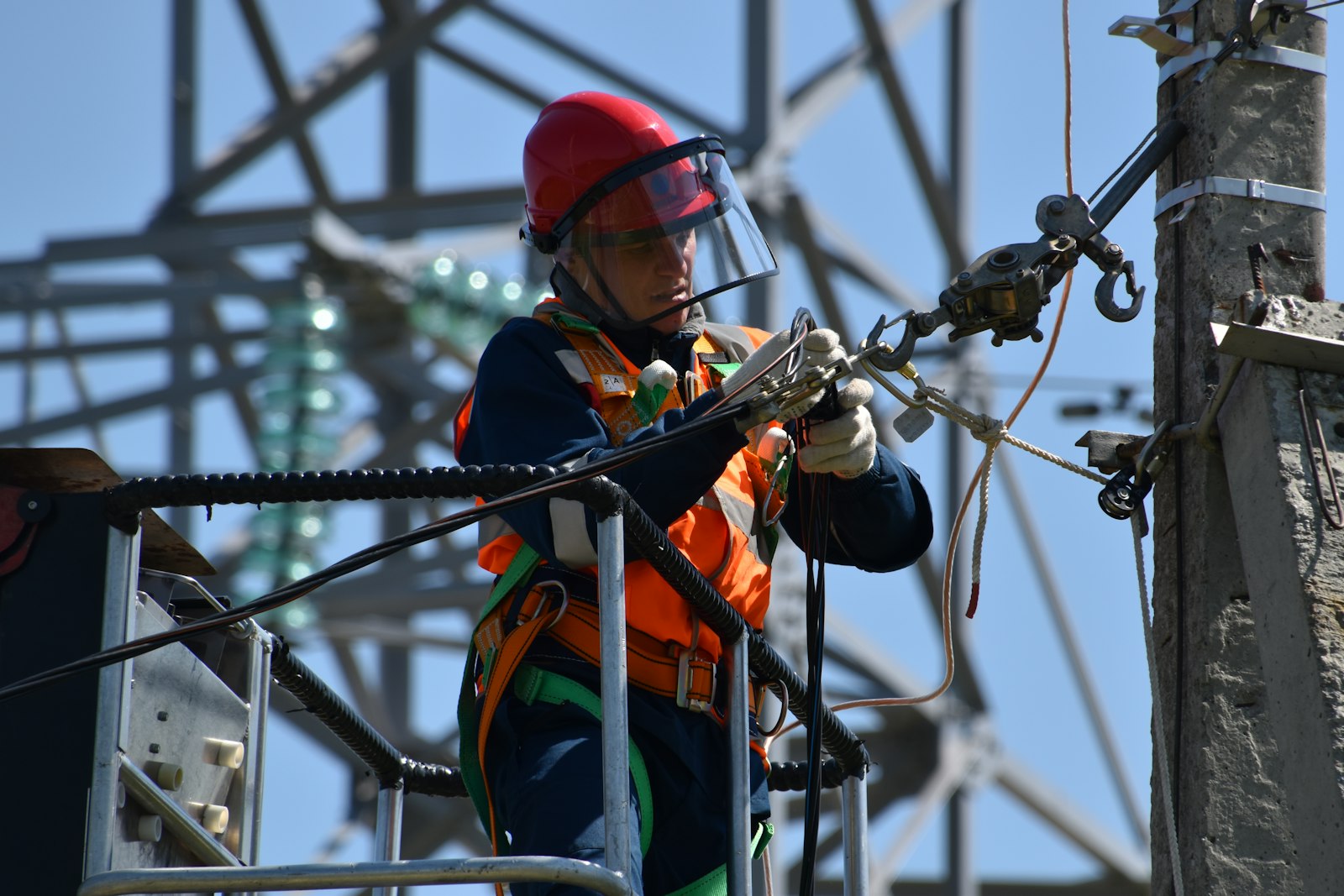
Industrial Control Systems Technician. These technicians program, troubleshoot, and maintain PLCs that automate everything from bottling lines to thermal processing. They command $70,000 to $85,000 because downtime is expensive, a single failed sensor means lost production. Entry typically requires NCCER certification or an associate degree in electronics or industrial technology, plus practical experience. Many technicians start in general maintenance and specialize inward. Industrial controls training builds the foundation you need.
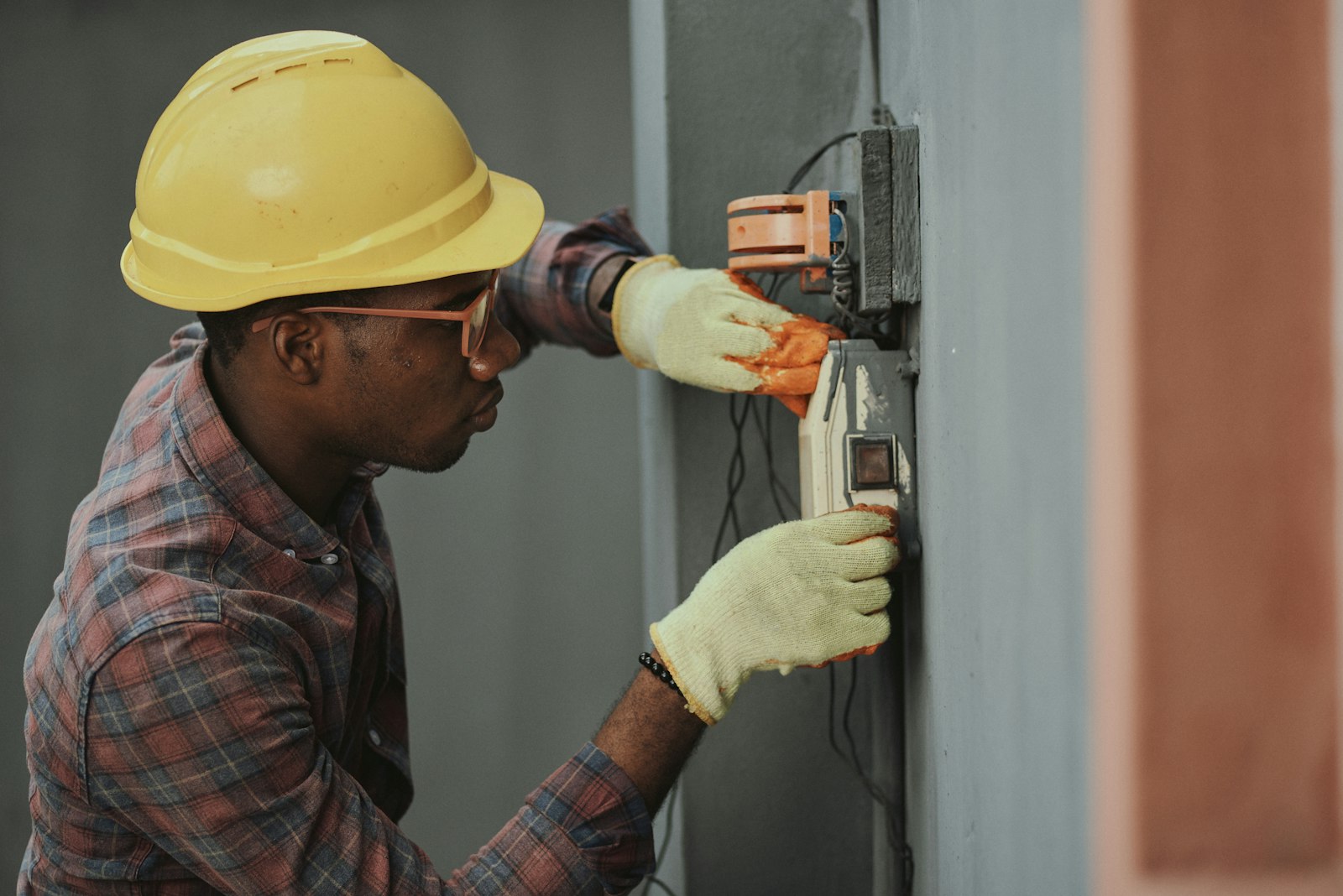
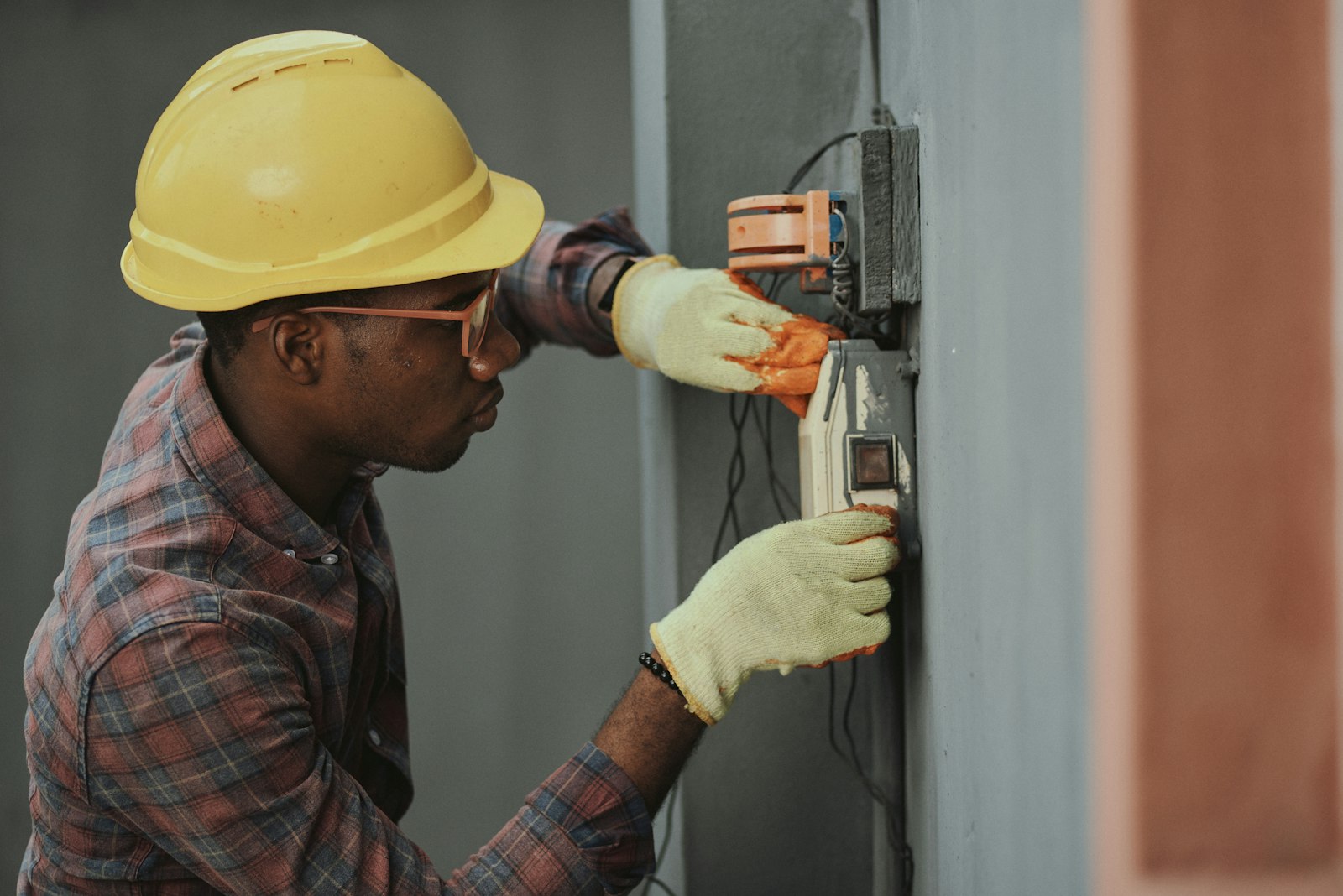
Electrical Technician (Commercial/Industrial). Electrical technician salary spans $65,000 to $82,000 with NATE and ASE certifications, especially in energy infrastructure, utilities, and large industrial facilities. The work ranges from installing high-voltage distribution systems to troubleshooting three-phase motor controls. Apprenticeship or formal trade training is nearly always required. Electrical technician pathways connect you to employers seeking these skills.
HVAC Technician. The refrigeration and heating industry is mature and well-established. EPA 608 certification (required by the U.S. Environmental Protection Agency to work with refrigerants) is non-negotiable, and it directly correlates with wage increases. HVAC technician salary ranges from $40,000 to $50,000 at entry; experienced technicians with customer-facing skills can reach $65,000 to $75,000. Many states also require a state license. The field is stable, regional demand is steady, and the work is skill-based rather than credential-heavy. HVAC training programs meet employer standards nationwide.
Preventive Maintenance Technician (Predictive Focus). As manufacturers adopt condition-monitoring systems, technicians who read vibration analysis, thermal imaging, and CMMS alerts command attention. SMRP (Society for Maintenance and Reliability Professionals) and CMRP (Certified Maintenance and Reliability Professional) certifications distinguish top earners, with salaries ranging from $60,000 to $80,000. The learning curve is steep, you need to understand mechanics, electrical basics, and data interpretation, but the field is growing. Maintenance and reliability training accelerates your path to these roles.
Pneumatic and Hydraulic Systems Technician. Industrial air and fluid-power systems power everything from automated warehouses to manufacturing presses. Technicians specializing in air compressors, pneumatic controls, and hydraulic troubleshooting earn $50,000 to $68,000, with demand concentrated in automotive, aerospace, and heavy equipment sectors. Air Compressor Technician training is available in modular courses for those building this specialty.
Data Analyst Technician (Manufacturing). A newer category: technicians who extract insights from production data, ERP systems, and real-time dashboards. Median salaries range from $65,000 to $82,000. This role bridges traditional trades and IT, requiring both mechanical intuition and spreadsheet literacy. Data Analyst Technician training focuses on CMMS analysis, root-cause reporting, and KPI interpretation.
Renewable Energy Technician (Solar/Wind). As grid modernization accelerates, technicians maintaining solar arrays, inverters, and small wind systems earn $55,000 to $75,000. Growth is brisk. Entry typically requires a high school diploma plus employer-sponsored training; some roles prefer OSHA 10 certification for safety compliance. Solar and renewable energy training prepares you for this high-growth sector.
Electrical Building Systems Technician. Smart buildings, fire suppression controls, automated HVAC, and integrated security systems require technicians who understand electrical codes, networking, and troubleshooting across multiple systems. Salaries cluster around $60,000 to $78,000, with higher pay in urban markets and commercial real estate hubs.
Welding and Fabrication Technician (Advanced). Not pure welding, but technicians who weld AND interpret blueprints, perform quality inspections, and understand materials science earn $55,000 to $72,000. AWS (American Welding Society) certifications add credibility.
Manufacturing Production Technician (Specialty Processes). Roles in specialized processes, vacuum coating, precision machining, chemical processing, span $48,000 to $70,000 depending on the sector and hazard level. EPA 608 or OSHA certifications often apply.
Equipment Maintenance Technician (OEM Support). Technicians authorized to service specific equipment (industrial ovens, CNC machines, printing presses) earn $52,000 to $75,000. OEM certification and product-specific training are the entry gates.
The highest paying technician specialization reflects three forces: scarcity, criticality, and downtime cost. These factors create wage gaps that aren't random.
Semiconductor technicians earn more because the skill is scarce (only a few dozen fabrication plants exist in North America) and the cost of a mistake is catastrophic. A single error in wafer processing can destroy an entire batch. When your mistake can cost $500,000 in scrap, employers invest aggressively in retention and compensation.
Similarly, control systems technicians earn premiums because they're rare, hard to find, and hard to replace quickly. Most manufacturers don't have five of them on staff; they have one or two. If that person leaves, production may stall. That scarcity is sticky because the training barrier is real, you can't train someone into PLC expertise in six weeks.
Predictive maintenance specialists are in high demand because manufacturers are finally waking up to the ROI. A $10,000 predictive-maintenance system that prevents a $200,000 unplanned shutdown is the math every plant manager understands. Technicians who can read that signal earn more because they're solving a problem that directly impacts the bottom line.
Data analyst technicians are newcomers to the wage table. Five years ago, this role barely existed. Now, as manufacturers adopt real-time monitoring and ERP systems, the ability to extract intelligence from production data is a superpower. These technicians aren't IT professionals; they're production people who learned to think with spreadsheets. That hybrid skill set is uncommon and valuable.
HVAC, by contrast, is a mature, competitive field. Wages are solid but not spectacular because the field is well-established, training is accessible, and the barriers to entry are lower. That's not a weakness; it means job security and a clear, approachable path into a stable career.
Certifications are wage multipliers. A technician with EPA 608 earns 15% to 25% more than one without it (among HVAC professionals). A CMRP-certified maintenance technician typically out-earns non-certified peers by $8,000 to $15,000 annually.
The reason is simple: certifications signal that you've cleared a threshold that others haven't. EPA 608 isn't hard, but you have to study, take the test, and pass. Not every HVAC tech bothers. Those who do get better job offers and higher hourly rates. Employers use certifications as a shorthand for "this person knows what they're doing."
EPA 608 (HVAC refrigerant handling) is the floor credential for HVAC work. It's required by federal law to handle refrigerants. Cost and effort are modest; the payoff is real.
NATE (electrical systems) certifications in areas like general electrical, HVAC controls, and advanced concepts are recognized across the industry. Many commercial HVAC and controls employers prefer or require them.
CMRP and SMRP (maintenance professionals) signal deep competency in maintenance strategy and reliability. These are harder credentials, they require years of experience and exam preparation, so they command respect and higher salaries.
OSHA 10 and 30 (safety) are increasingly common, particularly in manufacturing and energy sectors. OSHA 30 signals that you've invested time in safety leadership and is worth $3,000 to $5,000 more annually in many roles.
NCCER (National Center for Construction Education and Research) certifications in electrical, HVAC, and industrial technology are recognized across sectors and required for many apprenticeships.
ASE (Automotive Service Excellence) if you're in mobile or vehicle maintenance; widely respected across shops.
AWS (American Welding Society) certifications for welders and fabrication specialists; required for certain industries (aerospace, pipeline).
The strategy: choose a certification that aligns with your target role, not just any credential. An air compressor technician doesn't need NATE electrical; they need SACA (Smart Automation Certification Alliance) or manufacturer-specific training. The right credential is a wage multiplier. A random credential is just a line on your resume.
The wage curve tells a story about how technician careers develop.
Entry level (0-2 years). Most technician roles start at $35,000 to $48,000, often with limited benefits and task-focused work. You're learning; employers pay accordingly. Many entry-level roles are in facilities, maintenance shops, or apprenticeship programs.
Early career (2-5 years). With certifications and experience, you move to $48,000 to $62,000. You're more autonomous, you handle complex troubleshooting, and you may start mentoring new hires. HVAC, electrical, and general maintenance live in this band.
Mid-career (5-10 years). Specialist roles, certifications, and sector concentration push salaries to $58,000 to $75,000. You might become a lead technician, a trainer, or a specialist in one system (controls, hydraulics, data). This is where the highest earning curve accelerates.
Senior/expert (10+ years). The top earners, $70,000 to $95,000, typically combine experience with specialization, certifications, and soft skills (team leadership, customer relations, technical authority). A 12-year veteran semiconductor technician with a track record of process improvements or a predictive-maintenance specialist known across a plant earns top dollars.
One note: salary progression is not automatic. Staying in the same role at the same employer for eight years does not guarantee the full arc. You advance by changing roles, seeking higher-level positions, earning certifications, and moving to new employers (often at higher pay). The strongest trajectory involves deliberate skill-building, not just time-on-the-job.
Not all high-wage technician roles demand 60-hour weeks or emergency callouts. Some do, but not all.
Day-shift, salaried roles in manufacturing (control systems, data analysis, process engineering) often offer predictable schedules. You work 7 to 3 or 8 to 4, Monday through Friday, with planned on-call rotations. Many technicians in these roles report good work-life balance.
Preventive maintenance and reliability roles similarly offer structured hours because the goal is to fix problems before they become emergencies. A technician running vibration analysis or thermography is working on a planned schedule, not responding to breakdowns.
Renewable energy technicians often work day shifts during install and maintenance seasons, with some regional variation. Solar technicians, for example, may have busier seasons in spring and fall.
HVAC can be feast-or-famine: crazy busy in summer and winter, slower in spring and fall. Many HVAC shops offer year-round work and reasonable schedules, though service calls mean some evening and weekend work.
Semiconductor and electrical specialists in dedicated facilities or utilities often enjoy stable day shifts and rarely get emergency callouts because the systems are designed for planned maintenance.
The tradeoff: shift work and emergency response do exist in technician roles, and they often pay premiums (overnight differential, emergency bonuses). If you have family obligations or prefer consistent hours, choose your specialization accordingly. Day-shift, salaried positions exist and pay well, they're just more competitive to land because everyone wants them.
Use this ranked comparison to weigh median pay against entry requirements, key certifications, and demand trend across the top technician tracks in 2026.
| Technician Role | Median Salary Range | Entry Point | Certification | Demand Trend |
|---|---|---|---|---|
| Semiconductor Technician | $75K–$95K | Associate degree + on-the-job training | Manufacturing certificate | High & growing |
| Industrial Control Systems | $70K–$85K | Associate / apprenticeship | NCCER or NATE | High |
| Electrical (Commercial/Industrial) | $65K–$82K | Apprenticeship | NATE, ASE | Steady |
| Data Analyst Technician | $65K–$82K | High school + analytics training | MSSC CPT or CMMS training | Very high & new |
| Preventive Maintenance (Predictive) | $60K–$80K | High school + trade training | CMRP, SMRP | High & growing |
| Renewable Energy Technician | $55K–$75K | High school + OEM training | OSHA 10, manufacturer cert | Very high & growing |
| HVAC Technician | $50K–$75K | Apprenticeship | EPA 608, state license | Steady |
| Pneumatic / Hydraulic Systems | $50K–$68K | High school + trade training | Manufacturer-specific | Moderate & stable |
| Building Systems (Electrical) | $60K–$78K | Associate + trade training | Electrical license, NATE | Steady |
| Manufacturing Production (Specialty) | $48K–$70K | High school + on-the-job | OSHA 10, material-specific | Moderate |





The technician roles that pay the most aren't accidents, they're roles where your expertise directly prevents costly problems. Semiconductor fabs pay high wages because one misaligned process costs half a million dollars. Control systems technicians earn premium pay because downtime is expensive. Predictive maintenance specialists command attention because they catch failures before they cascade.
If you're deciding which specialization to pursue, earnings matter, but so do interest and aptitude. A bored semiconductor technician is a short-term hire. An engaged HVAC technician with EPA 608 is someone who builds a 20-year career. Pick a role that aligns with how you like to solve problems, whether that's electrical troubleshooting, fluid systems, data patterns, or comfort systems, and then invest in the certifications that add the highest pay in that specialty. The wage gap between entry and expert is real and substantial, but it's built on skill, not seniority alone.