.svg)

.svg)
The right technician certifications can change your career. Knowing what credentials matter in your field is the foundation of a strong career move.
Technician certifications are credentials that verify your skills and competency in a specific trade. Some come from industry bodies like ASE (Automotive Service Excellence) for auto repair or EPA (Environmental Protection Agency) for HVAC work. Others are licenses issued by state boards. Some are legally required to practice; others are industry-expected even when not mandated by law.
You don't have to figure this out alone. Unmudl offers training options to help you earn credentials faster.
If you're exploring technician roles and asking what certifications you need, you've come to Technicians of America for straight answers about job requirements and compensation. We show role visibility, wage data, and demand trends. In this guide, we walk through the most common technician certifications by role, explain the differences between credentials, and show you how to get started.
The technician economy is growing. Jobs are available. Getting there means understanding which credentials matter for your specific role, how long they take, and what comes next. Let's begin.
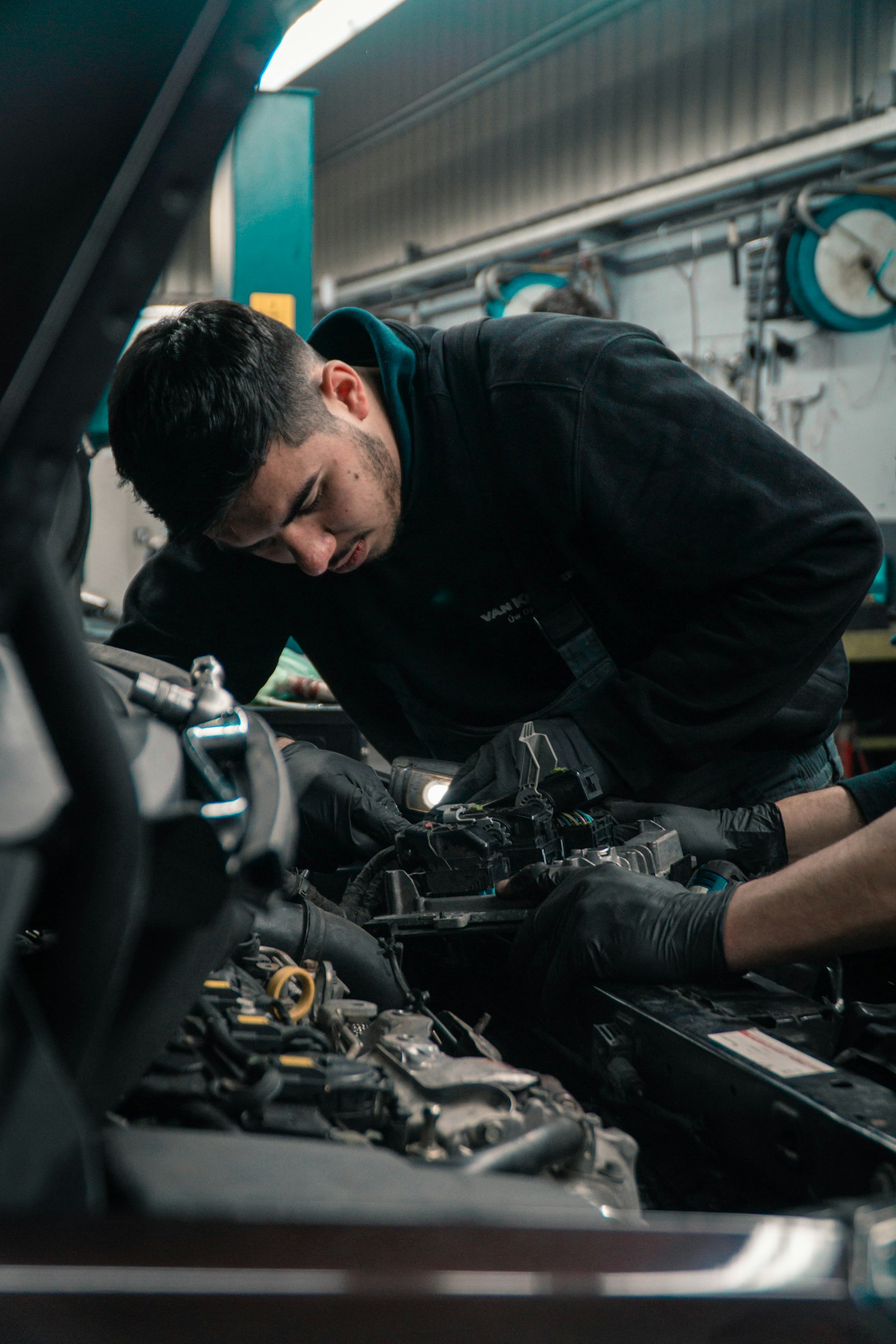
ASE (Automotive Service Excellence) certification is the gold standard in automotive. If you work on cars, trucks, or fleet vehicles, ASE tells employers you've passed a rigorous exam in a specialty like engine repair, brakes, electrical systems, or transmission. It's not a legal requirement, but employers almost always expect it. Many shops won't promote you to senior tech or mentor roles without it.
EPA 608 certification is the legal requirement for handling refrigerants in HVAC work. Federal law mandates this credential. You can't legally recover, recycle, or dispose of refrigerants without it. Some technicians get Section 608 Universal, covering all refrigerant types; others get category-specific certs. Either way, it's non-negotiable in that trade.
Then there are trade-specific credentials. Electricians pursue state licenses through apprenticeship or trade school. Plumbers follow similar paths. Welders earn certifications from AWS (American Welding Society). CNC operators might pursue Mastercam or Haas certifications. Each specialty has its own credential landscape.
What ties these together? They all prove competency. Employers trust certified technicians because independent testing verifies knowledge and hands-on skills. Check out Technicians of America's role guides to see which credentials match your trade.
Different trades have completely different paths. Here's how the major fields stack up:
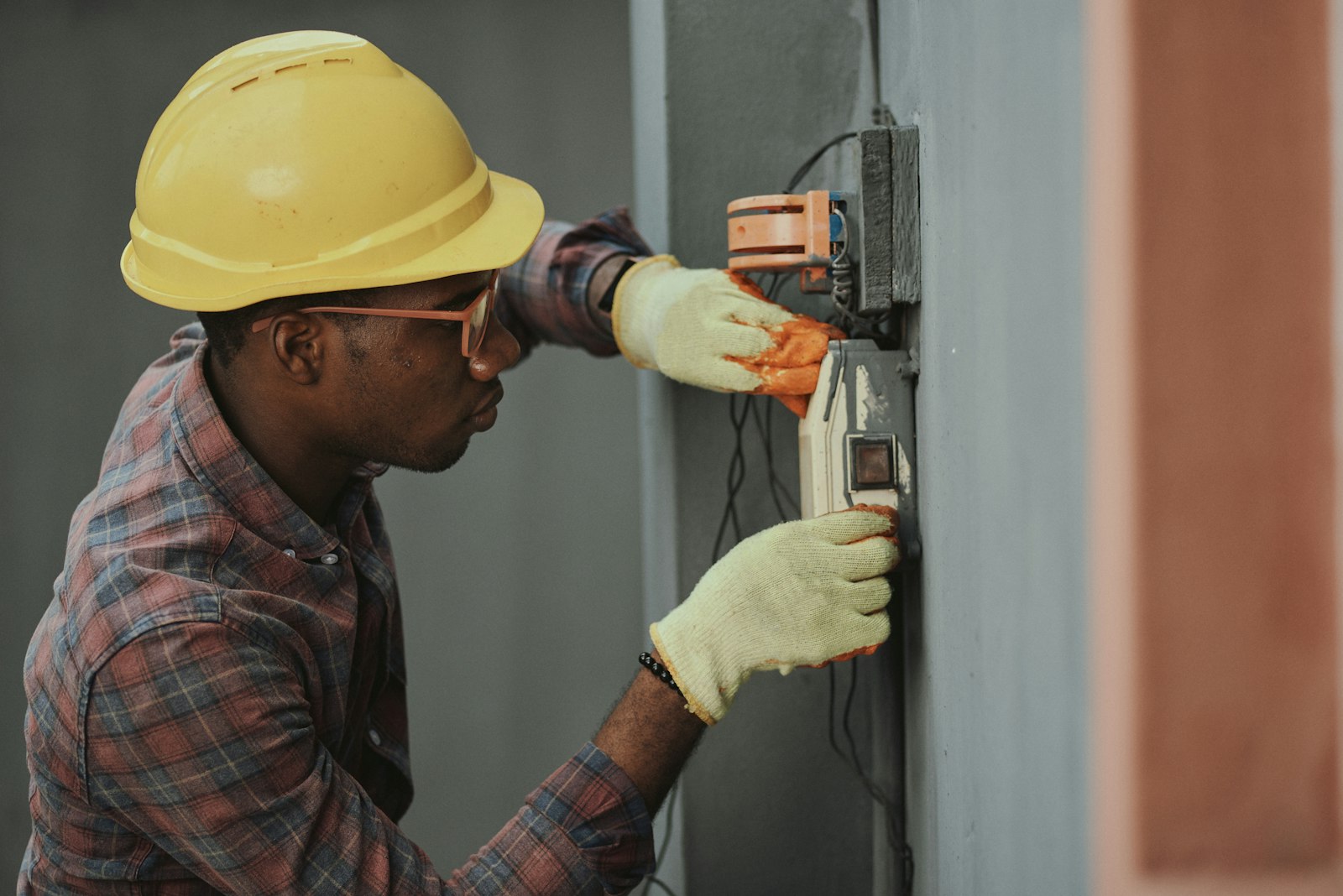
Electrician license requirements in most states follow a three-tier system. You start as an apprentice, learning on the job without a license. After logging 4,000 to 5,000 hours (depending on your state), you test for a journeyman electrician license. Many electricians stop there. Others pursue master electrician, which requires more hours and a harder exam, opening doors to starting your own business or leading large projects. This path takes discipline and commitment, but the payoff is substantial. Beyond the base license, continuing education keeps your skills sharp and meets state renewal requirements.
HVAC certification layers differently. You typically earn your EPA 608 Universal certification first, which takes 40 to 80 hours of study. Then you might pursue additional manufacturer certs from Carrier, Lennox, or Trane. These add to EPA 608, not replace it. A tech with EPA 608 plus three manufacturer certs is more hireable than one with EPA 608 alone. The field rewards continuous learning. Many employers value techs who stay current because HVAC systems evolve quickly, and newer equipment demands specific knowledge.

CNC operator certification varies. Some employers prioritize Mastercam certification (the software); others want G-code proficiency; still others train on the job. In competitive regional markets, a Mastercam cert gives you an edge, showing precision and programming competency. Many community colleges and trade schools offer these courses, and some employers will sponsor you to earn one while employed. For more on these specific paths, explore Technicians of America's advanced manufacturing resources.
Technician certifications require both study and hands-on practice. You can't rush them. But you can compress the timeline. Here's how to accelerate your path:
You finish with job-ready expertise and direct employment pathways. This isn't a replacement for formal licensing (an electrician still needs a state license), but it dramatically shrinks the gap between novice and hire-ready.
A license is a legal credential issued by your state or local government. You need it to legally practice a trade. Electricians, plumbers, and HVAC technicians in most states must be licensed. Working without one carries fines and criminal penalties. Licenses expire and require renewal through continuing education, usually every 2 to 3 years.
A certification is a voluntary credential issued by an industry body or testing organization. ASE, EPA 608, AWS, and Mastercam are certifications. They prove competency but are not legally required to work (except EPA 608 for refrigerant handling). However, employers often treat them as required or heavily prefer them. In many cases, having the right certifications is what gets you hired, even if they're not legally mandated.
The line sometimes blurs. EPA 608 is technically a certification, but federal law makes it a hard requirement for HVAC refrigerant work, so it functions like a license in practice. Understanding which credentials in your field are mandatory versus preferred shapes your training strategy.
What you need depends on your trade path. If you're in a licensed trade (electrician, plumber, HVAC in most states), pursue your license first, then layer certifications on top. If you're in a field like automotive or CNC operations where licensing is rare, certifications are your primary credential. Either way, more credentials usually mean more opportunities and higher wages.
Technician licensing varies dramatically by state and trade. Electrician license requirements are among the most stringent, typically requiring thousands of hours of documented apprenticeship. However, some states offer alternative paths through trade school completion. Similarly, HVAC technician licensing requirements differ by state; some states mandate licensing for all HVAC work, while others only require it for certain services like refrigerant handling. Before you invest in your career path, check your state's specific requirements with your local licensing board. This prevents wasted training on unnecessary credentials while ensuring you complete everything legally mandated.
Beyond time, technician credentials require financial investment. ASE certification exam fees run $100 to $200 per specialty. EPA 608 certification courses might cost $300 to $800 depending on the provider. Electrician licensing through apprenticeship often involves wage trade-offs during the learning period, though many apprenticeships are paid. Community college AAS programs typically cost $5,000 to $15,000 total, often with financial aid available. Manufacturer certifications from companies like Carrier or Lennox range from $500 to $2,000 per certification. Understanding these costs helps you plan your investment strategy and identify whether employer sponsorship is available.
Credentials aren't just entry tickets; they're career ladders. An electrician with a journeyman license can advance to master electrician status, which qualifies them to own their own business or supervise large crews. An HVAC tech who stacks multiple manufacturer certifications becomes a specialist commanding higher wages. An auto tech with several ASE certifications in different specialties can move into diagnostic roles or shop management. Each additional credential increases your marketability and earning potential. Many technicians earn $65,000 to $95,000 annually once they've accumulated multiple relevant credentials and field experience.





Technician certifications aren't obstacles. They're your resume. Each one says you've met a standard. Over time, they stack into credibility and earning power. Whether you pursue trade certifications for manufacturing or licensing for a regulated field like electrical work, the pattern is the same: credentials open doors.
The path forward depends on your role. An electrician's journey looks different from an HVAC tech's or a CNC operator's. But they all share one truth: employers want proof, and certifications provide it.
If you're unsure what certifications you need for your target role, Technicians of America is designed exactly for this. We show you real job titles, what techs actually earn, where jobs are hiring, and what credentials employers value. From there, you can plan your next moves with confidence by exploring Unmudl's training options to find the path that fits your timeline and goals.