.svg)

.svg)
Worried that a strong paycheck requires four years in a classroom and a mountain of debt? It doesn't. Skilled trades offer competitive income, job stability, and a path forward measured in months, not years. You can earn $60,000 or more annually while building a craft that industries desperately need. No six-figure student debt. No bachelor's degree required.
The labor market is clear: demand for skilled technicians outpaces the supply of trained workers. Whether you're changing careers, starting fresh after high school, or looking for something more stable than your current job, the trades offer real opportunities. The key is knowing which trades pay best and what timeline gets you there.
This guide maps the 15 highest-paying trade jobs accessible without a bachelor's degree, real training pathways, and how to start. Explore technician roles and regional demand to see where your chosen trade is in demand near you.
We identified the highest-paying trade jobs using occupational data from the Bureau of Labor Statistics Occupational Outlook Handbook and current labor trends for 2026. The focus is on roles accessible without a four-year degree, emphasizing those with strong 2034 employment projections and consistent above-average wages.
Salary figures are qualitative ranges, not fixed numbers, because earnings vary by region, employer, experience level, and specialization. An electrician in California earns substantially more than one in rural areas. A reactor operator at a major facility earns more than a technician at a smaller shop. What matters here is the earnings category and trajectory.
We also weighted future growth. The BLS projects steady demand for technicians through 2034, and we've prioritized roles where that growth is strongest. Finally, we considered barriers to entry. A trade requiring an expensive multi-year apprenticeship ranks lower than one offering faster, employer-sponsored pathways. The goal is to show you accessible options tied to real market demand.
Elevator mechanics install, repair, and maintain the systems that move people and goods vertically in buildings, transit systems, and industrial facilities. The work is hands-on: diagnosing hydraulic system failures, replacing worn components, and ensuring code compliance with strict safety standards.
Demand is steady across the economy. Buildings age and require maintenance; new construction continues. You'll work indoors, usually in climate-controlled environments. Pay scales are among the highest in the skilled trades, with experienced mechanics earning well into the $80,000 to $90,000+ range.
Entry requirements: Apprenticeship, typically 4 to 5 years, combining classroom instruction with paid on-the-job training. State licensure is required in many jurisdictions. Starting apprentices earn significantly less than experienced mechanics, but income grows steadily through the apprenticeship.
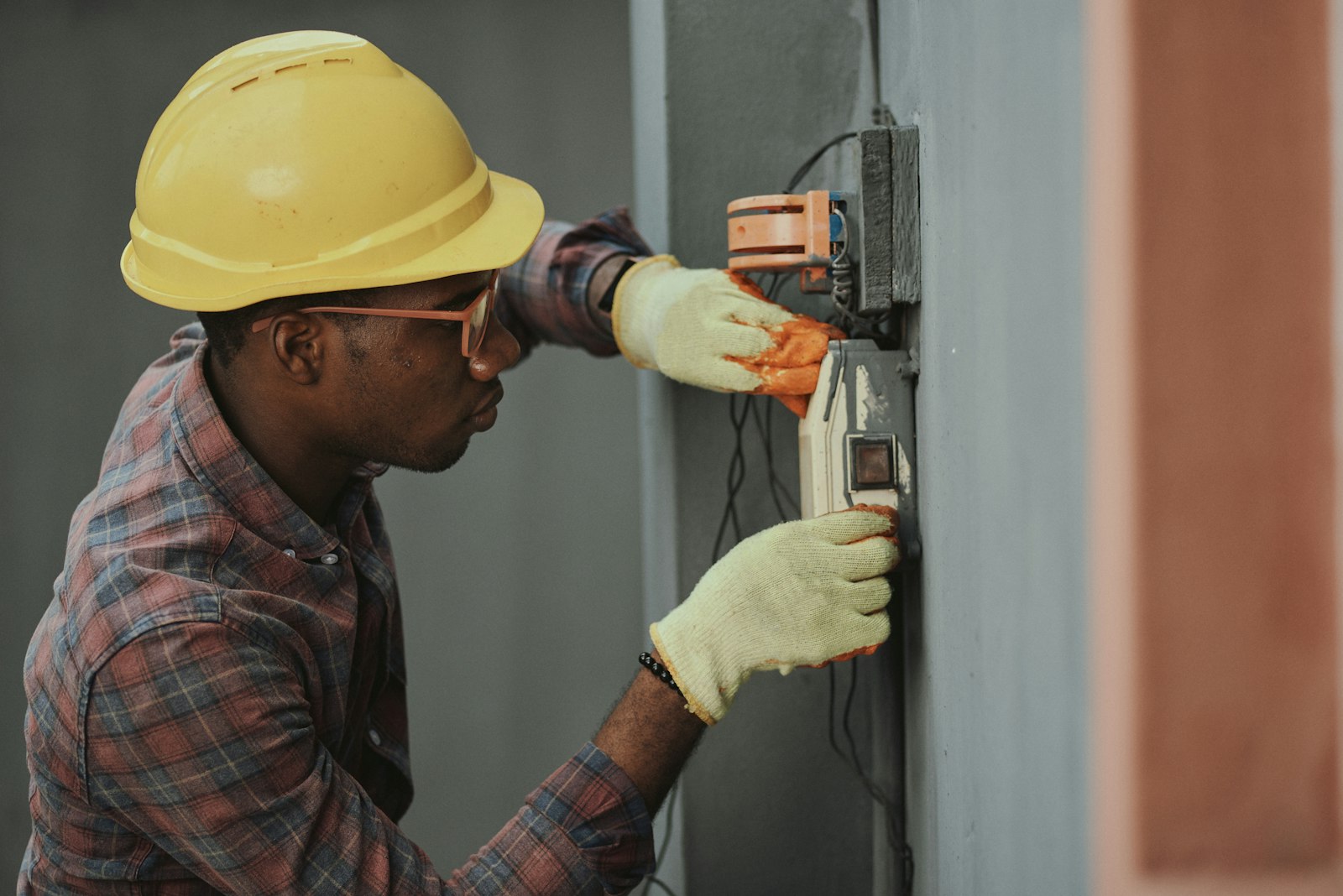
Electrical technicians install and maintain electrical systems in buildings, factories, data centers, and infrastructure. They work with wiring, control panels, motors, and increasingly with complex automation and safety systems. Troubleshooting failures (checking for shorts, testing continuity, diagnosing breaker trips) is a core daily skill.
Demand is consistent across sectors. Every structure needs electricity; every aging system needs upgrades or replacement. Outlook through 2034 is positive in residential, commercial, and industrial work. Wages vary by specialization. Residential electricians earn less than those working in industrial plants, data centers, or specialized fields like renewable energy installations.
Entry requirements: Most roles require a 3- to 5-year apprenticeship or dedicated trade school program. Certification through NCCER and OSHA 10 or 30 strengthen job prospects and earning potential.
HVAC technicians install and repair heating, ventilation, and air conditioning systems in homes, offices, hospitals, and industrial spaces. They diagnose refrigerant leaks, replace compressors, test airflow, and optimize system efficiency. The work blends mechanical skill with diagnostic problem-solving.
The field is recession-resistant. Every building needs climate control; aging systems require frequent service. Summer and winter drive peak demand and often higher wages due to overtime. Experienced technicians typically earn $50,000 to $70,000+, with specialists in commercial or industrial HVAC systems earning more.
Entry requirements: EPA 608 certification is mandatory for work involving refrigerants. A 2- to 4-year trade school program or apprenticeship plus the EPA exam opens most doors. NATE certification (North American Technician Excellence) adds credibility and can increase pay.
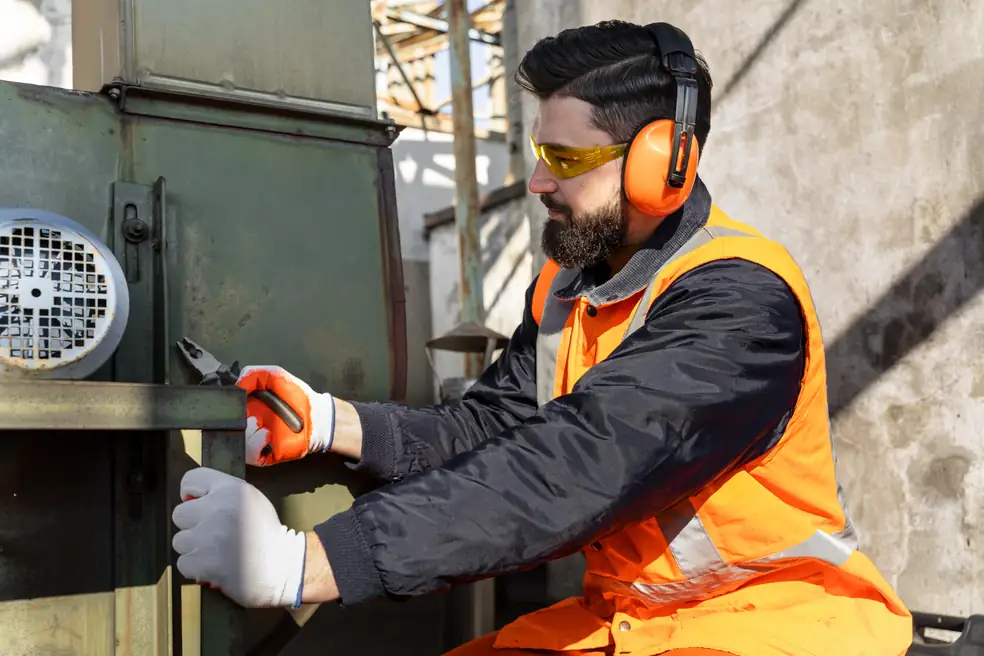
Plumbers install, repair, and maintain water supply, drainage, and gas systems in residential and commercial buildings. They cut and fit pipe, solder or weld joints, and use specialized diagnostic tools to locate leaks and blockages. The work is simultaneously physical and technical.
Plumbing demand is perennial. Water systems age and fail; plumbers work steadily through economic cycles. Income ranges from $50,000 to $75,000+ annually for employees, but many plumbers become independent contractors, setting their own rates and earning considerably more.
Entry requirements: Apprenticeship (4 to 5 years in most states) combining classroom instruction with paid field work. State licensure is required in all states. Many apprenticeships are union-affiliated, offering strong wages and benefits from the start.
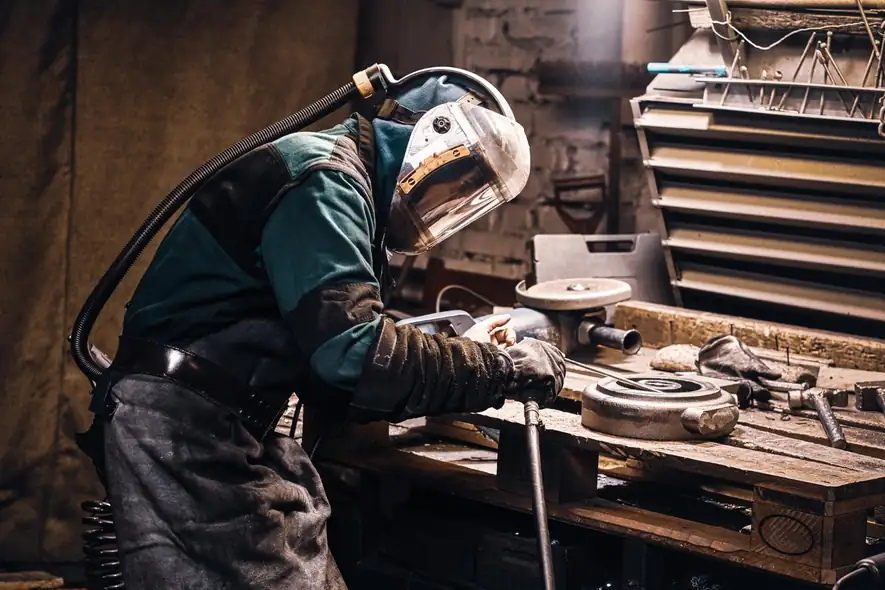
Welders join metal pieces using heat and pressure, creating permanent bonds for structures, machinery, vehicles, and pipelines. They work with various metals (steel, aluminum, stainless) and techniques (MIG, TIG, stick welding). Precision matters; a faulty weld can fail catastrophically under stress.
Demand is strong in manufacturing, construction, shipbuilding, and energy sectors. Pipelines, aircraft, ships, bridges, and industrial equipment all require welders. Outlook through 2034 is positive. Wages typically range from $50,000 to $75,000+ for experienced welders, with specialists in aerospace, subsea, or pressure vessel welding commanding premium rates.
Entry requirements: Trade school or apprenticeship (6 months to 2 years depending on intensity). AWS (American Welding Society) certification is valuable. Ongoing training in advanced techniques keeps you competitive and increases earning potential.
Industrial maintenance technicians keep manufacturing equipment and systems running. They perform preventive maintenance (inspecting bearings, replacing filters, lubricating joints), diagnose failures quickly, and repair or replace parts. In a single shift, they may work on mechanical systems, hydraulic circuits, and electrical controls.
Factories, refineries, power plants, and utilities all employ maintenance technicians. The work is critical; downtime costs employers thousands per hour, so reliability and speed matter. Pay is solid, typically $50,000 to $75,000 with strong benefits and overtime opportunities. Those earning SMRP or CMRP certifications often push into higher salary brackets.
Entry requirements: High school diploma plus trade school or paid on-the-job training. Many employers hire and train internally. MSSC Certified Production Technician (CPT) or SMRP (Society for Maintenance and Reliability Professionals) certification differentiates candidates and increases earning potential.
Power plant operators control machinery that generates and distributes electricity for entire regions. They monitor gauges and readouts, adjust controls, record performance data, and respond quickly to alerts. Responsibilities are high; equipment failures or errors affect thousands of people.
Power plants are aging nationwide, and nuclear plants especially face staffing shortages as experienced operators retire. Outlook is stable. Wages are among the highest in the skilled trades, often $70,000 to $90,000+ annually, plus excellent pension and benefits packages. Shift work and on-call duty are standard.
Entry requirements: High school diploma. Utilities provide extensive paid training (months to years). A license is required (issued by the Nuclear Regulatory Commission for nuclear plants). Many roles require security clearance. No prior power plant experience is expected; employers train.
Instrumentation technicians install, calibrate, and maintain sensors, gauges, and control systems that measure and regulate industrial processes. They work in manufacturing plants, chemical refineries, petrochemical facilities, and utilities. Attention to detail is essential; instrument drift or miscalibration can cascade through an entire process.
Demand is steady in process industries. As factories adopt automation and predictive maintenance strategies (detecting failures before they happen), instrumentation expertise becomes more valuable. Wages range from $55,000 to $80,000+, depending on industry complexity and employer size. Programmable logic controller (PLC) programming skills and advanced certifications push pay higher.
Entry requirements: Trade school or apprenticeship (2 to 3 years). Electronics knowledge is helpful. PLC programming and control system certifications strengthen prospects and earning power significantly.
Boilermakers construct, assemble, and repair large pressure vessels and boiler systems used in power plants, refineries, and manufacturing facilities. The work is heavy and skilled: cutting steel, welding joints, riveting assembly, and performing precision fitting. It's also inherently dangerous, so safety training and strict compliance are non-negotiable.
Demand is driven by infrastructure maintenance and power generation. Outlook through 2034 is positive, especially for maintenance work on aging systems. Wages are competitive, typically $60,000 to $85,000, reflecting the skill and physical risk involved. Union membership is common in major facilities, often providing even higher wages and benefits.
Entry requirements: Apprenticeship (4 to 5 years). Completion requires passing both technical exams and safety certifications. Union membership is often required in major industrial settings.
Pipe fitters install and repair piping systems carrying water, steam, gas, compressed air, or other fluids in buildings and industrial facilities. They read blueprints, measure and cut pipe, thread connections, and solder or weld joints. It's similar to plumbing but usually in industrial settings where pressures and specifications are higher.
Demand is consistent in manufacturing, power generation, and utilities. Wages range from $55,000 to $80,000+ annually, with industrial pipe fitting typically paying more than commercial. Some pipe fitters specialize in high-pressure systems or specialty gases (argon, hydrogen, helium), commanding premium rates.
Entry requirements: Apprenticeship (4 to 5 years) combining classroom and hands-on work. State licensure is required in most jurisdictions.
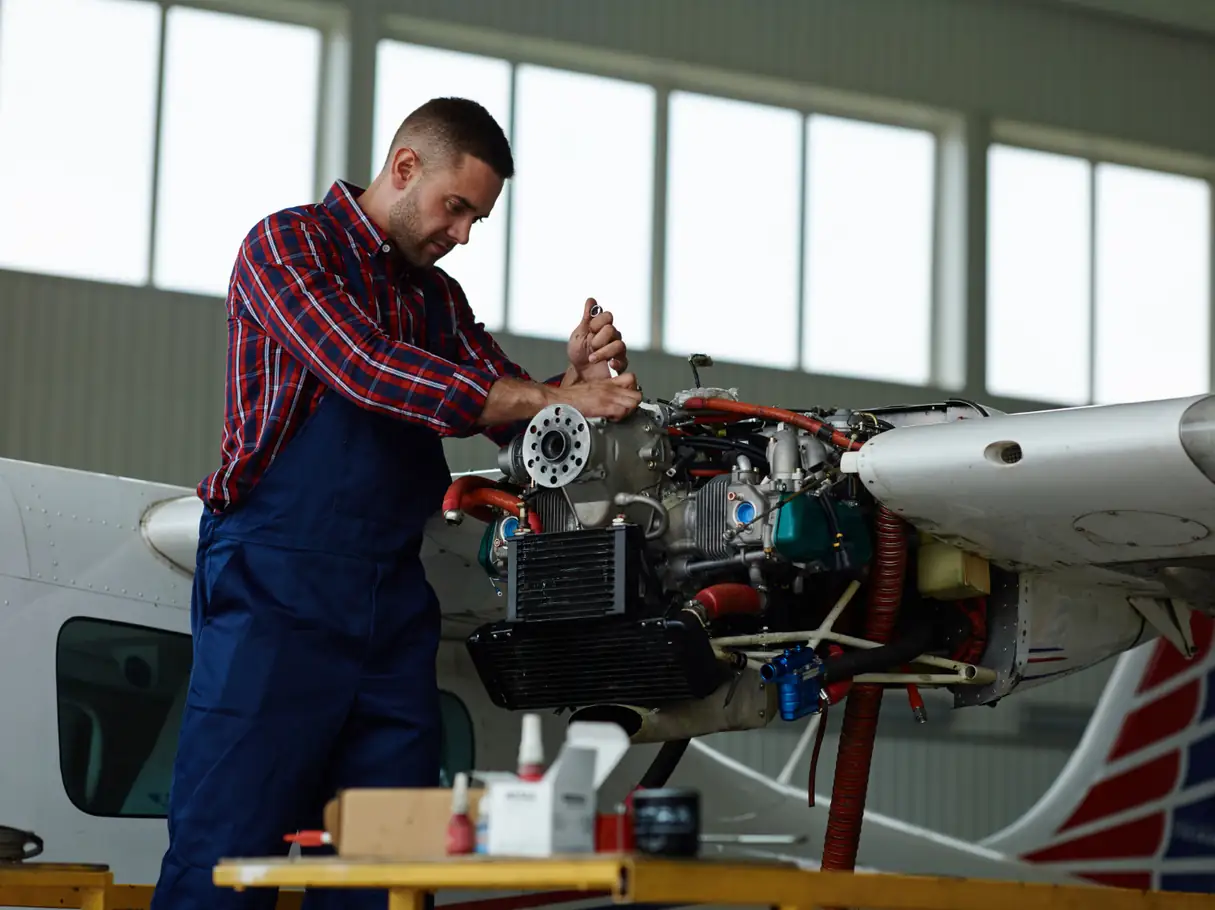
Aircraft mechanics inspect, maintain, and repair aircraft systems including engines, hydraulics, electrical systems, and structural components. The work demands precision; a single overlooked issue can jeopardize safety. They work for commercial airlines, manufacturers, military branches, and independent repair shops.
Demand is steady. Commercial aviation continues growing; the military is a major employer. Wages are solid, typically $65,000 to $85,000+, with experience and specialization pushing higher. Benefits and employment stability are strong.
Entry requirements: FAA Airframe and Powerplant (A&P) license is required. Trade school or military training followed by FAA exams is the standard path. Apprenticeship paths exist but are less common. Manufacturer-specific training (Boeing, Airbus, Embraer) adds significant earning potential.
Automotive technicians diagnose and repair vehicles using diagnostic equipment and hand tools. They perform maintenance (oil changes, tire rotation, fluid flushes), replace worn components, and troubleshoot electronic and mechanical systems. Computer skills matter increasingly as vehicles become more electronic and software-dependent.
Demand is steady, though the field is shifting as electric vehicles become more common. Wages range from $45,000 to $70,000+ depending on specialization and location. Independent shop owners often earn substantially more. Continued learning in electric vehicle systems and hybrid technology is increasingly important.
Entry requirements: High school diploma. ASE (Automotive Service Excellence) certification is the standard credential. Trade school or apprenticeship (2 to 3 years) is common. Manufacturer-specific training (Tesla, Ford, BMW) adds significant value and earning potential.
Nuclear technicians assist operators and engineers at nuclear power plants, monitoring systems, performing maintenance, conducting safety tests, and ensuring strict regulatory compliance. The work is highly technical and security-sensitive. Attention to procedure and safety protocols is absolute.
Demand is likely to grow as aging plants extend operation and new plants are built to meet clean energy demand. Wages are excellent, typically $70,000 to $90,000+ with comprehensive benefits. Shift work is standard. Job security is strong.
Entry requirements: High school diploma (some roles require additional education). Utilities provide extensive paid training. Security clearance is required. No prior nuclear experience is needed; on-the-job training is the norm.
Diesel mechanics repair heavy trucks, construction equipment, agricultural machinery, and industrial engines. They diagnose problems, rebuild or replace engines, and perform scheduled maintenance. The work is physically demanding and requires mechanical problem-solving skills.
Demand is strong in trucking, construction, agriculture, and mining. Pay ranges from $50,000 to $75,000+ annually. Owner-operators and shop owners can earn significantly more. Specialization in specific engines (Cummins, Caterpillar, Volvo) and advanced certification enhance income potential.
Entry requirements: High school diploma. Trade school or apprenticeship (2 to 3 years). ASE certification strengthens job prospects. Ongoing training in new diesel engine technologies and emission systems is necessary.
Control systems technicians install and maintain automated systems that regulate industrial processes. They work with programmable logic controllers (PLCs), sensors, software, and networking equipment to optimize manufacturing lines, power systems, and utilities. As factories adopt Industry 4.0 practices, this role becomes increasingly important.
Demand is accelerating as manufacturers automate operations. Wages are competitive, typically $55,000 to $80,000, with growth potential as you gain expertise. Remote monitoring and predictive maintenance (detecting failures before they occur) are emerging specializations that command premium pay.
Entry requirements: Trade school or apprenticeship (2 to 3 years). PLC programming knowledge is valuable. SACA (Smart Automation Certification Alliance) and MSSC CPT certifications are increasingly relevant.

The BLS projects steady expansion across skilled trades through 2034. Some categories are growing faster than others. Wind turbine technicians, solar panel installers, and network/fiber technicians are among the fastest-growing occupations. Traditional trades like electricians, plumbers, and HVAC technicians also show strong outlooks, driven by aging infrastructure and constant maintenance demand.
One pattern stands out: any trade tied to infrastructure maintenance or modernization will remain strong. Aging buildings, bridges, roads, and utilities require constant attention. New construction adds demand. The shift toward renewable energy is creating entirely new categories of skilled work. The broader economy also matters. Manufacturing regions need welders and maintenance technicians; energy-rich states hire heavily in power and nuclear; urban centers always need electricians and plumbers.
What this means for you: align your choice with your region's economy. Research what's actually hiring where you live or where you're willing to move. A welder in Michigan or Ohio has more opportunities than one in rural Montana. Renewable energy technicians are in high demand in states investing in clean power. Industrial maintenance technicians are in demand everywhere factories exist.
Not all skilled trades require the same time commitment. The fastest paths take weeks to months. The longest take five years or more. Understanding the difference helps you match training to your life circumstances.
Fast-track programs (weeks to months): Some trades offer compressed training. A welding program can be completed in 6 to 12 months of full-time study. A control systems technician course might take 12 to 18 months. These paths work if you can afford to study full-time without income or if your employer covers tuition. The trade-off: shorter programs may lead to lower starting wages compared to apprenticeships.
Apprenticeships (2 to 5 years): The classic model pairs classroom learning with paid on-the-job training. You earn money throughout, though starting wages are lower than experienced workers command. Apprenticeships in electrical work, plumbing, and boilermaking typically run 4 to 5 years. HVAC and diesel mechanic apprenticeships often run 2 to 3 years. Union apprenticeships often include health and pension benefits from day one.
Employer-provided training (months to years): Some employers (utilities, major manufacturers, the military) hire people with a high school diploma and provide paid training. Nuclear power plants train operators extensively, paying you throughout. No student debt. This path is common in industrial maintenance, power generation, and logistics.
Cost varies widely. A private trade school program might cost $10,000 to $30,000 total. An apprenticeship often costs nothing to the trainee; the employer pays and you earn from day one. This is crucial: apprenticeships flip the financial burden. You're paid to learn, not paying to learn.
Find Your Training Path The Unmudl marketplace connects working adults with technician training designed by employers. Explore specific courses, compare timelines, and find what fits your situation. Many programs are employer-sponsored, meaning no upfront cost to you.
Step 1: Choose your trade. Look at the 15 listed above and pick three that interest you. Talk to people working in those roles. Visit job sites and see what positions are hiring in your area. Regional demand varies; a boilermaker thrives in energy hubs, an HVAC technician is needed everywhere.
Step 2: Research local pathways. Most trades have multiple entry points. You might find a community college program, a private trade school, an apprenticeship, or an employer-sponsored training opportunity. Contact a few and ask: total cost, timeline, job placement rate, instructor experience, equipment and tools used, whether they partner with employers for placement. Programs that can name employers hiring their graduates are worth investigating.
Step 3: Check certifications required. Some roles (power plant operators, aircraft mechanics, nuclear technicians) have regulatory requirements. Others (electricians, plumbers) require state licensure. A few (welders, many maintenance technicians) operate with employer-specific or industry-standard credentials like MSSC CPT. Know what's mandatory versus what's nice-to-have before you enroll.
Step 4: Consider employer-sponsored training. Major manufacturers, utilities, and logistics companies often hire high school graduates and train them on-the-job, paying for tuition. This path eliminates your cost and guarantees job placement (you're already hired). If this appeals to you, apply directly to large employers in your field, or explore technician training through the Unmudl marketplace, where employer-designed programs are available.
Step 5: Secure funding if needed. Apprenticeships are free; you're paid. Trade schools range from $10,000 to $30,000. Some offer financing or payment plans. Federal and state grants, employer tuition reimbursement, Veterans benefits, and labor union sponsorship all help. Cost alone shouldn't stop you; multiple pathways exist.
Step 6: Commit and complete. Training is demanding work. You'll learn hands-on skills, pass exams, and prove competence under pressure. Most people who start training complete it successfully if they stay disciplined through the first three months (when many dropouts occur). Lean on your cohort, ask instructors questions, and remember why you started.
A skilled trade is a direct route to stable, above-average income without years of academic debt. Whether you choose electrical work, welding, HVAC, or any of the roles above, you're joining a workforce that's in demand and respected. The timeline is faster than a four-year degree, the cost is lower, and the income is competitive with or better than many bachelor's degree holders. Start by exploring roles that match your interests and your region's economy, research your entry pathway, and take the first step. Your next career is within reach.