


Your technician workforce is your competitive edge. That edge dulls when back pain, carpal tunnel, and exhaustion sideline your best talent. Physical demands in technician roles are measurable. Few hiring companies understand the full economic cost when skilled technicians leave due to injury or burnout. You lose institutional knowledge. You face recruitment delays. You reset productivity timelines. That's where understanding workforce value matters.
Recognizing the physical demands technician job involves, combined with health risks and sustainability factors, directly impacts talent pipeline strength, retention rates, and capital allocation decisions. This article breaks down the real physical challenges technicians face daily. It covers evidence-based injury prevention strategies that work. It connects long-term career sustainability to workforce ROI. Companies that invest strategically in worker health and safety see measurable improvements in retention, performance metrics, and hiring stability. Explore Unmudl's approach to building sustainable technician pathways.
Physical demands in technician work refer to the sustained exertion required across a full career. This includes lifting, repetitive motion, awkward postures, and environmental stress that accumulate over years. Understanding these demands is foundational to building a workforce capable of long-term productivity.
When we talk about "physical demands," we mean the real, measurable work technicians perform daily. HVAC technicians crawl into attics and crawlspaces. They lift 50-pound compressors. They hold awkward overhead positions for hours. Automotive technicians slide under vehicles, twist their torsos to reach engine components, and grip tools with force that strains forearms and wrists. Electricians climb ladders while carrying equipment. They bend repeatedly to thread conduit. They maintain static poses while measuring circuits. Plumbing technicians work in confined spaces, use heavy equipment, and spend shifts moving between standing, kneeling, and bending positions.
These aren't light tasks. The Occupational Safety and Health Administration (OSHA) defines physically demanding work as tasks requiring sustained exertion, repetitive motions, or load handling above baseline thresholds. Most technician roles meet all three criteria.
What makes technician work uniquely demanding:
Your hiring data likely doesn't capture this depth. You see job titles and skills. You don't see the cumulative impact on a technician's body after five years, ten years, or a full career. You don't see the small compensations they make. They use their left arm instead of their right. They shift weight constantly to relieve pressure. They develop strategies to avoid painful motions. Those adaptations work short-term but often lead to new problems later.
Workforce value measurement changes this picture. When companies track health outcomes and career longevity alongside performance metrics, they discover something critical: the physical demands of technician work are a primary driver of workforce value.
Consider this. A technician hired at age 22 who works 30 productive years is worth significantly more than a technician who leaves the field at 40 due to accumulated joint damage and chronic pain. The difference isn't one technician. It's the gap between an experienced workforce and constant novice hiring cycles.
Companies that acknowledge physical reality and design work around it retain talent longer. Longer careers mean deeper expertise, stronger customer relationships, and measurable returns on hiring investment. Workers trained through competency-focused pathways that emphasize ergonomics from day one bring that foundational understanding to your team. Unmudl's training integrates body mechanics alongside technical instruction, creating a workforce that enters your organization already thinking about sustainable work practices.
The physical reality is this: technician roles demand bodies. How you acknowledge, support, and measure that reality determines whether you retain top talent or cycle through constant hiring and retraining.
Technician repetitive strain injury (RSI) is the silent killer of many technician careers, developing gradually without obvious onset. It develops gradually, often without a single acute injury. A technician performs the same gripping, twisting, or reaching motion thousands of times per year. After months or years, the tendons in the forearm, wrist, or shoulder become inflamed and painful. The pain starts mild, a dull ache at the end of the shift. Then it becomes sharp. Then it's there at the beginning of the shift and lingers into evening. By the time they seek medical help, the damage is often severe enough to sideline them for weeks or end their career entirely.
Back pain is the most common complaint among technicians. The Bureau of Labor Statistics (BLS) reports that technicians experience elevated back injury rates compared to national workforce averages. Lifting improperly, bending repeatedly, or twisting under load strains the lumbar spine and supporting muscles. The injury might be acute (a sudden sharp pain when lifting equipment) or chronic (developing over months of accumulated strain). Many technicians work through pain rather than report it, believing it's simply part of the job. That cultural acceptance costs companies later when pain becomes chronic and impacts performance, attendance, and safety judgment.
Shoulder and neck injuries plague overhead technicians. HVAC and electrical work often requires reaching above shoulder height or holding tools overhead. After months of sustained overhead positions, the rotator cuff muscles and tendon sheaths become irritated. The shoulder's range of motion decreases. Pain increases, especially with overhead motion. The technician's productivity drops, and their career path narrows.
Hand, wrist, and finger conditions develop from sustained gripping and vibration. Carpal tunnel syndrome, trigger finger, arthritis, and De Quervain's tenosynovitis reduce a technician's ability to perform fine motor tasks. That's exactly the capability they need.
Knee and hip damage accumulates from kneeling, squatting, and climbing. Technicians who spend shifts on their knees develop patellofemoral pain. Those who climb ladders repeatedly strain their hips and lower back.
Long-term consequences are measurable career impacts:
For hiring companies, this translates into real costs: recruitment and hiring, onboarding delays, loss of institutional knowledge, reduced team productivity, increased workers' compensation insurance premiums, and management time spent on transition planning.
Aging technician careers compound this vulnerability significantly, as accumulated wear increases injury risk. As technician populations age, accumulated wear builds. A 55-year-old technician with 30 years of repetitive motion has more vulnerability to acute injury than a 25-year-old. This creates a two-tier risk: you lose younger technicians to burnout early, and older technicians become more fragile despite their expertise.
Injury prevention isn't optional. It's economic necessity.

Smart injury prevention starts before a technician ever arrives at the job. It's built into training, tools, work design, team culture, and daily routines.
Body mechanics training is foundational technical competency. Technicians who learn proper lifting technique (bend knees, keep load close, engage core, pivot with legs not back) experience significantly fewer back injuries across their careers. Proper gripping technique (neutral wrist, distributed force) reduces hand strain and carpal tunnel risk. Correct overhead reaching postures (scapular stability, engaged core) protect shoulders. This isn't soft skills or wellness training. It's technical competency that extends careers and performance. Make body mechanics non-negotiable technical skill.
Ergonomic tools reduce strain without sacrificing quality. Instead of requiring technicians to work in cramped positions or use torque-heavy manual tools, smart companies provide power tools that reduce gripping force. They use work platforms that eliminate awkward bending. They keep frequently-used items at waist height. They provide protective wear like knee pads and back supports that reduce direct stress. Equipment carts and organization systems minimize carrying loads and repetitive reaching.
Job rotation prevents overuse of a single muscle group. A technician who spends mornings on detail work and afternoons on physical installation shifts which body parts are under demand. Over the course of a week, fatigue distributes more evenly instead of accumulating in one area. Even occasional rotation shows measurable benefits.
Recovery protocols matter more than most companies realize. Structured rest periods, stretching routines, and active recovery (light movement between heavy tasks) reduce inflammation and prevent micro-damage from accumulating into injury. Companies that build 10-minute stretching breaks or task rotation into daily schedules see measurable reductions in injury complaints and pain reports.
Preventive screening catches problems early, before they become career-threatening. Regular posture assessments, movement quality evaluations, and mobility checks identify which technicians are developing compensation patterns. Interventions at this stage prevent minor issues from cascading into serious injury.
Environmental design matters. Lighting, temperature control, noise reduction, and layout all influence injury risk. A technician working in poor light makes incorrect moves. A technician overheating or freezing loses focus. Layout that requires constant walking or bending adds strain.
Team culture is foundational. When technicians feel genuinely safe reporting pain, discomfort, or fatigue without penalty, companies can intervene early. Technicians who hide pain until it's severe are technicians you're about to lose. Creating a culture where reporting is encouraged, investigation is fair, and accommodations are provided is a retention tool.
The companies winning at this aren't spending dramatically more money. They're spending more strategically.
| Prevention Strategy | Primary Focus | Long-Term Benefit |
|---|---|---|
| Body mechanics training | Foundational technique for technician injury prevention | Injury rate reduction across career |
| Ergonomic tools | Equipment-based support | Reduced strain on joints and muscles |
| Job rotation | Workload distribution | Critical in physically demanding technician roles to prevent overuse of single muscle groups |
| Recovery protocols | Fatigue management | Inflammation reduction and micro-injury prevention |
| Preventive screening | Early intervention supporting technician long-term health | Catches compensation patterns before serious injury |
| Environmental design | Workspace optimization | Reduces contextual injury risk factors |
| Team culture | Safe reporting | Enables early intervention and accommodation |

Companies that truly understand workforce value systematically measure the relationship between health outcomes and job performance across their entire pipeline. Those that treat technician labor as a commodity don't.
TPV-Technicians™ benchmarking incorporates health-adjusted metrics that traditional HR systems miss:
When you track these metrics systematically, patterns emerge. You discover which technician roles carry the highest injury burden and longest recovery times. You learn which teams and locations have the longest career spans. You identify which hiring cohorts and training programs produce technicians who remain productive longest.
You also identify gaps. If your HVAC technicians average 12 years in role but electrical technicians average 6 years, that's a signal. The difference might be due to role design, local hiring market, training quality, management, or physical demand. You'll only know if you measure it.
This data informs capital allocation decisions. Should you invest $150,000 in power tools for your HVAC team? When you see that the investment reduces injury rates by 30 percent and extends average career span by 2 years, the return becomes clear: you're buying 50 additional technician-years of productive capacity across a 10-technician team.
In working with hiring teams, we've observed that companies recruiting from structured training pathways that emphasize body mechanics and ergonomics from day one see measurable improvements in retention metrics. Workers who enter your company already competent in injury prevention and sustainable work practices don't have a learning curve on fundamentals. They arrive with baseline competency and start contributing faster.
Regional workforce intelligence buyers use health-adjusted metrics to forecast supply risk. If HVAC technician roles in your region show declining average career spans (people lasting 3 years instead of 7), your talent pipeline is at risk. That early warning signal lets you adjust hiring strategies, wage offerings, benefits packages, and training partnerships before supply tightens.
The broader economic point: technician health isn't separate from workforce economics. It's central to calculating true return on your technician investment. Companies that build health and safety into hiring planning, training partnerships, workplace design, and performance benchmarking don't just reduce injury claims and workers' compensation costs. They build longer careers, retain more talent, develop deeper expertise, and deploy capital more effectively.
That's where technician work becomes asset-class logic.




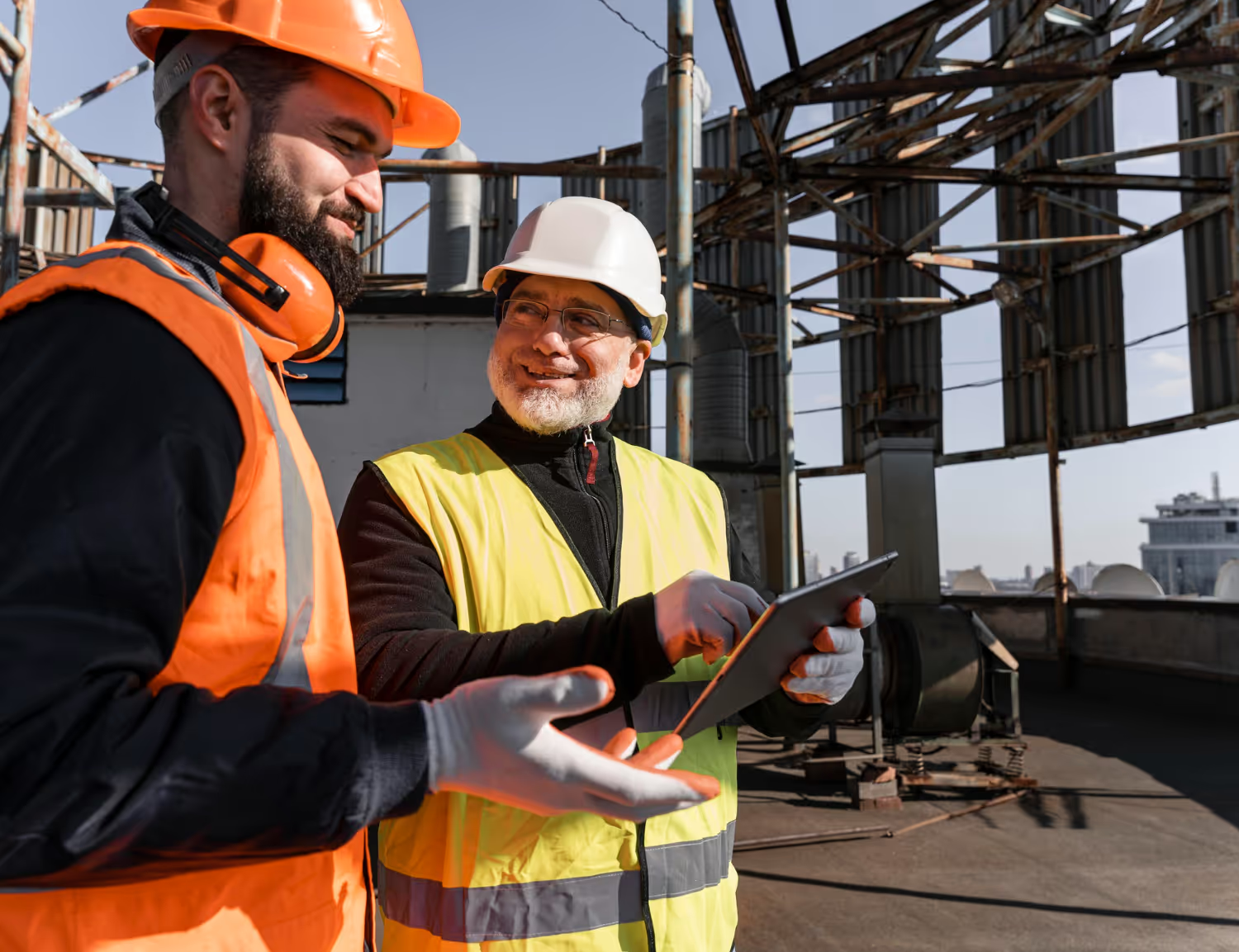
Your technician workforce is capital. Not a cost center. Capital. And capital assets require maintenance, protection, and strategic reinvestment. The companies winning at talent retention, workforce productivity, and measurable ROI aren't ignoring the physical demands of technician work. They're measuring it, understanding its impact, and designing work systems around it.
The physical demands are real. But they're manageable and measurable. When you combine smart workplace design, evidence-based training in body mechanics and ergonomics, proper equipment, and team culture that values worker health and safety, you extend careers by years. That means longer periods of productivity per hire, deeper expertise in your team, stronger customer relationships, and measurable returns on your labor investment.
That's not sentiment. It's economics. A technician who stays 10 productive years is worth significantly more than two technicians who each stay 5 years, even if both perform well. The first gives you continuity. The second gives you perpetual training cycles.
Start with your baseline metrics. Where are your current injury rates? How long do technicians actually stay in role before leaving due to health issues or burnout? What's your replacement cost for a skilled technician (total recruitment, training, productivity ramp, and lost knowledge)? What's your turnover cost relative to total technician payroll? Once you see those numbers, the investment in health-focused workplace design, training, and equipment becomes obviously rational.
The technician labor shortage is real. But it's not just about supply. It's about career longevity. If technician roles churn people through in 3 to 5 years due to injury and burnout, you can't build expertise or consistency. If you design work to sustain careers and invest in injury prevention, you build a workforce that performs longer and stays more stable. Build a sustainable, long-term technician pipeline through Unmudl's comprehensive training programs.
Compare duties, pay, skills and training paths for technician roles: