.svg)
.svg)
Choosing between trade school and an apprenticeship can feel overwhelming. Both lead to solid careers, good pay, and real job security. But they work differently. Trade school happens mostly in classrooms. Apprenticeships blend classroom learning with paid, on-the-job training. The choice comes down to your timeline, budget, and how you learn best. Whether you’re exploring careers as a student, switching paths, or advising family, understanding both options matters. This guide breaks down trade school or apprenticeship options so you can pick what fits your life and goals. Explore training options that combine speed with depth.
Trade school and apprenticeships are distinct training models. Trade school is formal classroom instruction, typically at a community college or trade school, running 6 months to 2 years with tuition costs upfront. Apprenticeships are paid, employer-sponsored work-based training programs that last 4–6 years, during which you earn wages from day one. Both produce skilled technicians; they differ in pace, cost, earning timeline, and how you spend your learning hours.
Trade school is classroom-based instruction. You attend classes at a community college or dedicated trade school, usually full-time or part-time. Most programs run 6 months to 2 years. You pay tuition upfront or finance it through loans. The school teaches you theory, hands-on skills, and industry certifications in a controlled environment. When you graduate, you hold a certificate or diploma and can start working immediately.
An apprenticeship is a work-based model. An employer hires you and pays you as an employee. A supervisor or mentor trains you on actual job sites while you work. You also attend classroom instruction, typically one or two days per week, directly tied to your job duties. Most apprenticeships run 4–6 years, though some trades require less or more. You earn a paycheck from your first day, though entry-level apprentice wages start lower than trade school graduate wages.
Which fits you? Apprenticeship vs trade school, the choice depends on your goals. Choose trade school if you want to move quickly, can pay upfront, and prefer structured classroom learning. Pick an apprenticeship if you want to earn while learning, value hands-on training from day one, and don’t mind a longer timeline. Many successful technicians have done both: apprenticing first, then taking specialized trade school courses to deepen expertise.

| Factor | Trade School | Apprenticeship |
|---|---|---|
| Duration | 6 months–2 years | 4–6 years |
| Cost | $15,000–$40,000 upfront | $0 (employer pays) |
| Starting wage | $35,000–$45,000 | $18,000–$25,000 |
| Total income (4–6 years) | Varies; may include unpaid training time | $100,000–$180,000 |
| Learning pace | Structured, classroom-driven | On-the-job, employer-mentored |
| Time to journeyworker status | Immediate post-graduation | 4–6 years of work-based learning |
Learn more about training options in your field.
Money is a real factor when picking your path. Here’s what each option actually costs.
The cost of trade school varies by location and program type. A certificate program at a community college might run $15,000–$25,000. Private trade schools often cost $20,000–$40,000. That’s money you need upfront or financed through loans. Many schools offer payment plans. Students often qualify for federal aid, grants, employer sponsorships, or tuition reimbursement. Veterans frequently receive benefits that cover most or all costs. Some schools offer tuition-free programs to military service members and their families.
Apprenticeships typically cost nothing. Many have zero tuition at all. Employers pay for your classroom training as a direct investment in your development. You earn a paycheck from day one. Apprenticeship pay for a first-year apprentice might be $18,000–$25,000, growing steadily as your skills progress and you take on more responsibility. Over 4–6 years, you could earn $100,000–$180,000 total, even starting below trade school graduate wages. You work the whole time, building real experience employers value.
The financial picture: Trade school gets you to a paying job faster. You might start earning $35,000–$45,000 by year two. Apprentices earn steadily from year one but may not hit those numbers until year four or five. Add up total income over five years, and apprentices often come ahead because they never stopped working. Trade school graduates earn more per hour sooner but have expenses and lost income during training. Both paths work financially. Explore financial assistance options to understand what’s available for your situation.
Time commitment matters. How long can you afford to be in training mode?
Trade school programs: How long trade school takes varies by program, but most run 6 months to 2 years. Some fast-track certificates take just 12 weeks. Others, like welding technician diplomas, might run 18 months. You’re typically in school full-time or part-time while working part-time or not at all. By year two, you’re job-ready and earning. This speed appeals to people who want to start earning and advance quickly.
Apprenticeships take longer: The apprenticeship timeline typically runs 4–6 years, though some trades require more or less. You spend roughly 2,000 classroom hours spread across those years, plus 8,000+ hours learning on real job sites. You’re paid the whole time, and employers invest deeply in your growth. By the end, you’re a journeyworker, a certified, experienced tradesperson with years of real-world experience and an employer who’s invested in keeping you.
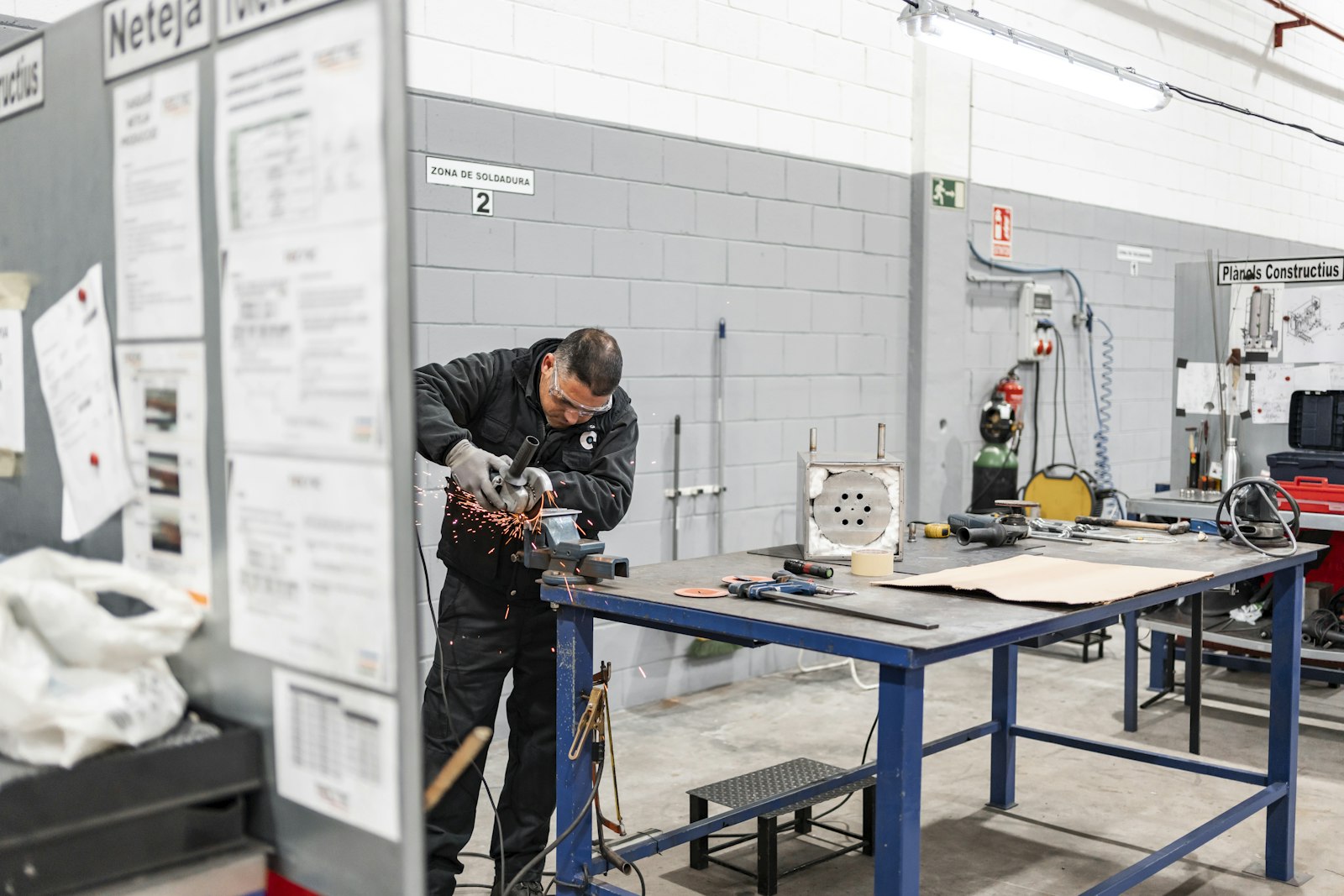
There’s a middle option: Unmudl’s accelerated programs, like the Mechatronics and Robotics Maintenance course, take weeks to months, not years. These Unmudl Originals deliver fast, targeted training for high-demand skills. You get the speed of traditional trade school with the depth employers want. Many hire straight from these programs or use them as springboards to apprenticeships.
Timeline winner? Trade school, if speed is critical. Apprenticeships win if you need to earn from day one and don’t mind a longer path. Some people combine both: apprenticing first, then taking specialized trade school courses to deepen expertise or move into supervision.
Let’s talk about trade school vs apprenticeship salary outcomes. What can you actually earn?
Trade school graduates often start faster and at competitive wages. An HVAC technician with a trade school certificate might earn $35,000–$45,000 in year one. An electrician or plumber could start at $40,000–$50,000. These jobs have strong regional demand, and employers actively hire graduates. As you gain experience and additional certifications, earnings grow to $55,000–$75,000+ within five years. Some technicians start their own businesses, which can be highly profitable if managed well.
Apprentices start lower but catch up and often surpass trade school graduates. A first-year apprentice might earn $20,000–$30,000. By year four or five, they’re making $50,000–$70,000+. By year 10, experienced journeyworkers earn $70,000–$100,000 or more, depending on the trade and location. Some specialize or move into supervisory roles, earning significantly more. The real win for apprentices is job security and loyalty. You worked for a company for years; they invested in you and want to keep you. Union backing often provides pensions, benefits, and long-term stability.
According to the U.S. Bureau of Labor Statistics, skilled trades face persistent demand, with technician positions expected to grow as experienced workers retire. Trade school graduates have more freedom to job-hop, which can mean higher pay but less security. An apprenticeship provides a deep relationship with your employer and industry peers. Check Technicians of America™ for real wage data and job demand in your region.
The right path isn’t one-size-fits-all. Use these steps to figure out which makes sense for you:





You don’t have to choose between fast and secure. The best path depends on your current situation, how you learn, and your goals. Trade school wins if you want to move quickly and fund your training efficiently. An apprenticeship wins if you value earning while learning and building deep industry networks over time.
The good news? You have options beyond the traditional two-year program or six-year apprenticeship. Some of the fastest, most focused training available takes weeks to months, not years. Unmudl’s accelerated courses bridge the gap between the two paths. You get real skills taught by industry experts in a timeframe that fits your life. Many employers recognize Unmudl training as a springboard to apprenticeships, specialized technician roles, or advanced positions. Whether you’re fresh out of high school, switching careers, or looking to add credentials, exploring what’s available makes sense.
The technician trades need people like you. Strong demand means employers are hiring, wages are competitive, and career paths are real. Start exploring available training options today toward a career that pays, respects your time, and builds a solid future for you and your family.