.svg)

.svg)
Walk the floor of a mid-sized manufacturing facility during a shift change. You'll spot the CNC operator checking dimensions on a lathe, the HVAC technician diagnosing a temperature spike in the control room, and the instrumentation tech calibrating pressure sensors. Each has a different specialty, different training path, different earning potential. This is the technician economy in 2026: specific, specialized, and in urgent demand.
Types of technicians span dozens of industries and skill sets, but only a handful dominate the job market. This guide profiles 12 of the most sought-after technician specializations. You'll explore traditional roles like HVAC and electrical work, plus emerging niches like semiconductor manufacturing and renewable energy. Whether you're exploring a career shift or evaluating demand in your region, understanding these roles helps you spot opportunity. Getting trained in one of these specializations can mean a paycheck within months. Unmudl partners with community colleges to offer short-form technician courses, giving you pathways from certification to hire.
CNC (computer numerical control) technicians operate and maintain automated machining equipment that cuts, shapes, and finishes metal and composite parts. They read blueprints, set up machines, monitor production runs, and troubleshoot mechanical and software issues. In automotive, aerospace, and defense manufacturing, CNC technicians keep production lines moving.
The U.S. manufacturing sector has seen steady demand for skilled machinists and CNC operators. According to the Bureau of Labor Statistics Occupational Outlook Handbook, precision metalworking positions are expected to remain stable through 2034. Many employers offer on-the-job training, but foundational knowledge of CAD and G-code improves hiring prospects significantly.
Entry requirements: NCCER certifications in CNC machining are widely recognized. Some employers require or prefer high school diploma plus 6 months to 1 year of trade training.
Salary range: Median earnings typically fall between $40K and $55K annually, with experienced machinists in aerospace or medical device manufacturing earning higher.
HVAC (heating, ventilation, and air conditioning) technicians install, repair, and maintain climate control systems in residential, commercial, and industrial buildings. They diagnose refrigerant leaks, replace compressors, recalibrate thermostats, and perform seasonal maintenance. In any season, HVAC shops are busy.
Demand for HVAC technicians is strong and expected to grow through 2034. The BLS projects this field will see above-average job growth as building codes become stricter and systems become more complex. Energy efficiency retrofits, especially in commercial real estate, are driving additional demand.
Entry requirements: EPA 608 certification is mandatory in all 50 states to handle refrigerants. Many states also require trade licensing, which combines apprenticeship and exam. Some employers hire on-the-job learners and support certifications over time.
Salary range: HVAC technicians earn between $45K and $65K annually on average, with service managers and specialized commercial technicians earning more.

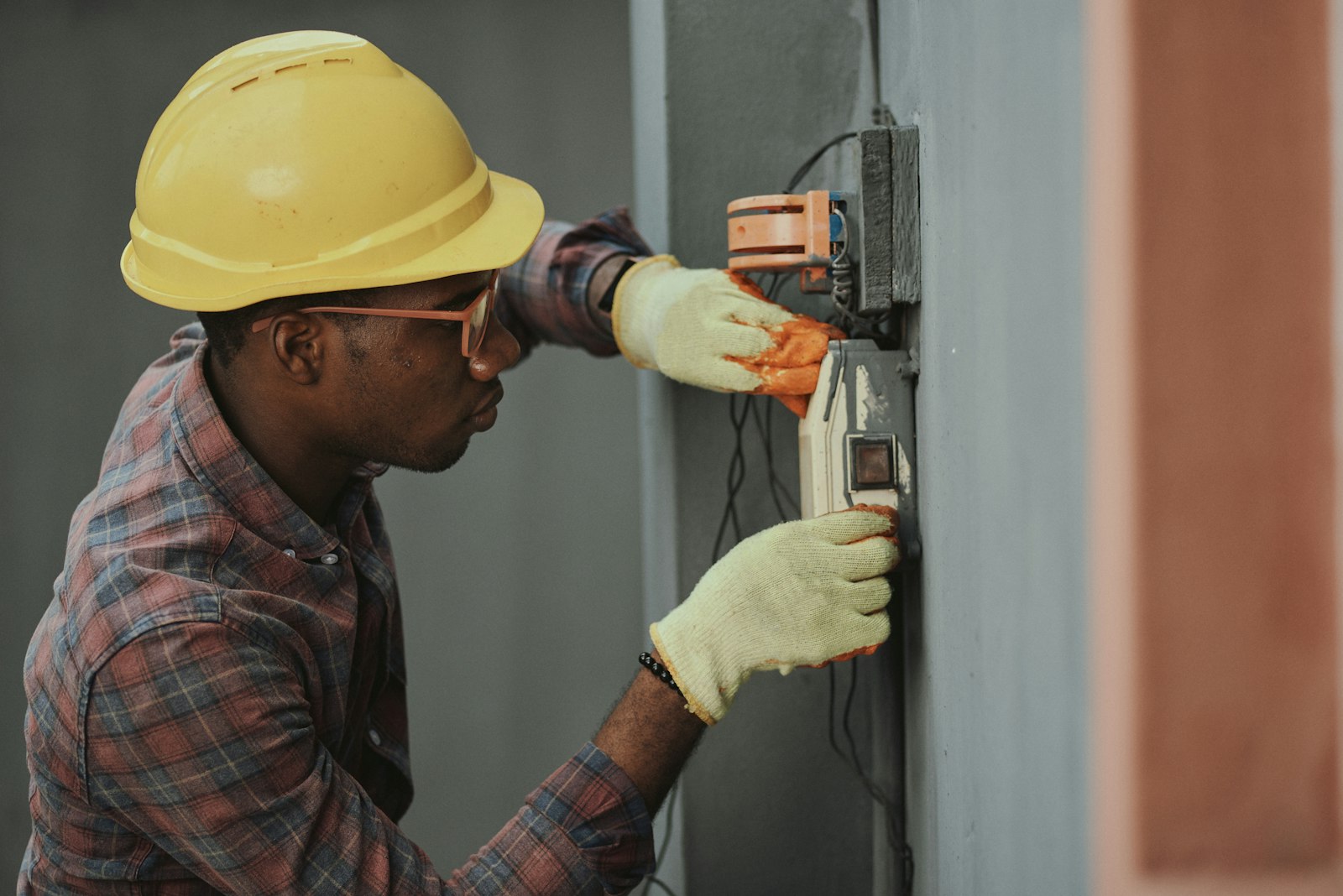
Electrical technicians install and repair power systems, control circuits, and lighting in commercial and industrial settings. They work with single-phase and three-phase equipment, troubleshoot PLC (programmable logic controller) systems, and ensure code compliance. Some specialize in renewable energy systems, solar installations, or electric vehicle charging infrastructure.
The electrical trades show consistent demand. Utility expansion, solar deployment, and industrial automation are creating more roles for technicians than traditional electrician apprenticeships can fill. The BLS data shows steady employment in electrical work through 2034.
Entry requirements: Apprenticeships typically combine classroom and on-the-job learning over 4 to 5 years, though some employers hire technician-track candidates with high school diploma and trade training. OSHA 10 certification is common.
Salary range: Electrical technicians earn $42K to $68K annually depending on specialization and region.
Automotive technicians diagnose and repair vehicles, from engine and transmission work to electrical and computer system diagnostics. Modern vehicles are rolling computers, so diagnostics now require scanner knowledge, software updates, and hybrid/electric powertrain understanding. Dealerships, independent shops, and fleet maintenance facilities all hire technicians.
Demand for automotive technicians is moderating as EV adoption shifts skill requirements. However, the installed base of internal-combustion vehicles remains large, and technician shortages persist in most regions. The transition to electric drivetrains is creating demand for retraining among experienced technicians.
Entry requirements: ASE (Automotive Service Excellence) certification is the industry standard. Most employers prefer high school diploma plus technical training, though some hire on-the-job learners.
Salary range: Automotive technicians earn between $38K and $58K annually, with master technicians at larger dealerships or fleet operations earning more.

Maritime technicians maintain engines, electrical systems, and structural components on commercial vessels, offshore platforms, and in shipyards. This includes diesel engine repair, welding, hydraulics, and compliance with maritime regulations. The work is specialized and geographically concentrated in port cities and Gulf Coast regions.
Demand in the maritime sector is driven by aging vessel fleets, offshore infrastructure, and naval shipbuilding. The BLS projects steady or growing demand through 2034, especially in Gulf region shipyards. Supply chain resilience has renewed focus on domestic maritime capacity.
Entry requirements: Most maritime roles require basic certifications like USCG Merchant Mariner credential and/or OSHA maritime training. Welding certifications (AWS) are valued; diesel engine training is often employer-provided.
Salary range: Maritime technicians earn $50K to $75K annually, among the higher-paid technician roles due to hazard pay and geographic scarcity.
Instrumentation technicians install and calibrate sensors, transmitters, and control systems that monitor process variables like pressure, temperature, flow, and level. They work with CMMS (computerized maintenance management systems), PLC programming, and 4-20mA signal loops in refineries, chemical plants, and food processing facilities.
Instrumentation is a high-skill, high-demand field. Chemical and petroleum refining, water treatment, and food manufacturing all rely heavily on instrumentation technicians. The BLS reflects steady demand for process technicians through 2034, and this specialty commands premium wages.
Entry requirements: CMRP (Certified Maintenance & Reliability Professional) or SMRP certification is valued but not mandatory; many learn on the job. NCCER instrumentation modules or vendor-specific training (Emerson, Siemens, Yokogawa) are common.
Salary range: Instrumentation technicians typically earn $48K to $70K annually, with experienced instrument specialists in refining or pharmaceutical manufacturing earning higher.
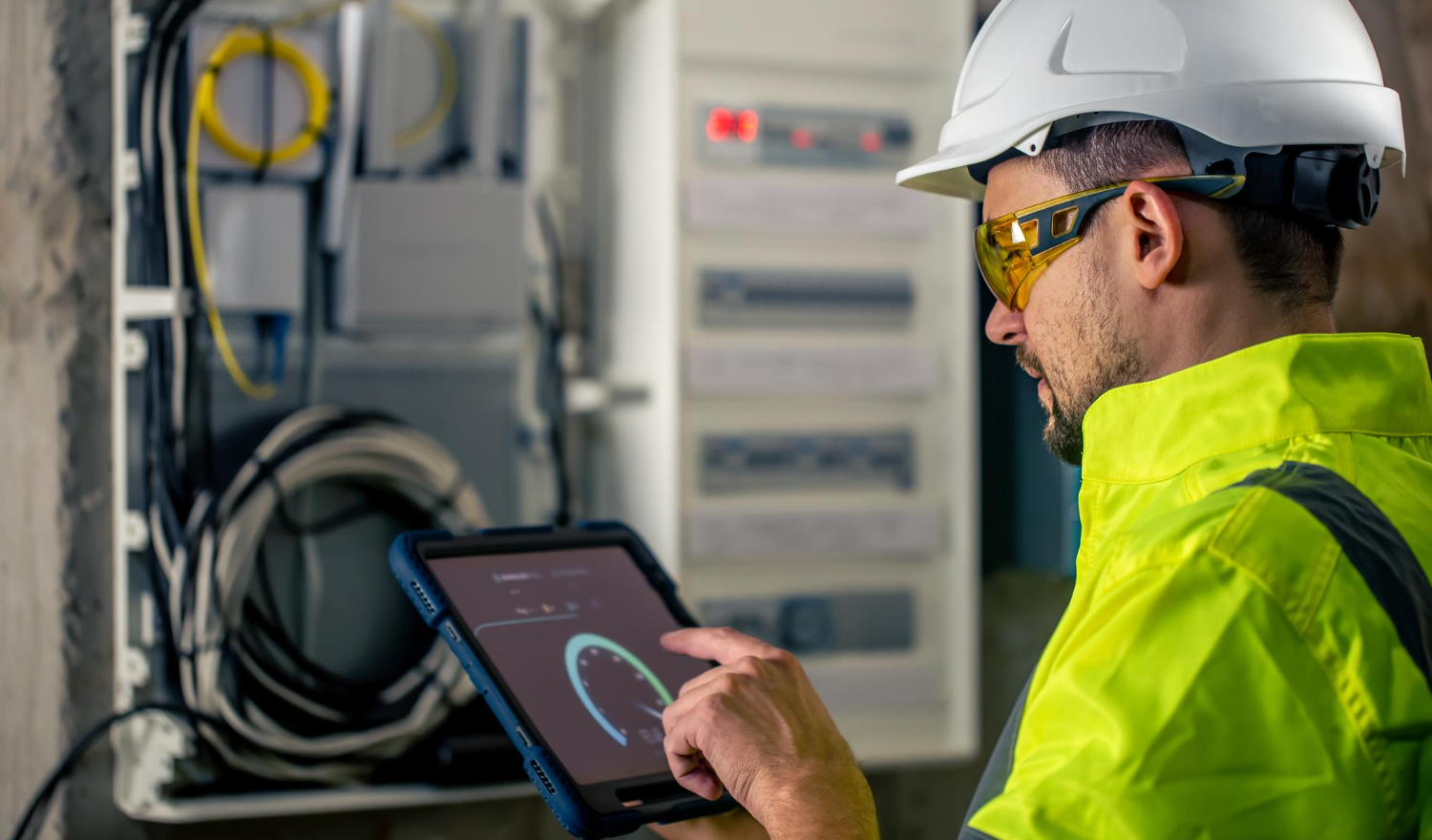
Data technicians collect, validate, and organize data from manufacturing equipment, sensors, and systems for analysis. They work with databases, Python scripting, and business intelligence platforms to identify production trends, anticipate equipment failures, and optimize efficiency. This role bridges IT and operations.
Data roles in manufacturing are exploding. Industry 4.0 adoption (the digital transformation of manufacturing), predictive maintenance initiatives (using data to prevent equipment failures), and AI-driven optimization are creating massive demand. Technicians who can wrangle machine data and feed it to engineers are in urgent demand.
Entry requirements: Data technician roles typically require high school diploma plus technical training in SQL, Python, or a data analytics platform like Tableau. Some employers look for MSSC CPT (Certified Production Technician) as a baseline. The Data Analyst Technician course offers hands-on training aligned with employer needs.
Salary range: Data technicians in manufacturing earn $45K to $65K annually, with cloud or big-data specialists commanding higher wages.
Electronics technicians test, troubleshoot, and repair semiconductor manufacturing equipment, circuit boards, and electronic assemblies. Semiconductor fab technicians work in ultra-clean environments under strict protocols, monitoring yield, troubleshooting equipment, and performing preventive maintenance. The role demands precision and contamination control (or you risk ruining millions in silicon).
Semiconductor manufacturing is booming in the U.S. due to CHIPS Act incentives and supply chain reshoring. Demand for fab technicians is at an all-time high. BLS data on precision instrument technicians reflects this strength through 2034.
Entry requirements: High school diploma is baseline. Semiconductor manufacturers often prefer or require SACA (Smart Automation Certification Alliance) or vendor-specific certifications (Intel, TSMC, Samsung offer training), clean-room safety certification, and some math and science background.
Salary range: Semiconductor fab technicians earn $50K to $75K annually, often with premium pay for high-volume fabs and night shift work.
Maintenance technicians keep factories running by repairing and servicing machinery, conveyors, hydraulic systems, pneumatics, and electrical components. They read blueprints, use hand and power tools, and diagnose problems using multimeters and pressure gauges. Preventive maintenance is a core responsibility.
Industrial maintenance is foundational demand. Every manufacturing, food processing, and utility operation requires maintenance technicians. The BLS reflects consistent, above-average growth in this occupation through 2034.
Entry requirements: High school diploma plus vocational training (NCCER maintenance modules or apprenticeship) is typical. Some employers hire on-the-job learners and support certifications over time.
Salary range: Industrial maintenance technicians earn $40K to $60K annually, with lead technicians and predictive maintenance specialists earning higher.
Solar and wind technicians install, maintain, and repair renewable energy systems. Solar technicians work on rooftops and ground arrays, handling photovoltaic panels, inverters, and electrical connections. Wind technicians climb towers and service massive turbines (100+ feet tall). Both roles are outdoor and hands-on.
Renewable energy is the fastest-growing segment of the technician labor market. Solar installations are booming across the U.S., driven by incentives and falling panel costs. Wind technician demand is strong in Great Plains and coastal states. This field will likely see double-digit annual growth through 2034.
Entry requirements: High school diploma plus trade training in solar installation (NATE or NABCEP programs) or wind technician certification. OSHA 30 for fall protection and electrical safety is common.
Salary range: Renewable energy technicians earn $45K to $70K annually, with wind turbine technicians on the higher end due to hazard pay.

Telecom technicians install and repair fiber-optic cables, 5G infrastructure, cell tower equipment, and broadband networks. They splice cables, test signal strength, and troubleshoot network outages. The role combines outdoor fieldwork with technical diagnostics.
Telecom is evolving rapidly. 5G rollout, rural broadband expansion, and fiber-to-the-home projects are creating demand for technicians who understand optical networks and wireless infrastructure. The BLS projects steady demand in communications equipment operation and repair through 2034.
Entry requirements: High school diploma plus specialized telecom training (vendor certifications from Corning, CommScope, or equipment manufacturers). OSHA training and a valid driver's license are standard.
Salary range: Telecom technicians earn $42K to $62K annually, with specialization in 5G or fiber splicing commanding premium wages.
Aerospace technicians repair and maintain aircraft engines, landing gear, hydraulics, and avionics systems. The work is safety-critical and heavily regulated by the FAA. Airlines, aircraft manufacturers, and military depots all employ technicians. Precision, documentation, and compliance are non-negotiable.
Aerospace manufacturing and maintenance is a stable, high-skill field. The aviation industry is recovering strongly, and aircraft orders remain strong. Technician demand in aerospace is expected to remain solid through 2034, particularly at manufacturers and cargo carriers.
Entry requirements: FAA certification (Airframe & Powerplant, or A&P) is mandatory for licensed work. High school diploma plus 1,800+ hours of training (often via FAA-approved schools) is the standard pathway.
Salary range: Aerospace technicians earn $50K to $75K annually, with lead technicians and specialists earning higher, especially at manufacturers.





You don't need years of university or six-figure debt to earn $40K to $75K annually. The right technician specialization can put you on a payroll within months. HVAC, electrical, industrial maintenance, and data technician roles all offer short timelines and immediate job security. Start by identifying which specialization aligns with your interests and region. Explore technician roles and demand data at Technicians of America, then find training through Unmudl's course marketplace.