.svg)
.svg)
About the Author: Sarah Chen | Automotive Career Pathways Educator | 15+ years as an automotive technician and technical training specialist
Want to know what automotive technicians actually earn, where jobs are concentrated, and how to break into the field? You've landed in the right place. Automotive technicians keep America's vehicles running safely and efficiently. The work has transformed dramatically over the past decade, especially with the rise of hybrid and electric vehicles. Today's technicians work with hybrid engines, electric powertrains, advanced diagnostic equipment, and complex computer systems. Whether you're considering your first career move or switching fields, understanding the automotive technician landscape matters.
This guide covers real salary data, the auto technician career specializations driving demand, where employers are actively hiring, and proven pathways to get started. The good news: automotive technician salary has grown faster than most people realize, especially for specialists who understand hybrid and EV systems. Unmudl offers training designed for working adults who want to advance their careers without pausing their lives.
Automotive technicians diagnose and repair vehicle systems including engines, transmissions, brakes, electrical systems, and climate control. They use specialized diagnostic tools, perform hands-on repairs, and update their knowledge constantly as vehicle technology evolves.
Entry-level technicians with 0 to 3 years of experience typically earn between $28,000 and $38,000 annually. Mid-career technicians with 3 to 7 years of hands-on work earn $45,000 to $65,000. Experienced technicians with recognized specializations often reach $70,000 to $85,000, especially in high-cost metro areas. Some high-performing flat-rate technicians (paid per job completed rather than hourly) at busy dealerships exceed $90,000.
| Technician Level | Experience | Salary Range |
|---|---|---|
| Entry-level | 0-3 years | $28,000–$38,000 |
| Mid-career | 3-7 years | $45,000–$65,000 |
| Experienced | 7+ years | $70,000–$85,000 |
| Specialists (diagnostic, hybrid, EV) | 5+ years | $75,000–$95,000 |
Several factors shape automotive technician salary across the country. Geographic location matters significantly. Technicians in California, New York, and the Northeast earn 15 to 25 percent more than technicians in the South and Midwest. Employer type also affects pay. Dealerships typically pay more than independent shops, though independent shops often offer scheduling flexibility and customer interaction. The biggest factor? Specialization. A diagnostic technician commanding $65,000 might earn $15,000 to $20,000 more annually than a general technician doing routine maintenance and tire rotations.
Hybrid and electric vehicle expertise creates premium positions. As EV adoption accelerates across the market, technicians certified in hybrid systems command wages 20 to 30 percent higher than baseline technician rates. Technicians certified in EV-specific diagnostics see similar or greater premiums. Fleet maintenance roles offer remarkable stability and comprehensive benefits, though they may cap hourly rates below dealership work. Shop ownership is also a real option: many successful technicians transition from hands-on work to running their own shops by mid-career, ultimately controlling their income completely.
The wage trend is encouraging. Technician wages rose 3.5 percent annually over the past five years, outpacing general wage growth across most industries. Cost of living in your region shapes real earnings power, but the baseline is clear. This isn't entry-level wage territory anymore. You can realistically build a solid middle-class career as an automotive technician. Learn about automotive technician specializations and the training paths that help you reach higher pay brackets.
Not all automotive technician jobs are created equal. Specializations drive demand, career progression, and earning potential. Understanding these roles helps you identify which direction fits your interests and ambitions.
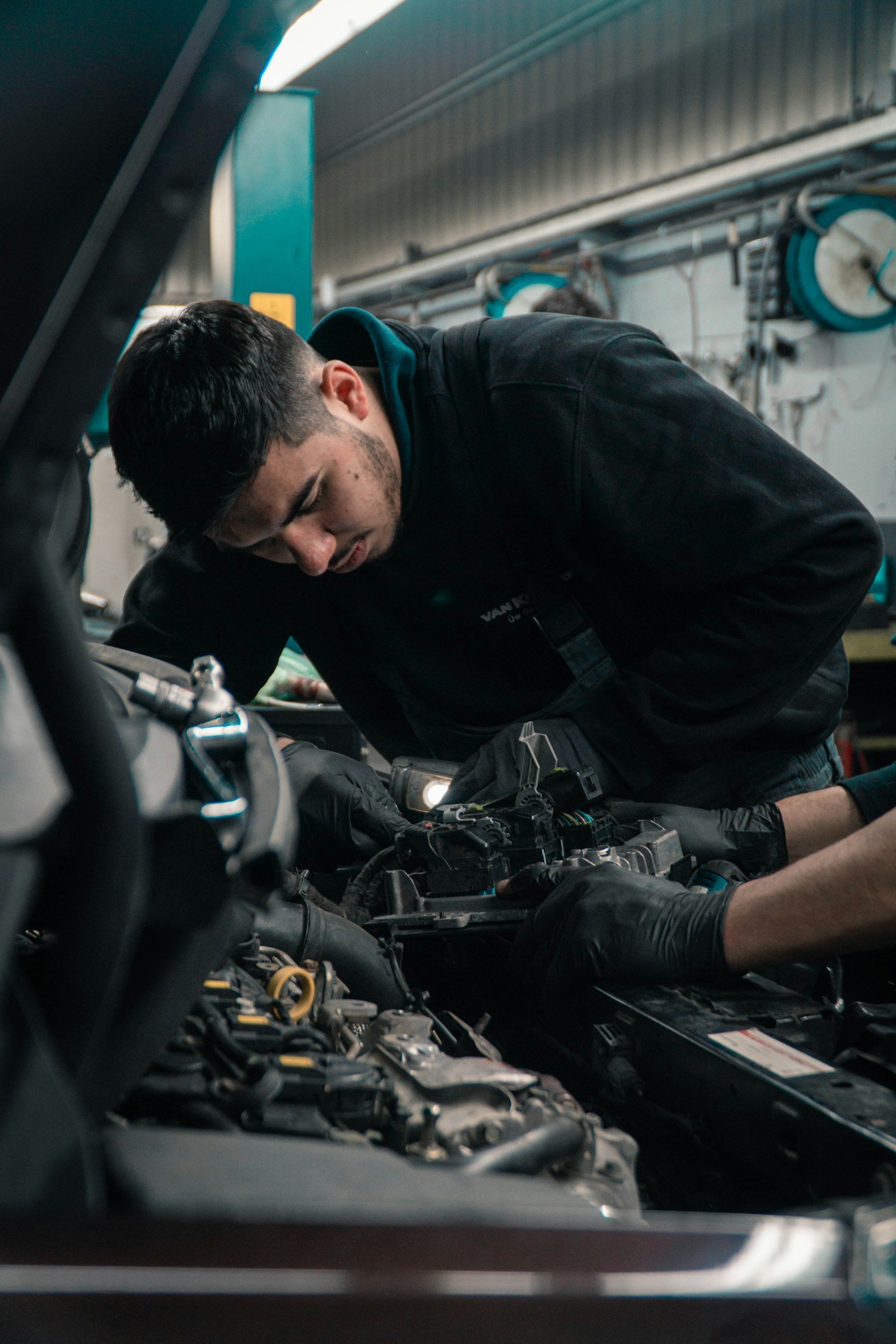
Diagnostic technicians are the detectives of the automotive shop. They use scan tools (computerized devices that read vehicle error codes) and oscilloscopes (instruments that measure electrical signals) to pinpoint why a vehicle isn't running correctly. This role requires deep systems knowledge spanning electrical, fuel, cooling, transmission, and hybrid systems. Diagnostic technicians earn $55,000 to $75,000 annually because shops depend on their expertise to solve complex problems that stumped other technicians. Training typically takes 12 to 24 months beyond basic technician skills. Explore diagnostic technician training options.
Hybrid technicians occupy the bridge between combustion and electric powertrains. They work on battery systems, regenerative braking (which captures energy when slowing or descending), electric motors, and hybrid-specific diagnostic procedures. These professionals need to understand how a gasoline engine and electric motor work together seamlessly. As hybrid adoption reaches 15 percent of new vehicle sales, demand for hybrid technician skills has spiked dramatically. Starting pay for hybrid technician specialists is $50,000 to $60,000, climbing to $70,000 and beyond with experience. This specialization is remarkably future-proof.
Transmission technicians specialize in one of the vehicle's most complex systems. Whether automatic, manual, CVT (continuously variable transmission), or specialized hybrid transmissions, they rebuild, repair, and diagnose transmission issues. These technicians understand hydraulics, electronics, and mechanical systems simultaneously. Transmission technician jobs are concentrated in larger shops and dealerships where volume justifies a specialist. Salaries range from $48,000 to $72,000 depending on experience and employer type.
EV technicians are the newest and fastest-growing specialization on the market. Electric vehicle systems, battery management systems (electronic controls that monitor cell health and performance), high-voltage safety protocols, and EV-specific diagnostics require distinct training separate from traditional combustion engine knowledge. As EV sales grow, demand for trained EV technicians vastly outpaces available supply. Current EV specialists earn $60,000 to $85,000, with clear room to grow as the market matures. Explore EV technician training.
ASE-certified technicians (Automotive Service Excellence, a nationally recognized credential) hold the gold standard in the field. ASE certification demonstrates mastery across multiple vehicle systems and is now required by many dealerships. ASE certification requires passing rigorous exams and is worth the investment. Certified technicians earn 10 to 15 percent more than non-certified peers doing identical work. The certification process combines years of work experience with passing multiple exams.
The pattern is unmistakable: deeper expertise equals higher automotive technician salary, better job security, and natural advancement into shop management, training, or instructor roles. Specialization isn't optional if you want to reach the upper income ranges.
Automotive technician jobs aren't evenly distributed across the country. Some regions and employer types hire far more technicians than others. Understanding this landscape helps you make strategic career decisions.
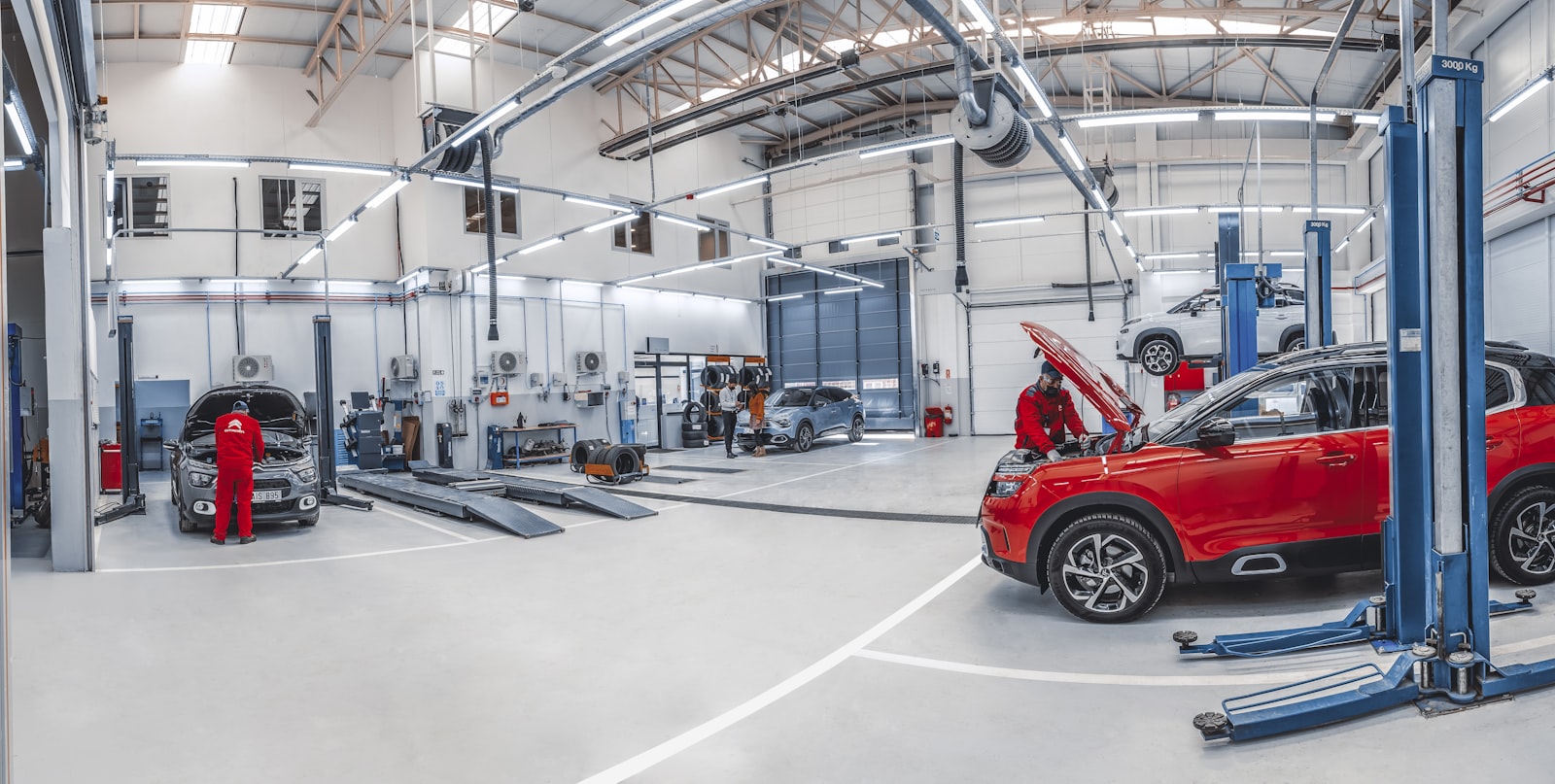
Dealerships employ roughly 40 percent of all automotive technicians nationwide. They offer structured training programs, benefits packages, and direct access to OEM (original equipment manufacturer) resources and factory technical support. Dealership technicians work primarily on newer vehicles under warranty using manufacturer-specific diagnostic systems. The tradeoff is real: dealership work can be rigid, warranty repair pays less than customer-pay jobs, and technicians sometimes wait for service advisors to assign work. But dealerships provide steady paychecks, health insurance, retirement plans, and clear advancement pathways into foreman or service manager roles.
Independent repair shops employ approximately 30 percent of technicians and range from solo operators to shops with 15 or more technicians. You'll experience more variety, faster advancement, and direct customer contact. Pay can be higher if you're on flat-rate, but it's also more volatile. Independent shops value problem-solvers and generalists who can handle anything from oil changes to engine rebuilds. This path suits people who thrive in smaller, flexible environments with direct owner relationships.
Fleet maintenance facilities employ technicians who maintain company-owned vehicles including delivery vans, box trucks, and government fleets. Fleet work is predictable, routine, and exceptionally stable. You'll see the same vehicles repeatedly, which builds deep product knowledge and predictability. Pay is solid at $45,000 to $65,000, benefits are often excellent, and overtime is available when fleet demands spike. Fleet employers value reliability and systematic thinking above all else.
Franchise quick-service chains like Jiffy Lube and Firestone employ technicians for oil changes, tire service, and basic maintenance tasks. This is high-volume, lower-skill work ideal for exploring the industry. It's a solid entry-level exposure, but you'll likely cap out at $35,000 to $45,000 unless you move into management or open your own franchise.
Regional hotspots for automotive technician jobs include Southern California (high-volume dealerships and independent shops with premium wages), Texas (dealership growth in Austin, Dallas, and Houston), the Northeast (older vehicle population drives independent shop demand), and manufacturing corridors across Michigan, Ohio, and Indiana that support automotive supplier networks and fleet operations.
Research local labor market data before relocating. Some regions have acute technician shortages that bid up wages competitively, while others are oversupplied with technicians fighting for positions. Online job boards like Indeed, LinkedIn, and industry-specific sites show real-time demand in your target area.
You don't need a four-year degree to become an automotive technician. You need structured training, consistent hands-on experience, and industry certifications. Here's the realistic pathway to a professional career.
The reality: most automotive technicians don't follow one linear path. They might start in high school, work part-time as a lube technician, enroll in a community college program, apprentice at a shop, earn ASE certification, and then specialize. The key is starting anywhere and building momentum consistently.





You now understand the landscape clearly. Automotive technician jobs span from entry-level lube work to six-figure shop ownership and management positions. Salaries are solid and growing faster than many careers, especially for specialists. Demand outpaces supply in most regions, meaning job security is real and not threatened by automation. The barrier to entry isn't credentials or connections; it's deciding to invest in training and showing up ready to learn and improve daily.
Your pathway forward in your auto technician career depends on your current situation. If you're still in high school, take automotive courses now. If you're a career changer, pursue focused training that lets you earn quickly. If you're an incumbent technician wanting advancement, specialization in hybrid, diagnostic, or EV systems unlocks your next raise and better positions. The automotive technician field rewards specialization, problem-solving ability, and continuous learning.
Your first step is getting structured training from a provider who understands automotive industry demands and employer expectations. Start exploring automotive technician training options at Unmudl, where you'll find programs designed for your situation, whether you're launching your first career or advancing into a specialization.