.svg)
.svg)
Your washing machine breaks down on a Sunday. The AC stops working in summer heat. A business’s refrigeration unit fails. These crises call a service technician. If you’re considering a technician career, you’ve found a field where your skills are genuinely needed. Service technicians repair, maintain, and install complex equipment across homes and businesses. They’re the skilled workers who keep systems running smoothly. From HVAC (heating, ventilation, and air conditioning) units to commercial appliances and industrial equipment, service technicians solve problems that matter to families and companies every day. The field offers solid pay, hands-on work, and consistent job demand. Whether you’re starting fresh or transitioning careers, becoming a service technician is achievable with the right training. Many people earn industry certifications in weeks to months, not years. Unmudl offers hands-on training programs designed to get you job-ready fast.
A service technician is a skilled professional who diagnoses, repairs, and maintains complex equipment in residential, commercial, and industrial settings. These professionals work with systems like HVAC units, appliances, and industrial machinery, using specialized tools and technical knowledge to solve problems efficiently and safely. Service technician careers span multiple specializations, each requiring specific certifications and expertise.
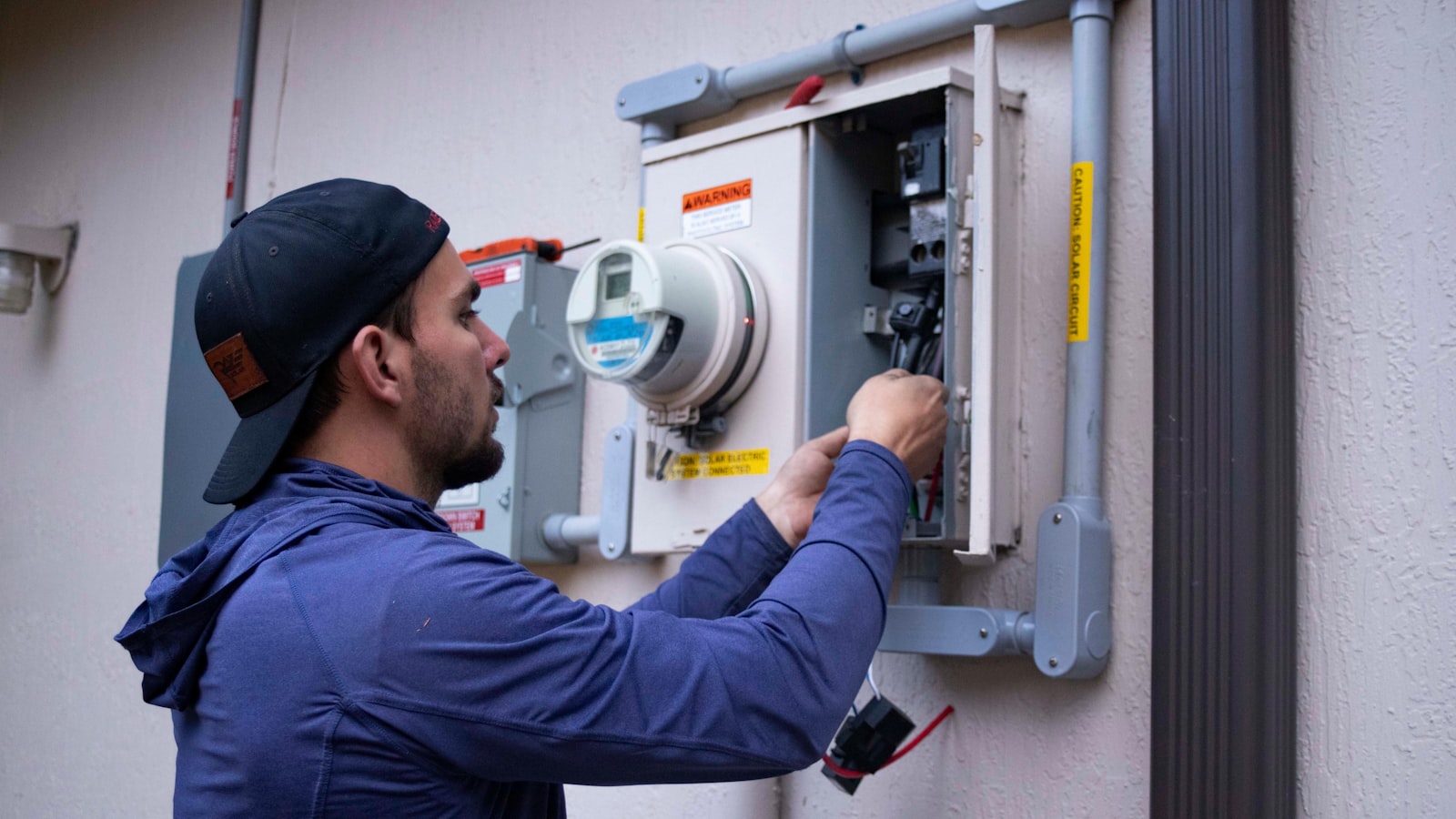
Service technicians are problem solvers who work with complex equipment. Your day typically includes arriving at a customer’s home or business, diagnosing why a system isn’t working, and ordering parts if needed. You’ll then repair or replace components, test equipment, and explain what was wrong to the customer. You’ll use diagnostic tools, hand tools, and sometimes specialized software. The work is hands-on and varied, which appeals to people who like solving real problems.
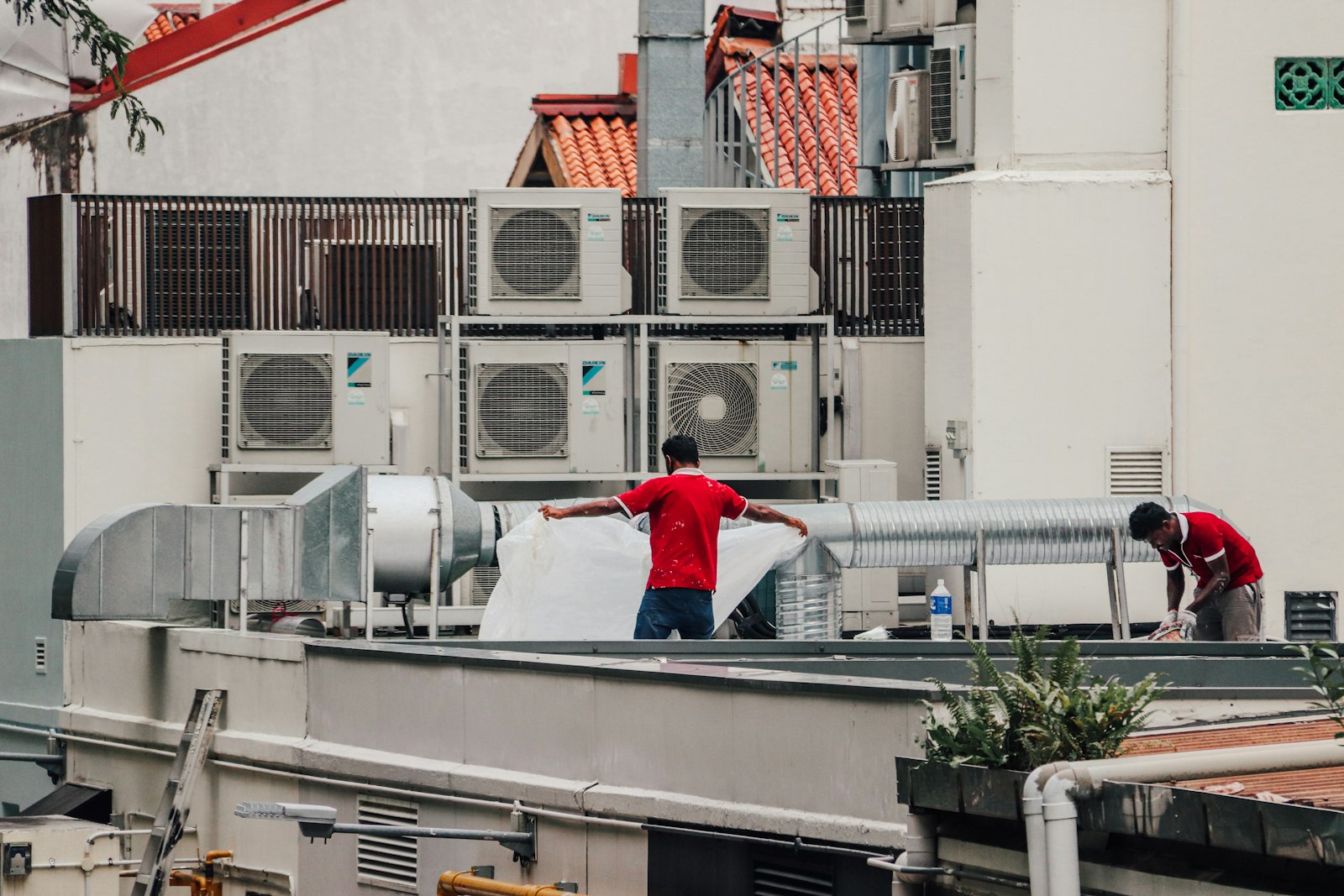
An HVAC service technician focuses on heating and cooling systems in homes and commercial buildings. These professionals handle routine maintenance, emergency repairs, and new system installations. Appliance repair technicians fix refrigerators, washers, dryers, ovens, and dishwashers in residential and commercial settings. Field service technician work often involves traveling to customer locations or job sites to service equipment like generators, industrial pumps, and commercial machinery. Equipment technician specialists might focus on medical devices, copiers, factory machinery, or highly specialized commercial systems. Some service technicians eventually become supervisors, trainers, or move into sales roles. The foundation, though, is mastering technical skills. Learn more about specific technician roles and find a path that matches your interests and strengths.
Understanding earning potential is critical when considering service technician jobs. A service technician salary depends on experience, specialization, location, and certifications. Here’s what you can expect across different levels and specializations:
| Experience Level | Annual Salary Range |
|---|---|
| Entry-level (0–2 years) | $28,000–$35,000 |
| Mid-career (3–7 years) | $40,000–$55,000 |
| Experienced (8+ years) | $55,000–$70,000+ |
Different specializations command different pay rates. HVAC technician salary tends to be at the higher end because their specialized certifications, emergency call-out availability, and technical complexity command premium pay. Experienced HVAC technicians typically earn between $45,000 and $75,000 annually, depending on location and employer size.
Appliance repair technicians can earn competitive salaries, especially those who build independent businesses or work for larger service companies. Typical earnings range from $30,000 to $60,000 annually. The field rewards specialization; technicians who master high-end appliance repair often earn more.
Equipment technician positions in industrial settings often rank at the higher end of the pay scale. Industrial equipment technicians typically earn $40,000 to $75,000+ annually, depending on equipment complexity and industry sector. Specialized equipment technicians in pharmaceuticals or semiconductor manufacturing can earn even higher.
Location plays a significant role in earnings. Technicians in urban areas and regions with higher costs of living typically earn 15-30% more than those in rural areas. Metropolitan areas on both coasts consistently pay more than smaller cities. Some regions with extreme weather patterns, like the Sun Belt, have year-round demand for HVAC service technician positions, supporting higher average wages.
Your income depends on whether you work for a company (steady paychecks) or independently (higher upside, more variability). Many service technicians supplement income with overtime, emergency call-outs, or weekend work. Companies often offer bonuses for certifications or customer satisfaction metrics, adding hundreds to thousands of dollars annually to your base pay.
Starting independently as a field service technician or appliance repair technician involves more risk initially but can lead to higher long-term earnings. Many successful independent technicians earn $75,000 to $100,000+ annually after building a customer base and reputation.
To maximize earning potential, pursue additional certifications after your initial training, develop specialized skills, and build strong customer relationships. Consider opportunities with larger employers that offer advancement paths or starting your own business once you have experience. Unmudl’s training programs help you earn industry certifications that directly boost your marketability and pay.

The path to becoming a service technician is straightforward and faster than many careers. Most service technicians follow these steps:
Formal training covers both theory and hands-on practice. You’ll learn how equipment works, safety protocols, diagnostic procedures, and repair techniques. Some people learn through apprenticeships, which combine classroom instruction with paid on-the-job training.
High school programs, community colleges, and specialized training providers all offer pathways into service technician work. The best programs include hands-on labs where you practice on actual equipment, not just simulations. They also prepare you for certifications employers actually seek.
Different programs emphasize different specializations. Some focus specifically on HVAC service technician training, while others cover multiple specializations. When choosing a program, look for one that aligns with your career goals and includes comprehensive certification preparation. Community colleges often offer affordable options while maintaining high-quality instruction.
Certification requirements vary by specialization and region. HVAC technicians typically need EPA Section 608 certification and often pursue HVAC-specific certifications from organizations like NATE (North American Technician Excellence). Appliance technicians might pursue manufacturer-specific certifications. Equipment technician roles may require specialized certifications depending on the equipment type. Your training program should prepare you for the certifications that employers in your area actually seek.
Starting salary is lower than experienced technicians, but the investment in training pays off quickly. Many service technicians work their first job while continuing to earn certifications and building expertise. The field rewards continuous learning because equipment evolves and systems become more sophisticated. Get started with structured training designed for working adults that gets you job-ready in weeks, not years.
While the title “service technician” covers a broad field, specific specializations offer different opportunities, challenges, and earning potential.
HVAC service technician positions represent one of the largest and most lucrative segments of the service technician workforce. These professionals diagnose and repair heating, cooling, and ventilation systems in residential and commercial settings. HVAC work is particularly strong in markets with extreme weather conditions. Your skills directly affect customer comfort and safety, making this specialization highly valued. HVAC technician salary rewards technical expertise and customer service skills.
Appliance repair technician careers offer flexibility and diverse work environments. You might work for large service companies, appliance retailers, or start your own business. This specialization remains stable because appliances are essential household items and expensive to replace. Appliance repair technicians often develop loyal customer bases and can build thriving independent businesses.
Field service technician work often involves traveling to customer sites or job locations to service equipment. This might include generators, industrial pumps, commercial HVAC systems, or specialized machinery. Field service technician positions appeal to people who enjoy variety and working in different environments. The travel aspect of this work can increase earning potential through travel allowances and overtime opportunities.
Equipment technician roles can be highly specialized, focusing on specific industries like medical device manufacturing, industrial automation, or commercial kitchen equipment. These positions often offer higher pay due to the specialized knowledge required. Equipment technician careers in growing industries like renewable energy or advanced manufacturing offer particularly strong growth prospects.
Service technicians are in high demand across the country right now. Several trends fuel this consistent need:
Different regions have different needs. Sunbelt states with hot climates need year-round HVAC service. Northern regions with cold winters need heating equipment maintenance and seasonal HVAC support. Every region needs appliance repair. Industrial areas need equipment maintenance specialists. This geographic diversity means service technician jobs exist in virtually every part of the country, offering opportunities regardless of location.
According to labor market data, the job market for service technicians is expected to remain strong through 2030 and beyond. The need for skilled repairs keeps growing while the supply of trained technicians hasn’t kept pace. This gap between supply and demand means job security and good pay. The work can’t be outsourced, and demand won’t disappear due to automation.
Employers actively recruit skilled technicians. Many service technician jobs offer benefits like health insurance, paid time off, and tool allowances. Some employers offer tuition assistance for continuing certifications or vehicle allowances. The field also appeals to people who like autonomy and independence. Many service technicians eventually start their own businesses, building profitable enterprises based on their technical skills and customer relationships.





Service technician careers offer solid salaries, strong job security, and the satisfaction of solving real problems. Whether you’re drawn to HVAC work, appliance repair, industrial equipment maintenance, or another specialty, a clear pathway exists. You don’t need years of college or massive debt. You need quality training that teaches both theory and hands-on skills, leading to recognized certifications.
The right program is your entry point into a stable career. Technicians of America connects you to role visibility, salary data, regional opportunities, and training options. When you’re ready to move from interest to action, explore training programs at Unmudl to get from zero experience to job-ready in weeks. Start exploring your specialization today.