.svg)
.svg)
If you've walked through a modern manufacturing plant or fulfillment center, you've seen the problem: robots jam unexpectedly, conveyor systems halt for hours, and automated equipment breaks down with no one able to fix it quickly. The issue isn't the machines themselves. It's that too few people understand how to maintain integrated systems. These failures aren't purely mechanical, electrical, or software problems. They're all three at once.
That's where mechatronics comes in.
Mechatronics is the field that bridges mechanical systems, electrical circuits, and automation logic into one skillset. A mechatronics technician diagnoses and fixes machines where all three layers work together. They're in high demand across manufacturing, warehouse automation, food processing, and advanced facilities. The Bureau of Labor Statistics tracks industrial maintenance roles growing through 2034. Training timelines are measured in months, not years. If you're considering a technical career without a four-year degree, this is one of the fastest paths to solid income.
On Technicians of America™, explore technician roles, wages, and where employers are actively hiring in your region.
Mechatronics is the engineering discipline that combines mechanical systems, electrical components, and computer automation. A mechatronics technician keeps those systems running when they break.
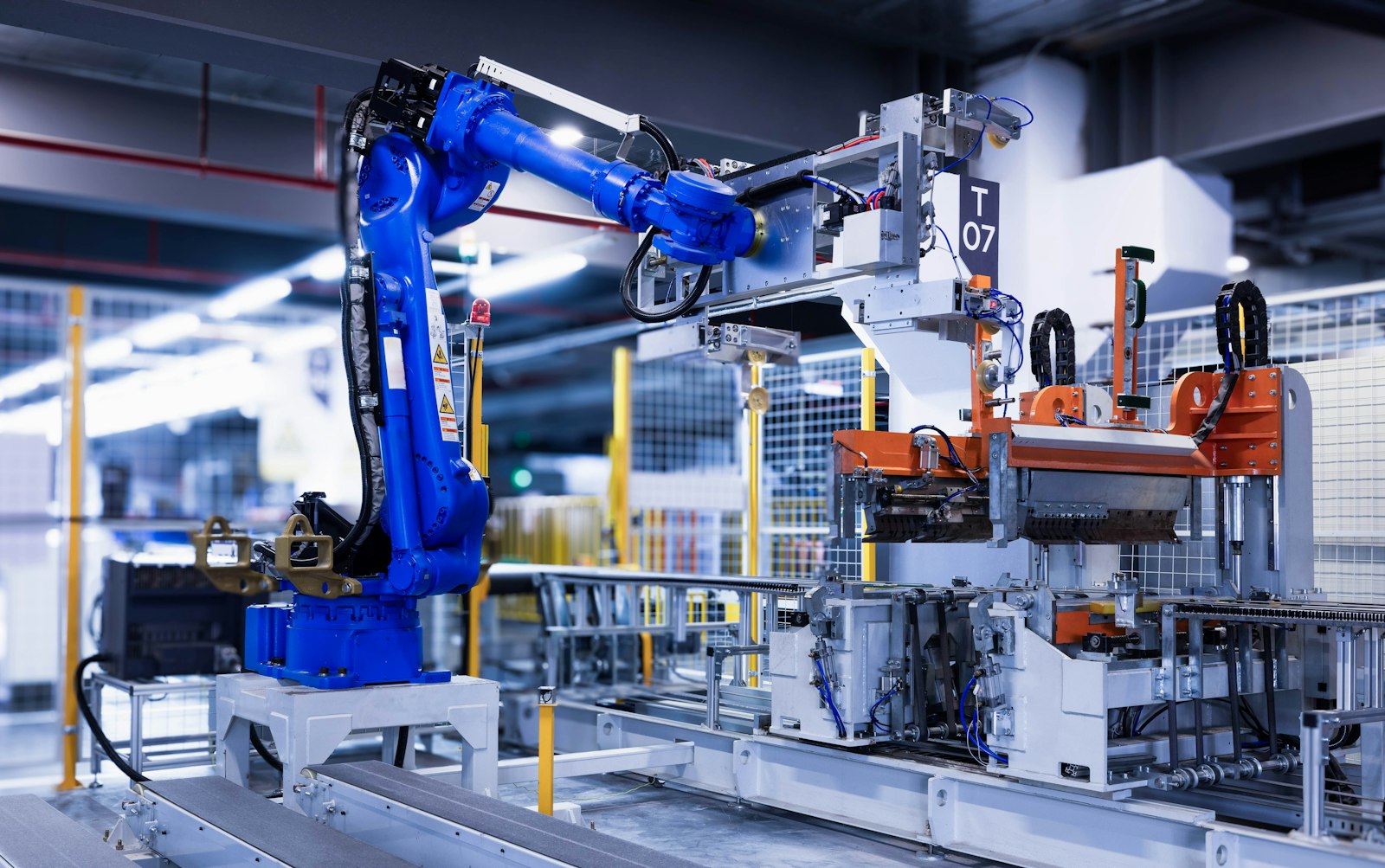
Mechatronics technicians diagnose, repair, and maintain machines where mechanical systems (hydraulics, gears, bearings), electrical circuits (motors, sensors, power), and automation code (PLC, software) work together as one system. Consider a robot arm on a packaging line: if the mechanical joints jam, the electrical control fails, or the software logic breaks, the whole line stops. Techs need working knowledge of all three to restore operations.
The field sits at the intersection of three engineering domains: mechanical engineering, electrical engineering, and software engineering. You don't need a degree in all three. You need practical understanding of how all three work together.
Every mechatronics system has three layers working together. Understanding each one shows why the field is so valuable.
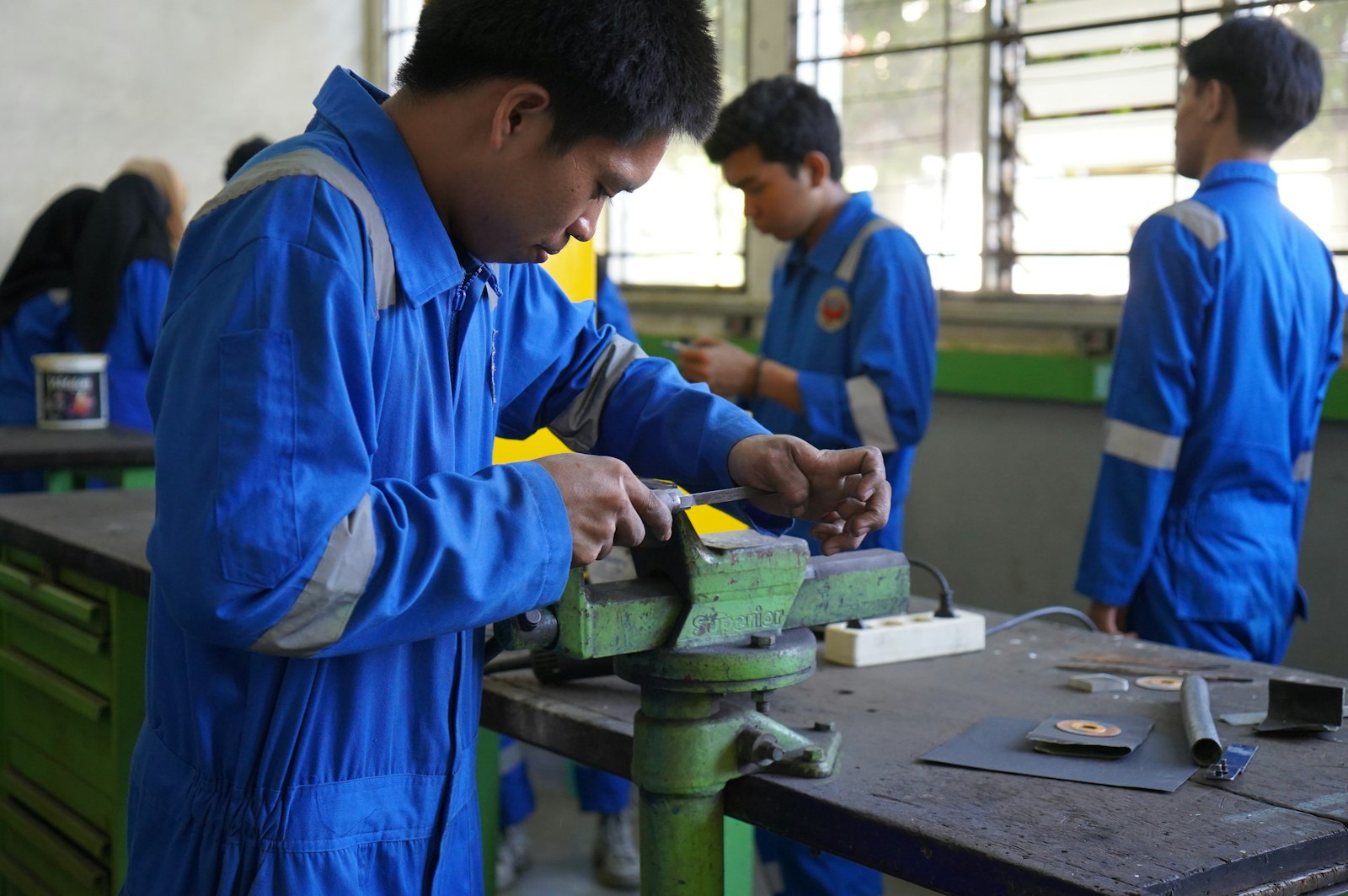
Mechanical systems and motion control is the first layer. This includes motors, gears, bearings, hydraulic cylinders, conveyor belts, and chains. It's the part you can touch and measure. A technician needs to know how these components work together, when they wear out, and how to replace or adjust them. If a bearing fails, the whole machine slows down or seizes. If a gear mesh wears, vibration climbs and the system eventually breaks. Technicians read blueprints, use calipers and gauges, and diagnose failures by sound and feel.
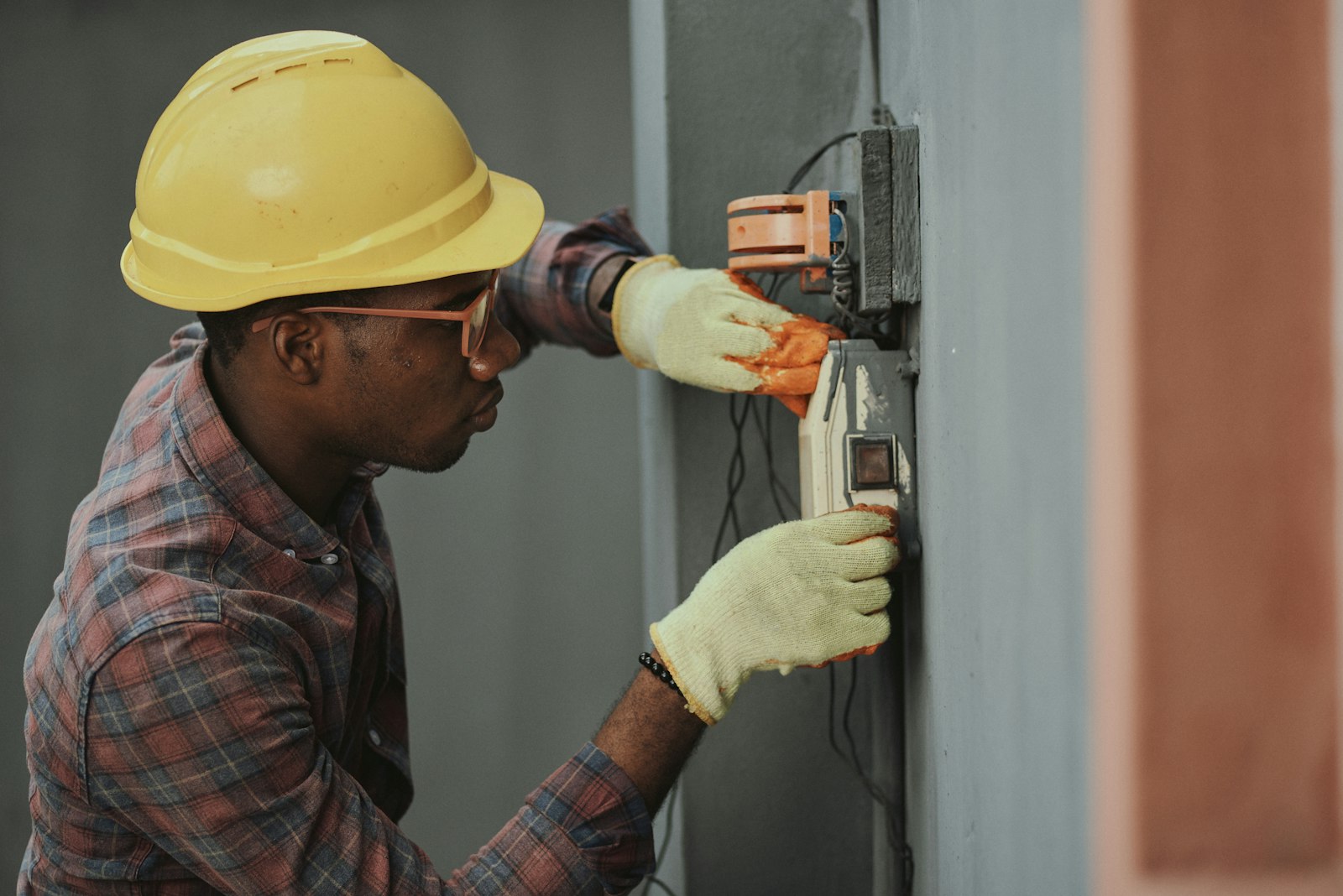
Electrical systems and power distribution is the second layer. It powers everything on the machine. Motors need the right voltage and phase sequence. Sensors detect position, temperature, pressure, and speed. Control circuits manage current flow. Many technicians spend time reading electrical schematics and using multimeters to test circuits. They work with variable frequency drives (VFDs), which control motor speed electronically. Understanding electrical safety and OSHA standards (like lockout-tagout procedures) is critical here.
Computing and automation logic is the third layer. Most modern machines run on a programmable logic controller (a PLC) or an industrial computer. These devices execute code that controls the sequence of operations. A technician doesn't always write code, but they read error messages, understand how logic flows, and sometimes adjust parameters. Increasingly, machines collect data for predictive maintenance (automatically detecting failures before they occur).
Walk a fulfillment center or advanced manufacturing facility today, and you'll find mechatronics technicians doing several kinds of work.
They troubleshoot when systems go down. A conveyor belt stops moving. A packaging robot isn't positioning correctly. A clean room's climate control is out of spec. The technician arrives, gathers symptoms from operators and error codes, isolates which of the three layers is faulty (mechanical, electrical, or logical), and fixes it. This might mean replacing a sensor, tightening a coupling, reprogramming a parameter, or ordering a new motor. The work is detective work, hands-on, and urgent.
They perform preventive maintenance. Technicians schedule regular inspections, replace filters and belts before they fail, calibrate sensors, and check electrical connections. Many facilities use computerized maintenance management systems (CMMS) to log these activities and predict when failure is likely. Predictive maintenance is now standard in advanced manufacturing, and that's where mechatronics skills shine.
They install and commission new equipment. When a facility gets a new automated line or a replacement system, technicians help set it up, test it, and train operators how to use it safely.
They test and troubleshoot electrical and control issues. This includes measuring voltage with a multimeter, tracing circuits via schematics, and adjusting PLC code via laptop.
The role is a mix of hands-on troubleshooting, preventive care, and light programming. It's concrete work. You're fixing things that are broken, and you see the results immediately.
Mechatronics technicians earn solid wages. The Bureau of Labor Statistics groups related roles under industrial machinery mechanics and maintenance technicians. These roles fall in the $50,000 to $70,000 annual range, depending on location, experience, and specialization. Some advancement into lead technician or supervisor roles can push earnings higher. Signing bonuses and overtime are common in facilities running 24-7 operations.
Job growth is strong. The BLS projects sustained demand for industrial maintenance skills through 2034. Automation is spreading across sectors, not shrinking. That means more robots, more sensors, more control systems, and more people needed to keep them running. Warehouse automation, driven partly by same-day delivery expectations, has created entire new facilities requiring round-the-clock maintenance staffing.
Regional variation matters. Manufacturing-heavy states like Ohio, Indiana, Texas, and Michigan have dense job markets for these skills. But advanced manufacturing is expanding into other regions too. Many states are investing in reshoring manufacturing, which creates local demand for technicians.
Employers struggle to fill these roles. Many technicians are aging toward retirement. Fewer young people are learning the trades. That's why wages are competitive and employers are willing to train promising candidates on the job.
You don't need a four-year degree to become a mechatronics technician. Most start with focused training plus on-the-job experience.
Foundational training is the first step. Many begin with an Introduction to Mechatronics course to build baseline knowledge across all three disciplines. This typically takes a few weeks and covers basic mechanical principles, electrical circuits, and automation concepts.
Specialized certification comes next. After foundational training, many pursue a focused path that integrates all three domains. A program might last weeks to several months depending on depth. Unmudl offers the Mechatronics and Robotics Maintenance course in online and in-person formats. It's designed for working adults and aligns with employer standards at companies like Amazon and Intel. The compressed timeline means you can start working months after enrolling, not years.
On-the-job training is where most real learning happens. Once hired, technicians spend months (sometimes a year) learning the specific systems at their employer. Each facility is unique. The general skills transfer, but the specific equipment varies. Employers typically mentor new hires closely because the work is critical to operations.
Credentials add value. Some roles value certifications like CMRP (Certified Maintenance and Reliability Professional) from SMRP, or manufacturer-specific certifications from Siemens or Schneider Electric. None of these are always required, but they increase earning potential and are taken seriously by larger employers. OSHA 10 or OSHA 30 safety certification is valuable. NCCER offers recognized maintenance certifications as well.
Most employers expect at least a high school diploma or GED. Some prefer math and science background, though many are willing to teach the fundamentals if you show aptitude and commitment.
The timeline is faster than you might think. You can go from no experience to job-ready in 2 to 6 months with focused training, depending on the program and your background. Then you start working, earning, and developing deeper expertise on the job.





If you're already working at Amazon, a large warehouse, or a manufacturing facility, your employer might offer tuition assistance for skill development.
Amazon Career Choice offers eligible employees up to $95 per month toward tuition. You can apply these funds to courses in high-demand fields like advanced manufacturing and automation. The Mechatronics and Robotics Maintenance program on Unmudl qualifies and is designed for working adults.
Here's how it typically works. You enroll in a program your employer approves. You complete the training while working your current job. You pass the course or earn the credential. Your employer reimburses the tuition. You then either advance into a maintenance or automation role at your current employer or take those skills to another manufacturer that's hiring.
This is a real pathway for people already in the workforce. You're not quitting your job to go back to school. You're building skills in parallel with work, getting paid while you learn, and your employer covers the cost.
Many facilities are actively recruiting people into maintenance roles. They know that technicians coming up through programs like this arrive with solid fundamentals and employer-specific training is much easier to provide than starting from zero. Start your journey with the Mechatronics training pathway today.