.svg)
America's energy future is built byTechnicians
Wind, solar, the grid, and power generation all run on skilled technicians. See where the work is, what it pays, and the fastest path in through Unmudl.

America's energy future depends on technicians
The U.S. Department of Energy's national laboratory system spans 17 national labs across the country, conducting breakthrough work in nuclear security, advanced energy, grid modernization, advanced manufacturing, fusion, cybersecurity, and scientific discovery. But these labs do not run on scientists alone. Behind every breakthrough is a large, often invisible workforce of technicians who build, install, maintain, calibrate, secure, and operate the systems that turn research into real-world deployment.
Technician roles powering DOE labs
Advanced Manufacturing & Fabrication
- CNC machinists
- Welders
- Additive manufacturing technicians
- Precision fabrication specialists
- Prototype assembly technicians
Electronics & Instrumentation
- Electronics technicians
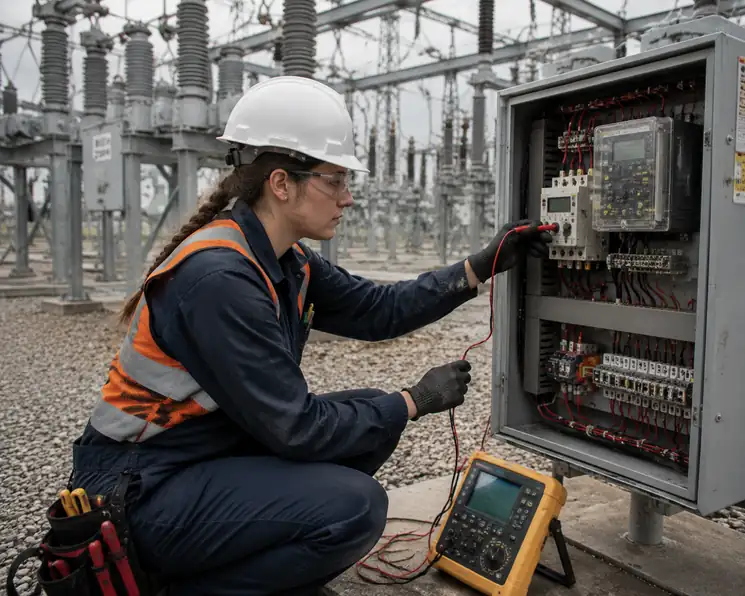
- Controls technicians
- Calibration specialists
- Metrology technicians
- Sensor and RF technicians
Nuclear Operations
- Nuclear maintenance technicians
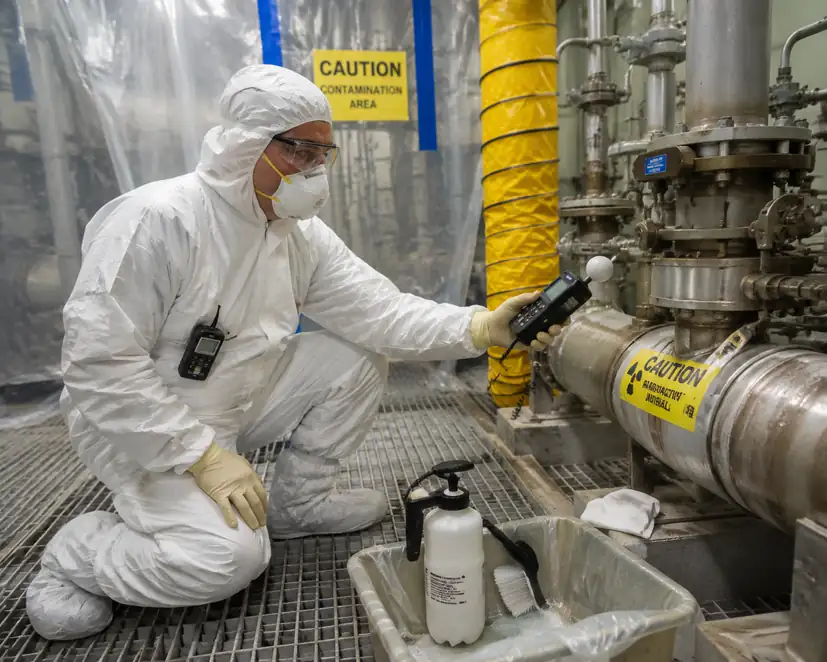
- Radiation control technicians
- Reactor technicians
- Decommissioning specialists
Energy Systems
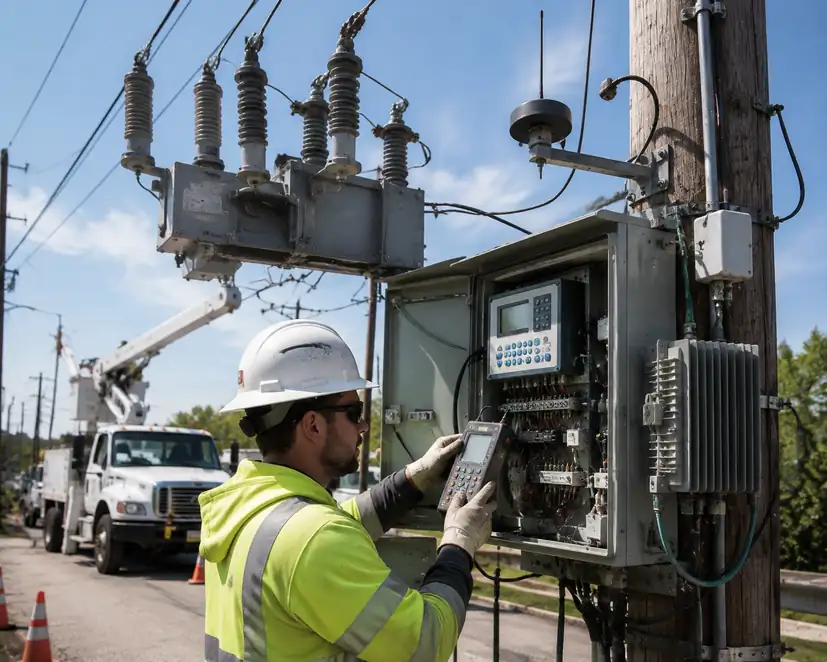
- Grid technicians
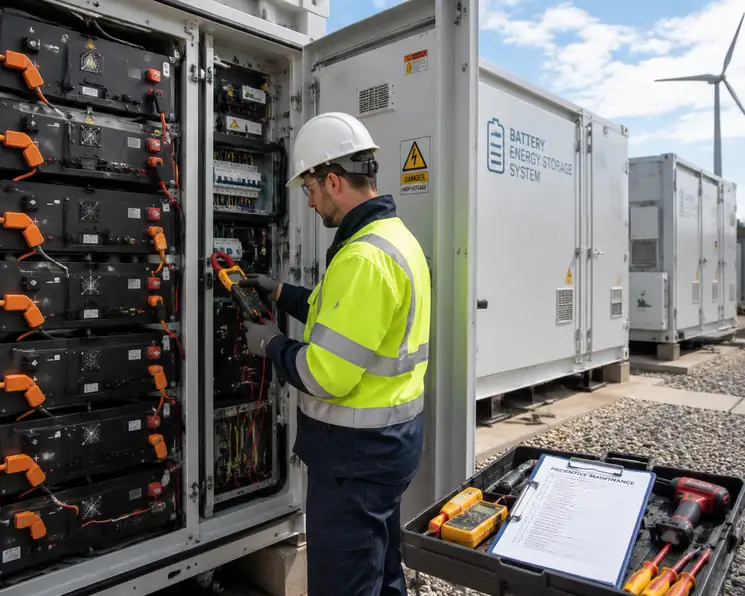
- Battery technicians
- Solar technicians
- Wind technicians
- Hydrogen systems technicians
Cyber & Digital Infrastructure
- Cybersecurity technicians
- Network technicians
- Systems infrastructure technicians
- Data center technicians
Facilities & Field Operations
- HVAC technicians
- Electricians
- Mechanical maintenance technicians
- Water systems technicians
From fusion labs and nuclear facilities to grid modernization and advanced manufacturing centers, technician demand is embedded across the national lab ecosystem. They are the workforce that enables nuclear modernization, grid resilience, semiconductor expansion, advanced manufacturing, clean energy deployment, and national security infrastructure. Without them, innovation stays in the lab. Innovation invents. Technicians deploy.
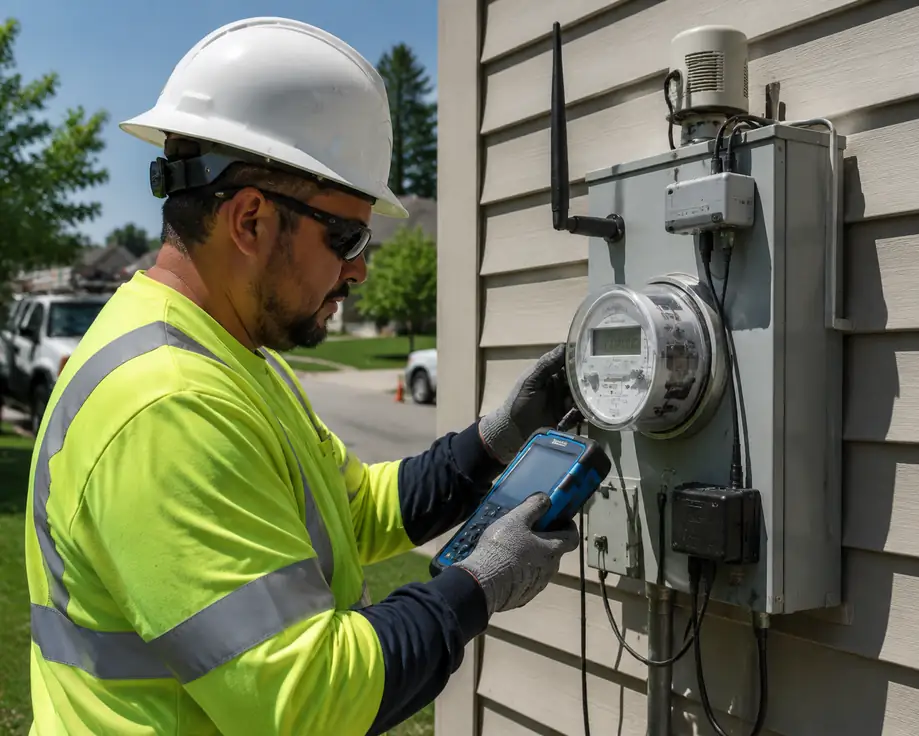
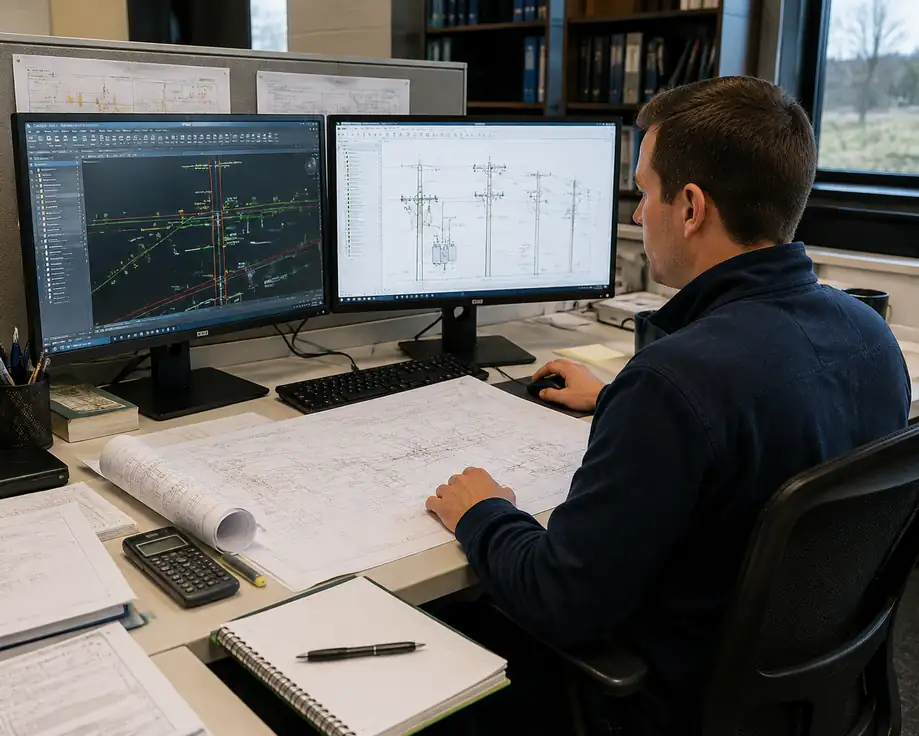
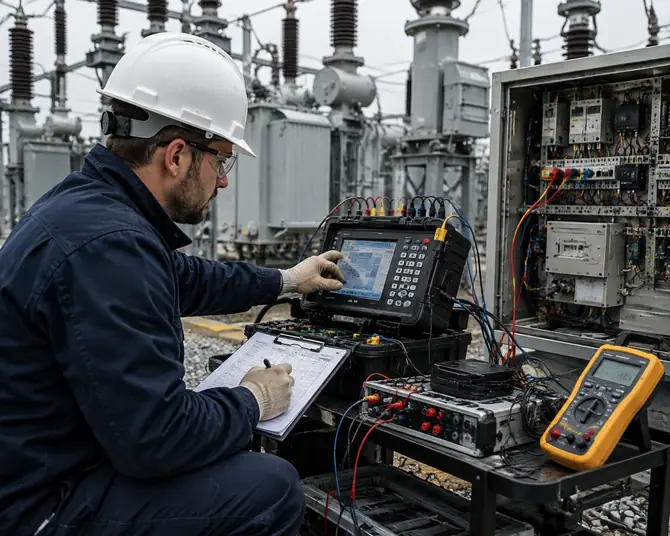
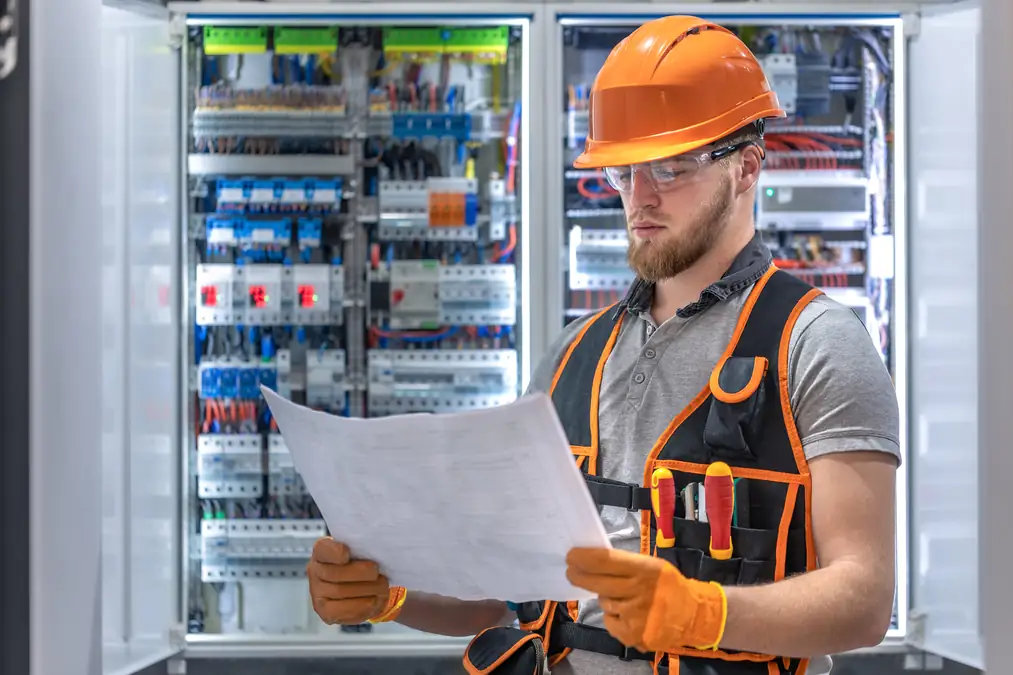
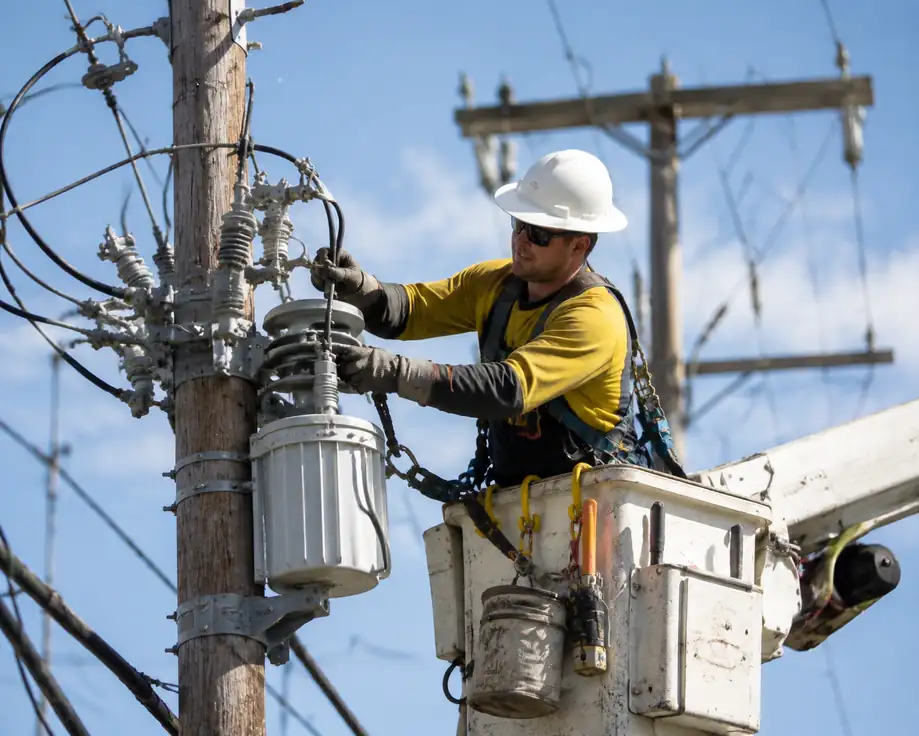
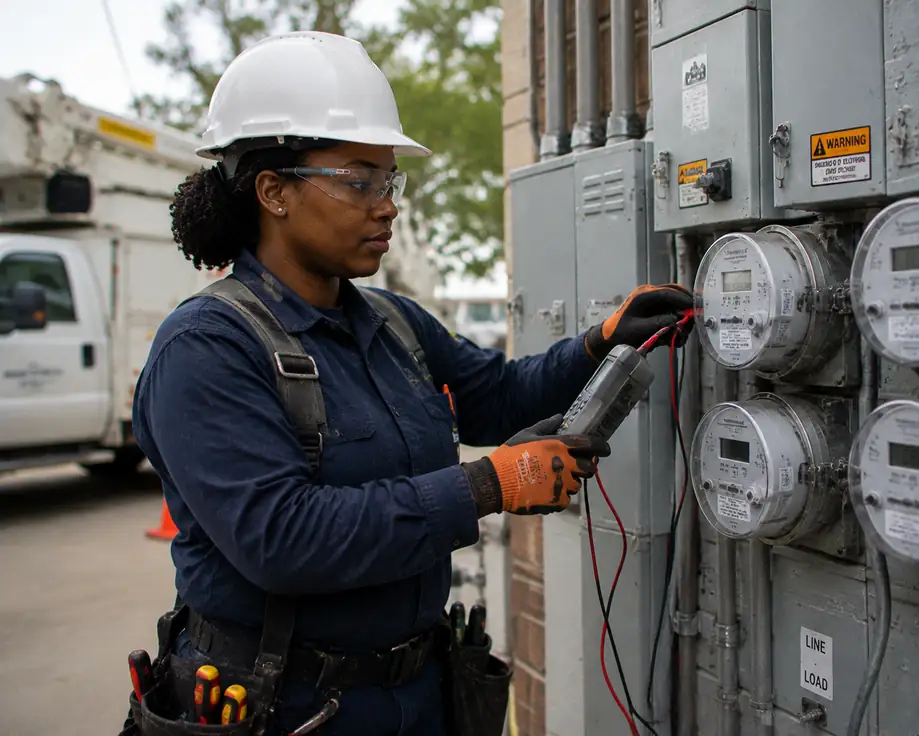
An energy technician installs, operates, and maintains the systems that generate and deliver power, including wind turbines, solar arrays, power plants, EV charging infrastructure, and the grid. It's hands-on work that typically pays $50,000–$110,000 and usually takes 6–18 months of training to enter.
Last reviewed June 2026 · National Technician Role Library- Typical pay$50k–$110k / yr
- Time to start6–18 months
- EducationNo 4-yr degree
- Active states26 (see map)
The people who keep the lights on
From wind farms and solar fields to power plants and the grid, energy technicians install and maintain the systems that generate and move power across the country.
Hands-on, well-paid work
Service turbines, solar systems, and generation equipment that power millions of homes.
Among the fastest-growing
Wind turbine service technician is one of the fastest-growing occupations tracked by BLS.
No four-year degree required
Most roles start with a certificate, short course, or apprenticeship.
States active for energy
Energy technician
careers
The roles energy employers hire for most, from the National Technician Role Library. Open any role for the full spec: pay, O*NET code, skills, training, and live jobs.


.webp)


Train for it.
Then get hired.
Everything you need to move into a technician role, powered by the Unmudl Skills-to-Jobs® Network.
Get job-ready
training
Short, hands-on courses and Skill Paths aligned to what employers actually hire for — built with colleges and industry.
Find jobs
hiring near you
Connect with employers hiring for technician roles at every level. Browse live openings on the Unmudl job board.
Energy careers,
explained
Quick, plain-language answers to the questions people ask before getting started
Ready to start your
technician journey?
Get matched with training, apprenticeships, and employers tailored to this role.